Jeremy Clarkson’s net worth and how much he’s paid for Clarkson’s Farm.
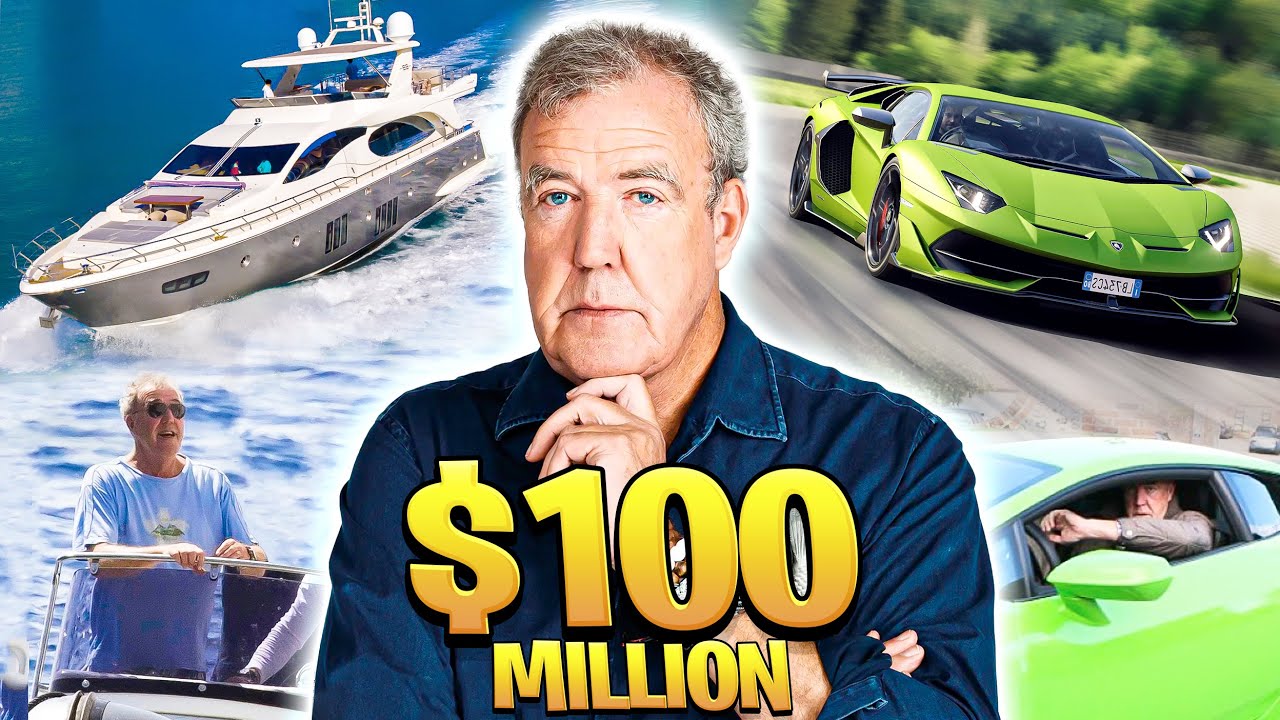
Jeremy Clarkson, the former Top Gear and Grand Tour presenter, has once again captured the public’s attention—not for his motoring antics, but for his role as a farmer on the Amazon Prime series Clarkson’s Farm. At 65, Clarkson returns to screens with the fourth series of the show on May 23, chronicling the challenges and occasional triumphs of managing Diddly Squat Farm, a sprawling 1,000-acre property in the Oxfordshire Cotswolds. Assisted by farm manager Kaleb Cooper, land agent Charlie Ireland, girlfriend Lisa Hogan, and newcomer Harriet Cowan, Clarkson balances the logistical demands of running a farm with the comedic and dramatic moments that have made the show a hit.
While Clarkson’s antics provide entertainment, the show has also illuminated the economic and practical realities of farming in the UK. From unpredictable weather to rising costs and strict council regulations, the challenges he faces are emblematic of the struggles encountered by farmers nationwide. However, Clarkson himself rarely feels the financial pressure, thanks to a multimillion-pound net worth accumulated over decades in broadcasting. His continued popularity ensures that money is often more a tool than a concern, allowing him to highlight the very real issues farmers face without endangering his livelihood.
The financial details behind Clarkson’s Farm underscore just how lucrative his ventures have become. While the farm itself generated a modest £144 profit in its first year, Clarkson’s earnings from the show are substantial. Though neither Clarkson nor Amazon Prime Video has officially confirmed his salary, various reports suggest he could have made as much as £200 million from the series to date. This figure represents the cumulative value from multiple series, with the fourth and fifth seasons promising additional revenue. Clarkson’s continuing draw on streaming platforms demonstrates the power of his personal brand, combining his television legacy with the appeal of unscripted, reality-based content.
Beyond Clarkson’s Farm, Jeremy Clarkson’s broader media career continues to contribute to his rising net worth, estimated at £55 million. Key to this wealth has been his work on Top Gear, The Grand Tour, and appearances on Who Wants to Be a Millionaire. Notably, his deal with Amazon Prime Video for The Grand Tour reportedly secured £160 million for 36 episodes alongside his former Top Gear co-presenters Richard Hammond and James May. This, combined with a recurring £10 million annual payout for the show, has reinforced Clarkson’s position as one of Britain’s wealthiest television personalities.
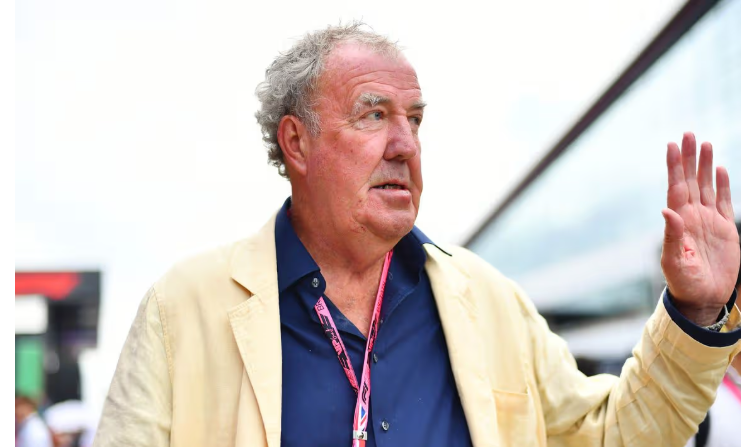
Despite this personal financial security, Clarkson’s approach on Diddly Squat Farm remains hands-on and often physically demanding. The challenges depicted on the series—from crop planting and harvesting to livestock management and pub ownership—offer a window into the real-life labor that goes into agricultural operations. Each episode not only entertains but also educates viewers about the daily realities of running a large-scale farm, blending Clarkson’s characteristic wit with insight into sustainable practices, machinery management, and regulatory compliance.
The contrast between Clarkson’s earnings and the farm’s modest initial profit highlights a recurring theme in the series: fame and financial independence provide a buffer that allows him to take risks and experiment in ways that ordinary farmers cannot. From purchasing livestock to opening The Farmer’s Dog pub, Clarkson leverages his media success to enhance the farm’s operations while simultaneously providing engaging content for Amazon Prime viewers. These expansions, though financially viable for Clarkson personally, underscore the gap between his celebrity-backed ventures and the economic realities of traditional UK farming.
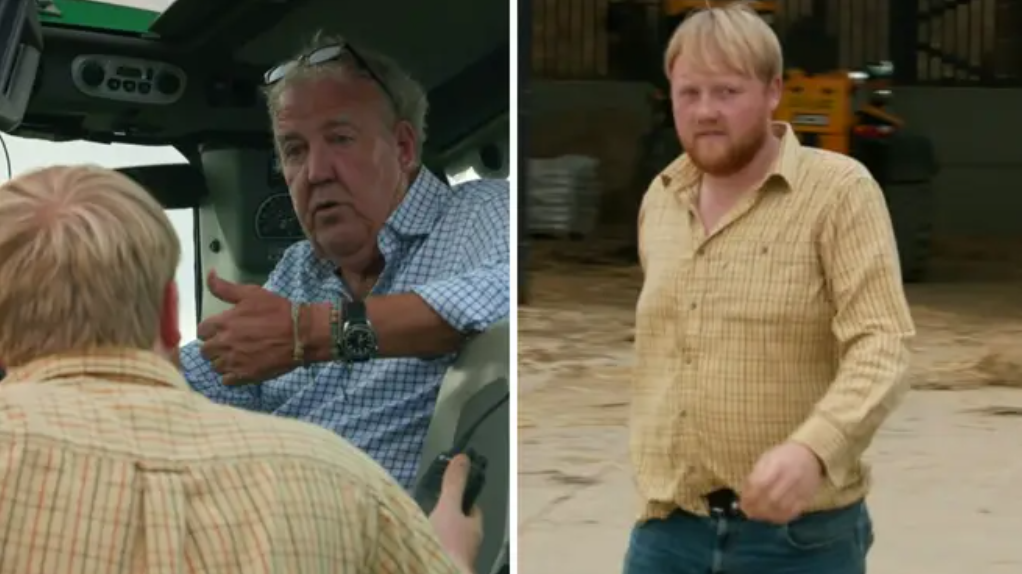
Looking ahead, Clarkson’s Farm continues to offer insights into how celebrity influence can intersect with practical agriculture. Kaleb Cooper’s role as farm manager, for instance, highlights the importance of skilled oversight and local knowledge in the success of large-scale operations. Meanwhile, the addition of Harriet Cowan in season four introduces a new dynamic to the team, reflecting the evolving demands of modern farming and television production. With Clarkson at the helm, viewers gain a mix of entertainment, educational content, and occasional chaos, all framed by the financial and logistical realities of managing Diddly Squat.
Financially, the future looks promising for Clarkson. His media ventures provide a cushion that allows him to experiment with new agricultural and commercial initiatives without the existential pressure faced by conventional farmers. The combination of Amazon Prime contracts, long-standing brand recognition, and high-profile sponsorships enables Clarkson to operate a farm that is both a working enterprise and a television show. Analysts suggest that this dual approach—leveraging celebrity capital to fund real-world operations—could become a model for future media-integrated farming projects, offering lessons in risk management, publicity, and audience engagement.
In conclusion, Jeremy Clarkson’s journey from automotive icon to farming entrepreneur demonstrates a unique convergence of media influence, personal wealth, and hands-on industry experience. Clarkson’s Farm has not only increased his net worth but also elevated public awareness of farming challenges in the UK. While the farm’s direct profits remain modest, Clarkson’s continued investment in the property, combined with his earnings from television, ensures that he can explore innovative projects while entertaining millions worldwide. For fans and analysts alike, the series provides both a lens into Clarkson’s financial acumen and a real-time case study of how celebrity-driven agricultural projects can thrive in the 21st century.
As Clarkson continues to expand his portfolio, from livestock to pub management, viewers can expect both more comedic misadventures and practical lessons in agriculture, making Clarkson’s Farm a rare blend of entertainment, entrepreneurship, and educational insight.