Gold Rush Tragedy: A sudden mine collapse leaves Tony Beets seriously injured, risking the loss of his entire career.
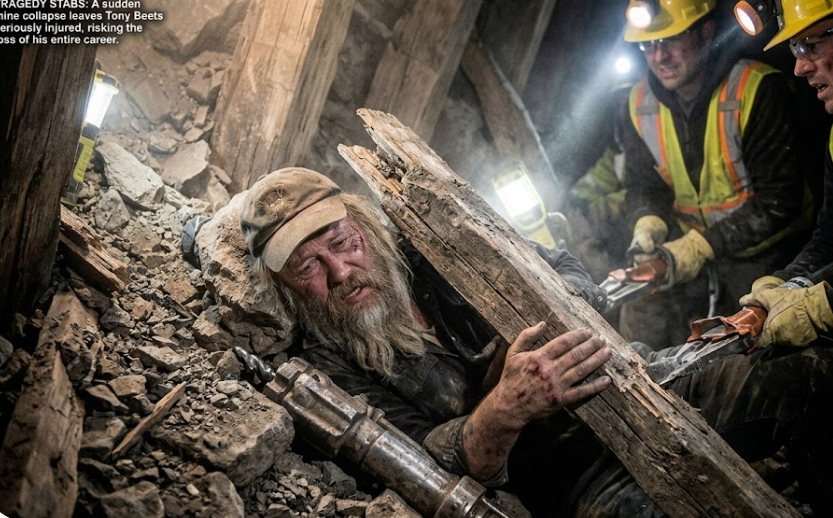
The world of high-stakes gold mining in the Yukon has always been defined by physical risk and operational complexity, but recent reports from the Gold Rush camp suggest that veteran miner Tony Beets has faced his most severe challenge yet. A sudden mine collapse on one of his claims has left Beets seriously injured, raising concerns not only about his personal health but also about the continuity of his extensive mining operations. Analysts observing the season note that this incident underscores the dangerous realities of industrial-scale gold mining and highlights the critical role of contingency planning, crew dynamics, and operational resilience in the field.
According to eyewitness accounts and crew reports, the collapse occurred during routine excavation in a deep section of Beets’ claim. Despite extensive safety measures, including reinforcement of shafts and adherence to best practices in timbering and excavation, a sudden shift in the soil and rock destabilized the mine walls, causing a partial collapse. Tony Beets, known for his hands-on leadership style, was in close proximity and sustained serious injuries, including broken bones and lacerations. The immediate concern for the team was not only his medical safety but also the stability of the mine itself, as additional sections of the shaft remained at risk of further collapse. Analysts highlight that even highly experienced miners are vulnerable to such unpredictable events, reinforcing the inherent danger of working in deep, complex placer claims.
Beets’ injury has significant operational implications. As one of the most experienced and influential miners in the Yukon, his presence on-site has historically been a stabilizing factor for both crew morale and strategic decision-making. With Tony incapacitated, key operational decisions—ranging from equipment deployment to sluice line management—have had to be delegated to his sons, Mike and Kevin Beets, and other senior crew members. Analysts suggest that this sudden shift in command may introduce temporary inefficiencies and heighten the risk of mistakes, particularly in high-output areas where multiple wash plants operate simultaneously. The reliance on subordinate decision-making in the absence of Tony could also lead to strategic disagreements, further complicating recovery efforts.
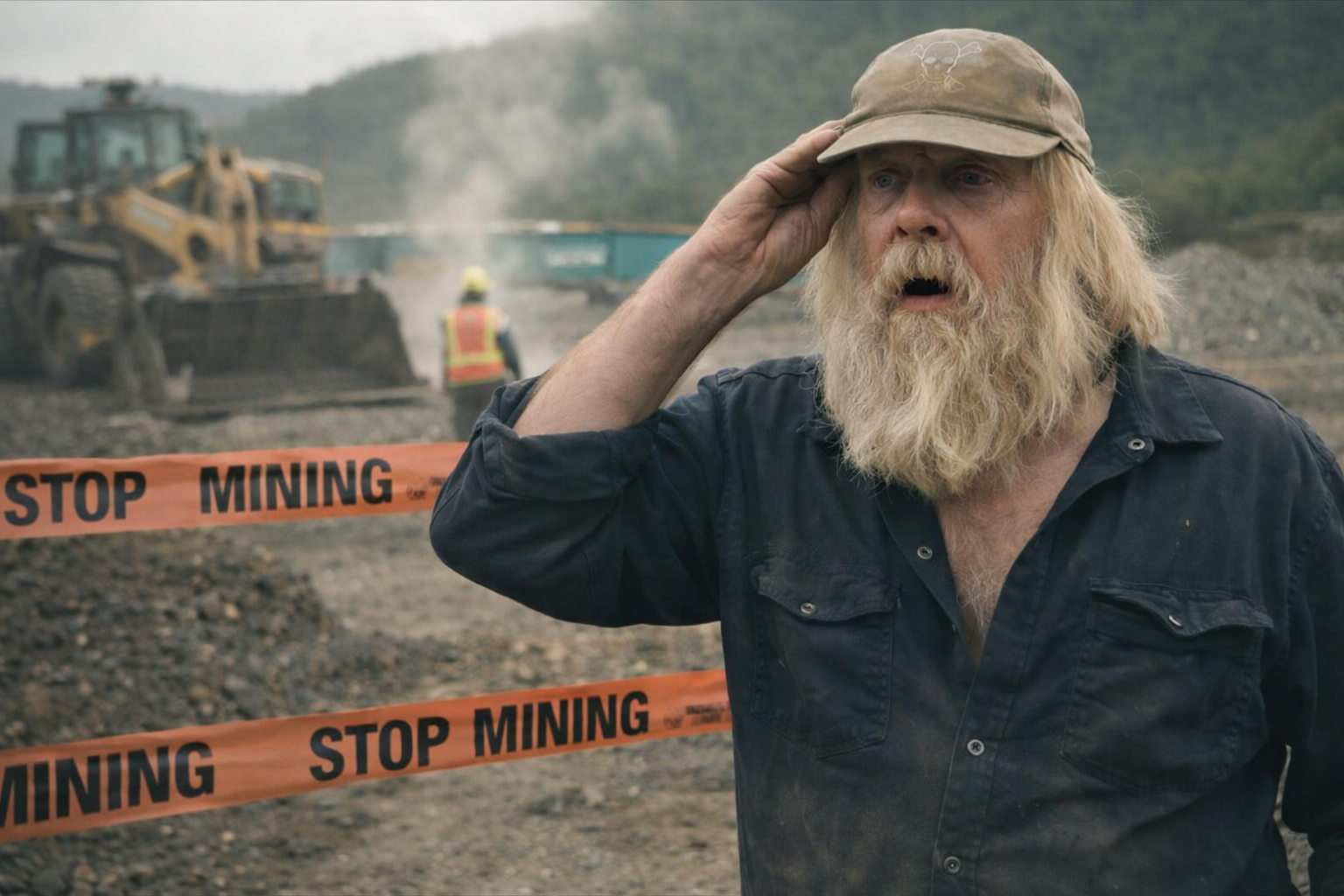
Financially, the stakes are enormous. Tony Beets’ claims represent multimillion-dollar operations, with daily output generating substantial revenue and high operating costs. Delays or disruptions caused by the mine collapse could significantly impact cash flow, equipment utilization, and contractual obligations. Analysts estimate that even a short-term shutdown could result in hundreds of thousands of dollars in lost revenue per week, depending on production rates and the extent of the collapse. Beyond immediate financial losses, the long-term implications of Beets’ injury could include a reevaluation of insurance coverage, claims management, and potential liabilities related to workplace safety.
From a narrative perspective on Gold Rush, this incident provides both tension and an educational lens. Fans will witness the challenges faced by miners when even the most experienced operators encounter unforeseen hazards. The situation highlights the physical and mental demands of industrial mining, emphasizing teamwork, problem-solving under pressure, and adaptive leadership. Analysts note that the show’s audience gains insight into both the technical intricacies of mining and the human resilience required to overcome life-threatening events. Beets’ injury, while tragic, also serves as a case study in crisis management and operational continuity.
The human factor cannot be overstated. Tony Beets has long been known for a demanding yet motivational leadership style, pushing his crews to maintain rigorous standards in safety, efficiency, and productivity. With his sudden absence, team dynamics are inevitably affected. Crew members must manage heightened anxiety, increased responsibility, and the emotional stress associated with a leader’s injury. Analysts suggest that the Beets family and senior personnel will need to balance operational demands with empathy and morale-building, ensuring that production continues without compromising safety or risking additional accidents.
Looking forward, several scenarios are possible. First, recovery and medical rehabilitation for Tony Beets will determine his ability to return to active mining duties. Depending on the severity of his injuries, it could take months of treatment, physical therapy, and gradual reintegration into the claim. Second, operational adjustments, including reinforcement of mine walls, deployment of additional safety equipment, and redistribution of workforce responsibilities, are likely to be implemented. Analysts predict that senior crew members may take temporary leadership roles, testing the adaptability and resilience of the team. Finally, the incident may prompt strategic shifts in operational planning, such as reassessing high-risk areas, introducing new monitoring technologies, or altering excavation schedules to minimize further hazards.
The psychological impact of the event also carries long-term consequences. Miners operate in an environment of constant risk, and the sudden injury of a veteran like Tony Beets reinforces the unpredictable nature of the job. Crew members may experience heightened vigilance, stress, or apprehension when returning to similar high-risk tasks. Analysts note that these human factors are critical considerations in planning and executing complex mining operations and can influence productivity, safety compliance, and overall team cohesion.
In conclusion, the mine collapse involving Tony Beets is a stark reminder of the perilous realities of industrial gold mining. The incident underscores the interdependence of leadership, technical expertise, and human resilience in sustaining operations under extreme conditions. Analysts predict that the coming weeks will be a test of both the team’s operational capability and its emotional fortitude, as they balance recovery, ongoing mining objectives, and the safe reintegration of a key figure in the Yukon gold fields. For viewers of Gold Rush, the episode provides a compelling mix of human drama, technical problem-solving, and insight into the challenges of running a high-output mining operation under pressure. The stakes for both the crew and Tony Beets’ career could not be higher, and the unfolding recovery and operational response will shape the season’s narrative for months to come.