The real reason behind Rick Ness’s broken nose in the movie Gold Rush has been revealed.
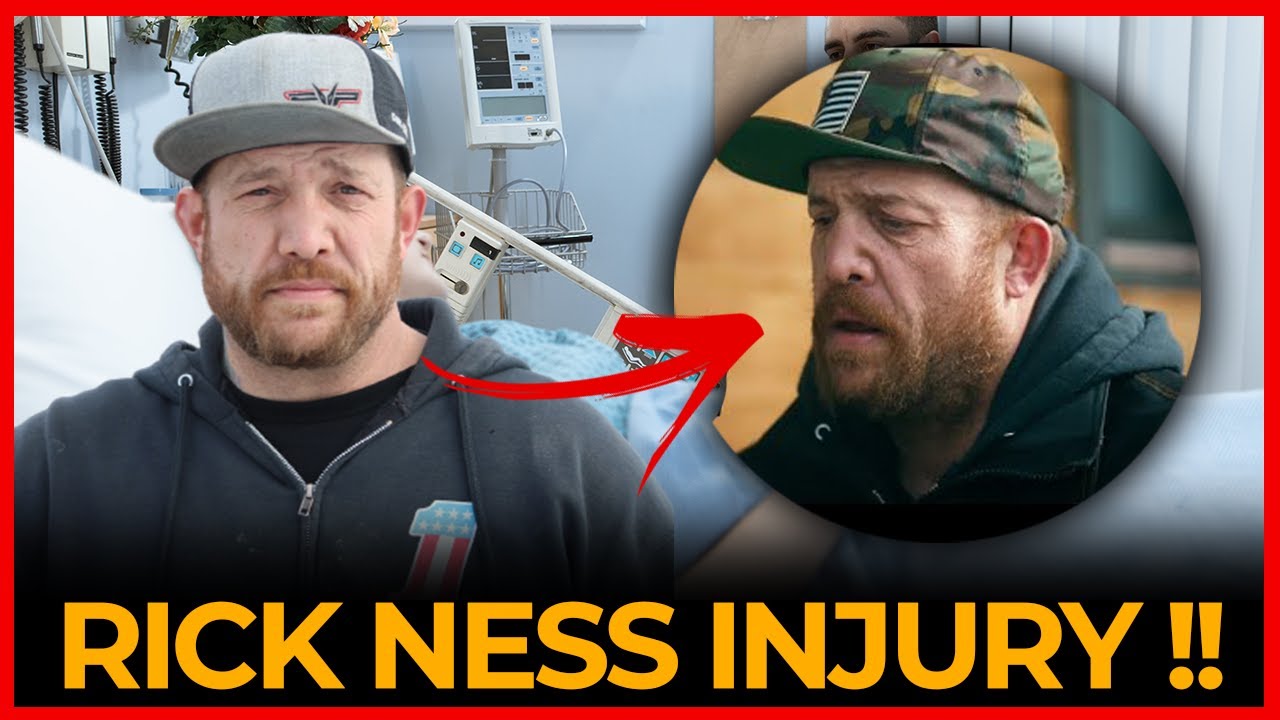
Rick Ness, one of the standout figures on Gold Rush, recently made headlines not just for his mining acumen but also for the revelation behind his broken nose. While fans had speculated about an accident on the claim or a high-stakes encounter with equipment, insiders now confirm the exact circumstances, shedding light on both the risks inherent in commercial gold mining and the effects of personal injury on team operations. Analysts examining the latest season emphasize that such incidents are more than dramatic moments—they influence production efficiency, crew morale, and even strategic planning.
The injury reportedly occurred during a routine equipment maneuver on Rick Ness’s claim. Handling heavy machinery in remote, unforgiving conditions requires precision, strength, and constant attention. Even seasoned miners are vulnerable to missteps, and in this case, the accident was the result of a combination of mechanical failure and human error. The broken nose, while not life-threatening, immediately impacted Rick’s ability to function at peak capacity, necessitating temporary adjustments to the workflow. Analysts note that in a high-output mining environment, where every hour of sluicing and hauling contributes to massive weekly totals, even short-term reductions in operator efficiency can have significant financial consequences.
Rick Ness’s role on the claim extends beyond physical labor. As a foreman and experienced operator, he coordinates tasks, oversees wash plant performance, and mentors junior crew members. The broken nose incident temporarily shifted these responsibilities to other team members, creating both a logistical and psychological ripple effect. Crew members had to adapt to altered leadership, redistribute workloads, and manage equipment without the usual oversight. Analysts observe that such situations test the resilience and cohesion of mining crews, revealing the importance of contingency planning and cross-training to maintain output under unexpected circumstances.
From a production standpoint, the incident adds layers of tension and narrative depth to Gold Rush. Reality television thrives on unscripted challenges, and personal injury introduces real stakes that extend beyond gold totals. The series’ audience not only witnesses the physical hazards of mining but also gains insight into leadership dynamics and decision-making under stress. Analysts suggest that the depiction of Rick Ness managing recovery while ensuring claim productivity underscores the dual pressures faced by modern miners: physical endurance and strategic oversight.
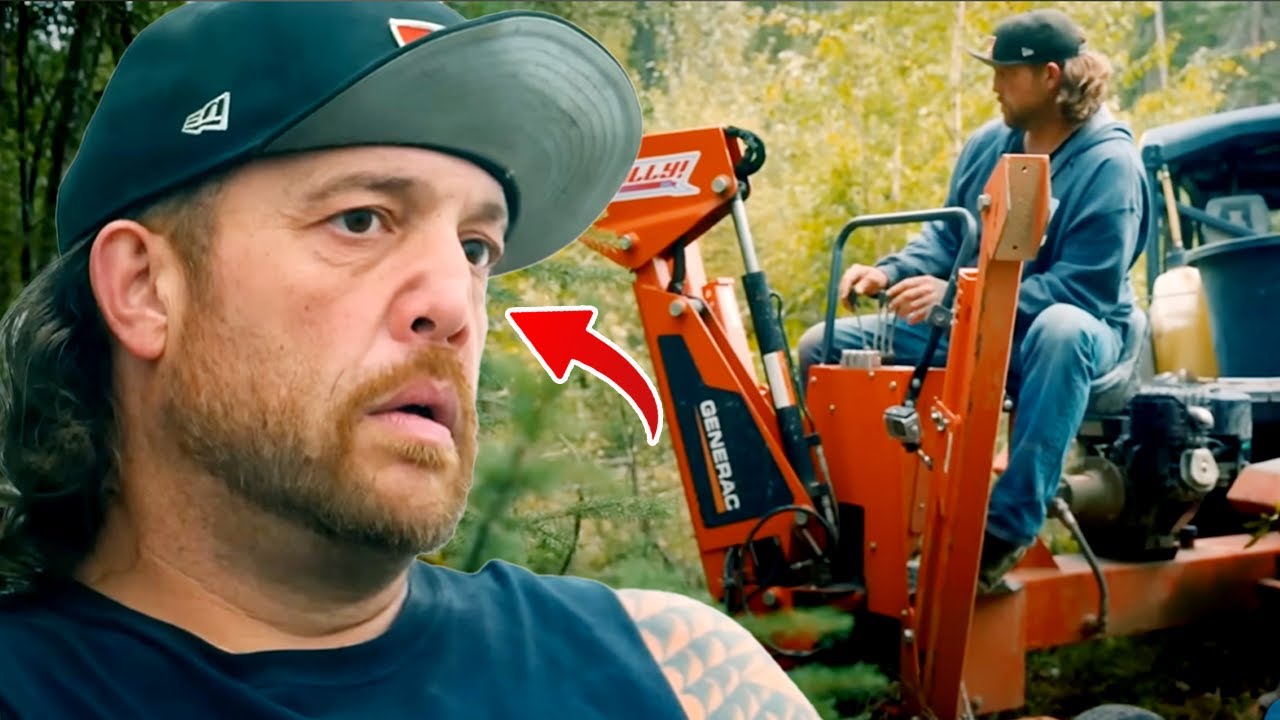
In terms of operational adjustments, the accident prompted a reevaluation of task assignment and machinery usage. Equipment previously operated solely by Rick was temporarily handled by other experienced crew members, requiring rapid knowledge transfer and real-time problem solving. Analysts predict that such adaptations will be a recurring theme throughout the season, as the team learns to function effectively even when key personnel are sidelined. Additionally, the incident likely prompted enhanced safety protocols, emphasizing risk mitigation in high-pressure mining environments.
The implications for Rick Ness personally are also notable. Recovery from a broken nose, while medically straightforward, involves physical discomfort and potential disruption to his daily routine. Analysts highlight that psychological factors—such as stress, frustration, and concern over productivity—can compound the challenge, influencing morale and decision-making. For viewers, seeing Rick navigate these personal and professional obstacles provides an instructive lens into the human dimension of industrial mining.
Looking forward, analysts predict several potential developments. First, the incident may catalyze improved safety measures across the claim, including more rigorous equipment checks, revised operating procedures, and additional training for crew members. Second, the accident could influence crew hierarchy and task delegation, testing the adaptability of less experienced operators thrust into leadership or high-responsibility roles. Third, production timelines may experience minor adjustments, as the team compensates for Rick’s temporary limitations, offering viewers a real-time perspective on operational resilience.
The broken nose also offers broader lessons about risk management in mining. Even with advanced equipment, years of experience, and careful planning, unexpected events remain an inherent part of operations. Analysts suggest that successful teams are those capable of rapid response, clear communication, and collaborative problem solving. Rick Ness’s ability to recover while maintaining operational continuity exemplifies these qualities, reinforcing his reputation as a skilled and resilient operator.
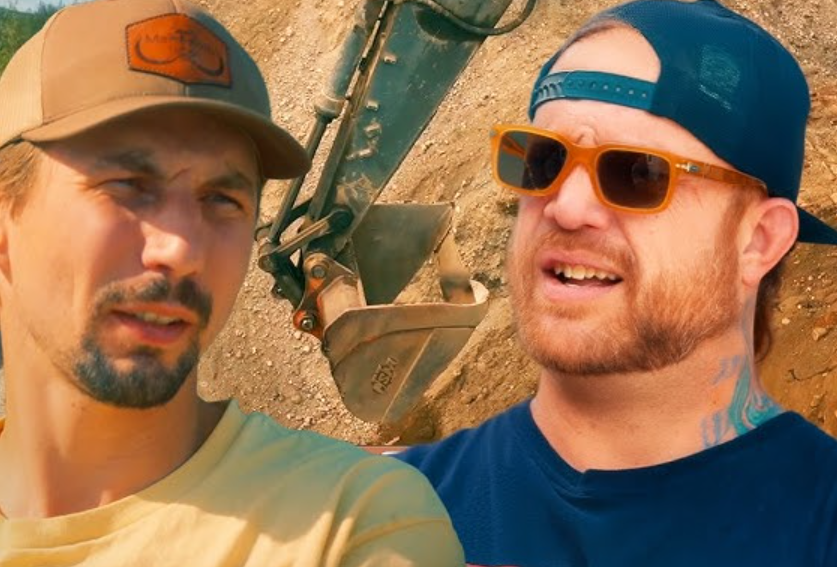
For the audience of Gold Rush, the episode offers multiple layers of engagement. The visible consequence of the accident—the broken nose—provides a dramatic moment, while the unseen adjustments in operations, crew coordination, and workflow convey the complexity of large-scale placer mining. Analysts note that this combination of spectacle and substantive insight distinguishes Gold Rush from other reality television, delivering both entertainment and a window into the realities of high-stakes industrial operations.
In conclusion, Rick Ness’s broken nose, though a minor personal injury, has significant implications for claim management, crew dynamics, and production narrative. The accident illustrates the physical hazards of gold mining, the need for adaptable leadership, and the importance of teamwork in maintaining operational continuity. Analysts predict that the season will continue to explore these themes, showing how industrial mining requires both technical skill and human resilience. As Rick recovers and the crew adapts to the challenges posed by the injury, viewers are likely to witness a compelling interplay of risk, recovery, and real-world decision-making, reinforcing the high-pressure reality of life in the Yukon gold fields.