Tony Beets buys a gold mine from Rick Ness: a bold move to solidify his position as a tycoon in the gold mining industry.
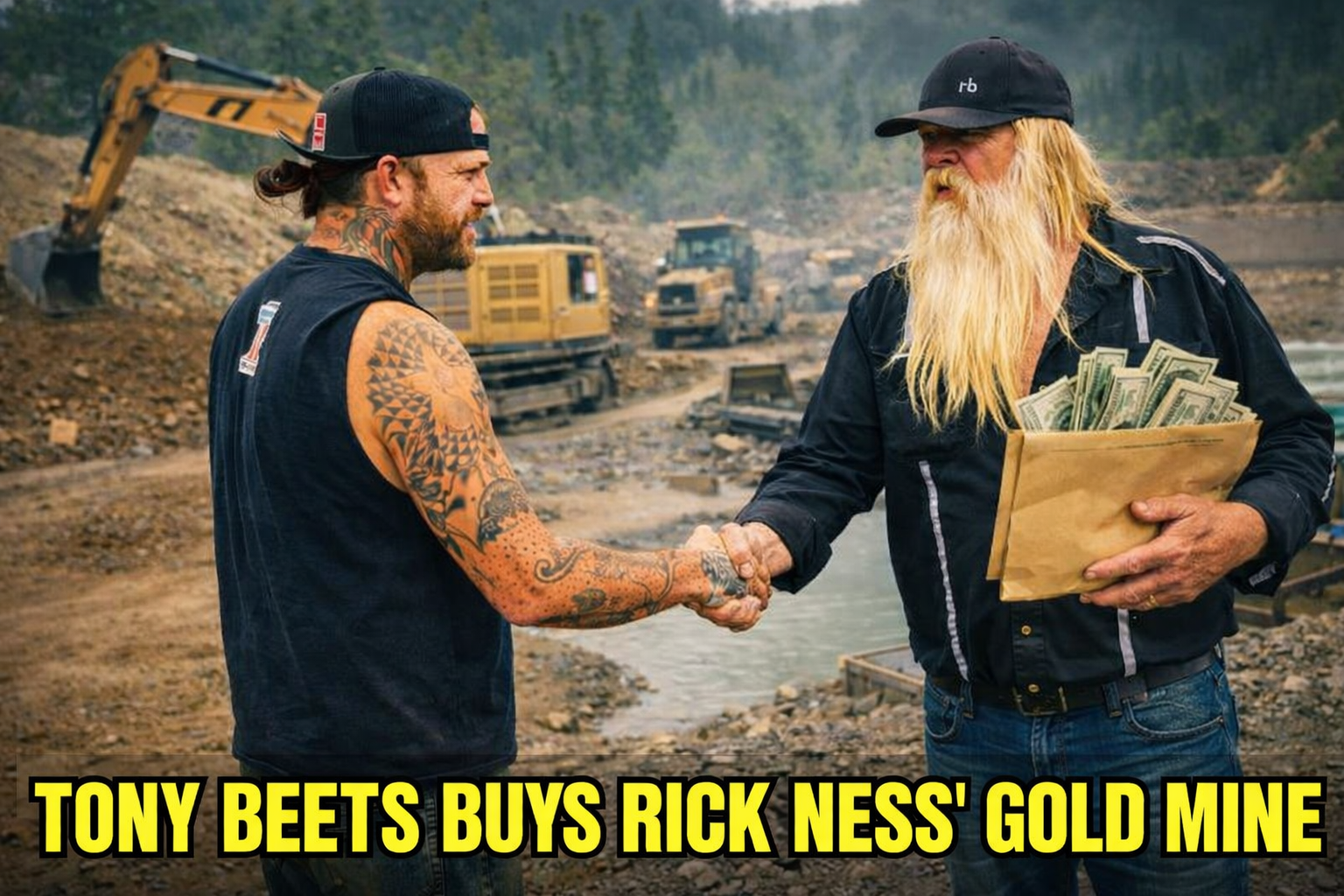
If Tony Beets were to buy a gold mine from Rick Ness, it would not simply be another business deal in the Klondike. It would represent a major shift in the balance of power on Gold Rush, placing one of the show’s most experienced operators in direct control of ground once tied to one of its most determined independent miners.
From a television analyst’s perspective, this kind of move would be one of the most fascinating developments the series could explore. Tony Beets has always operated like a long-term strategist. He is not just chasing weekly cleanups; he is building an empire. Every piece of equipment, every wash plant, every cut, and every claim fits into a larger plan. Buying a mine from Rick Ness would fit perfectly into that pattern. It would give Tony more ground, more options, and potentially more leverage over the future of mining in the region.
Rick Ness, on the other hand, represents a very different kind of miner. His story has always been built around risk, recovery, independence, and personal pressure. Unlike Tony, who runs a family-backed mining machine with decades of experience behind him, Rick has had to fight for stability season after season. He has dealt with difficult ground, financial strain, crew uncertainty, and the emotional burden of trying to prove he belongs among the biggest names in the Yukon.
That is why a sale between Tony and Rick would carry so much weight. It would not only be about land. It would be about survival, strategy, and what each miner needs most at this point in his career.
For Tony, the advantage is obvious. Gold mining is a ground game. A miner can have the best machinery, the hardest-working crew, and the strongest reputation, but without good ground, there is no future. If Rick owns or controls a property with promising pay, Tony would likely see an opportunity. He has the equipment and manpower to develop ground faster than smaller operations. A claim that Rick struggles to fully exploit could become far more productive under Tony’s larger system.
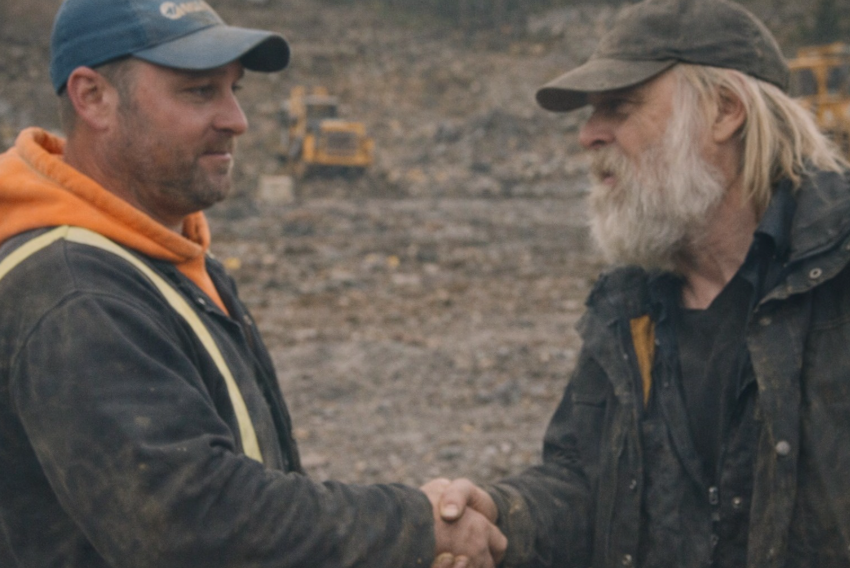
Tony also understands timing. As the price of gold rises, control over productive land becomes even more valuable. Buying a mine before it reaches its full potential could be a classic Beets move: pay now, develop later, and turn the investment into a long-term advantage. It would further cement his image as the “King of the Klondike,” not only because of how much gold he mines, but because of how much territory and infrastructure he controls.
For Rick, the decision would be more complicated. Selling a mine could be seen by some fans as a step backward, especially if the property was supposed to be part of his comeback plan. But in mining, walking away from one piece of ground can sometimes be the smartest move. If the claim requires too much capital, too many permits, too much stripping, or too much risk, selling it to a larger operator could give Rick the cash and flexibility he needs to focus elsewhere.
This is where the storyline becomes especially compelling. Rick Ness has always been at his best when he is forced to make difficult decisions. A mine sale could create a crossroads moment for him. Does he hold onto ground that may take years to develop, or does he turn that asset into money he can use to stabilize his crew, invest in better equipment, or pursue a more realistic mining plan?
The emotional side would be just as important as the business side. Rick is not a miner who likes to give up easily. If he sells to Tony, viewers would likely see him wrestling with pride, disappointment, and practicality. He may know the sale makes sense on paper, but still feel the sting of handing over ground to one of the most dominant figures in the industry.
Tony, meanwhile, would likely approach the deal with typical blunt confidence. He would evaluate the ground, calculate the costs, and decide whether the numbers work. If he believes there is gold to be recovered, he would not hesitate. Tony’s greatest strength has always been his ability to see mining as a long-term industrial operation, not a single-season gamble.
The deal could also reshape relationships on the show. If Tony buys Rick’s mine, Parker Schnabel would certainly be watching closely. Parker has spent years building his own empire through aggressive expansion, efficient operations, and smart ground acquisition. Seeing Tony absorb more property could increase the competitive tension between them. The race would no longer be only about ounces recovered in one season. It would become a race for control of the best mining opportunities.
For the producers of Gold Rush, this storyline would be rich with potential. It could be framed as a turning point for all three major miners. Tony becomes more powerful. Rick is forced to reinvent his strategy. Parker faces an even larger rival. That triangle has always been one of the strongest engines of the show, and a major land deal would push it into new territory.
The next likely development would involve testing the mine under Tony’s system. Viewers would want to know whether Rick had been sitting on ground that Tony could unlock, or whether the property’s problems would remain difficult even for a larger crew. If Tony’s team quickly finds strong gold, it could be painful for Rick and raise questions about whether he sold too soon. If the ground proves difficult, Rick may look smarter for stepping away.
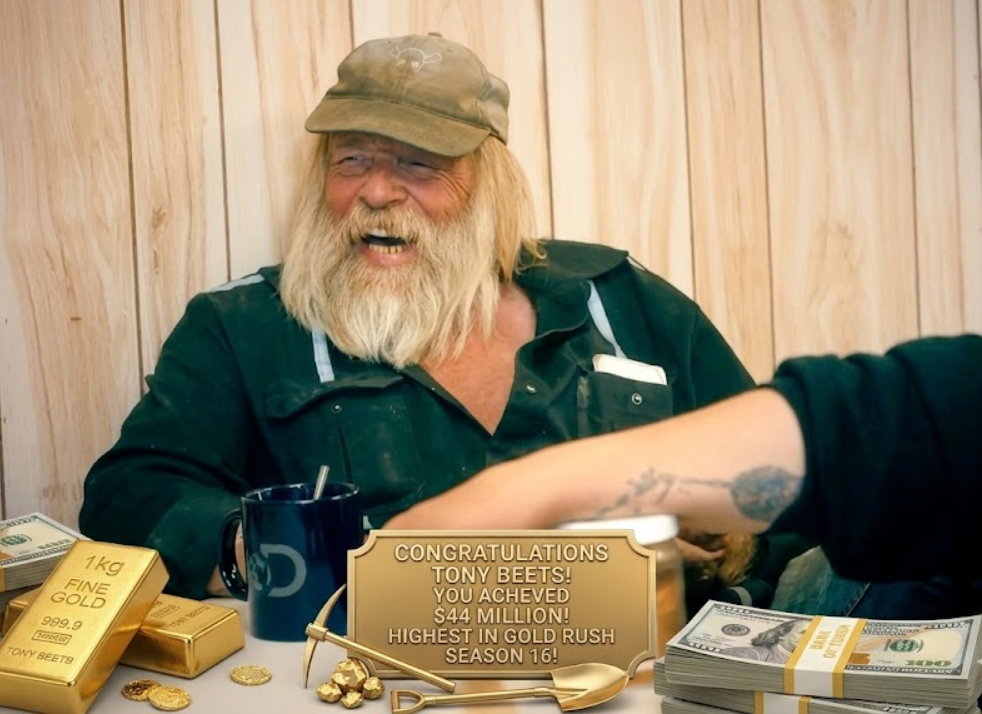
There is also the possibility of a partnership structure rather than a clean sale. Tony might buy a major stake in the mine while allowing Rick to remain involved, perhaps through royalties, shared equipment, or a limited operating agreement. That would create ongoing tension. Rick would still be connected to the ground, but Tony would hold greater power. Such an arrangement could produce strong television because it would test trust, control, and ego on both sides.
In the broader Gold Rush narrative, Tony buying a mine from Rick would symbolize the harsh reality of the mining business. Passion is important, but capital wins. Experience matters, but scale matters more. A smaller miner can discover or secure promising ground, but a larger operator may be the one with enough machinery, staff, and money to turn it into a major producer.
For Tony Beets, the move would strengthen his position as a gold mining tycoon. For Rick Ness, it could become either a painful retreat or the beginning of a smarter reset. For the show, it would deliver a powerful new chapter about ambition, pressure, and the cost of staying alive in the Yukon mining game.
In the end, the biggest question would not be whether Tony can afford the mine. The real question would be whether Rick can afford to let it go.