Rick Ness Faces Major Duncan Creek Setback as Water License Delays Threaten Gold Rush Season 17 Plans.
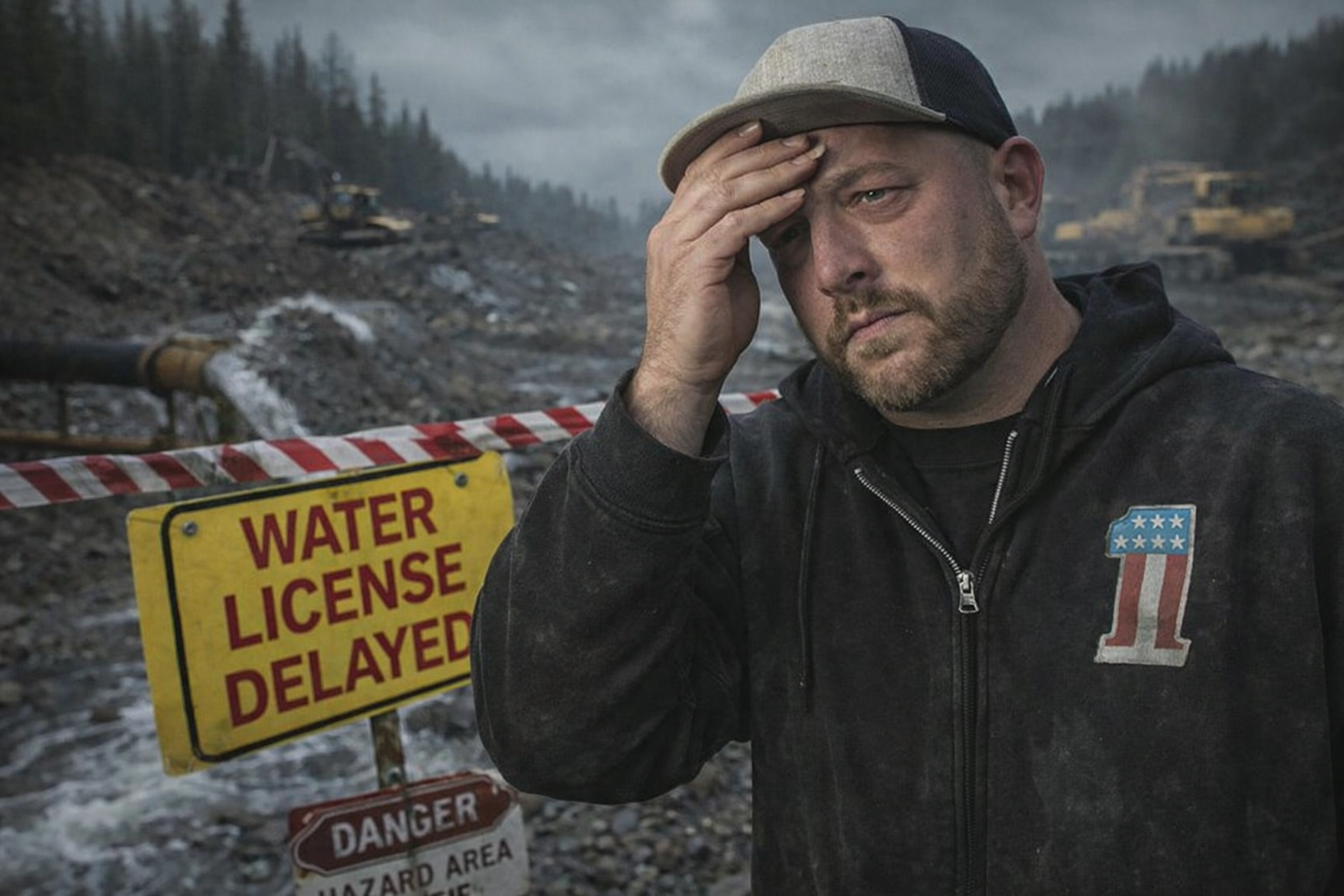
Rick Ness may be heading into one of the most uncertain chapters of his Gold Rush career, as a major regulatory delay at Duncan Creek threatens to disrupt his mining plans ahead of Season 17.
For years, Ness has built his reputation on resilience. He has battled difficult ground, equipment failures, financial pressure, and the constant demands of running an independent mining operation in the Yukon. But this time, the challenge is not a broken machine, a bad cleanup, or a race against winter. It is paperwork — and in gold mining, paperwork can be just as decisive as the gold itself.
At the center of the situation is Rally Mining ULC, the company connected to the Duncan Creek project, with Richard Ness listed as director. According to the documents referenced in the application process, the company is facing significant delays in securing a crucial water license. For viewers outside the mining world, a water license may sound like a routine administrative matter. In the Yukon, however, it can determine whether a placer mining operation lives or dies.
The reason is simple: without water, there is no wash plant. Without a wash plant, pay dirt cannot be processed. And without processed pay dirt, there is no gold production.
That reality has placed Duncan Creek under intense scrutiny. The application process became more complicated after the First Nation of Nacho Nyak Dun formally intervened. The Indigenous government submitted an intervention letter and citizen statement calling for a more comprehensive review of the proposed project. Concerns were raised about possible environmental impacts and the effect of mining activity on traditional territory.
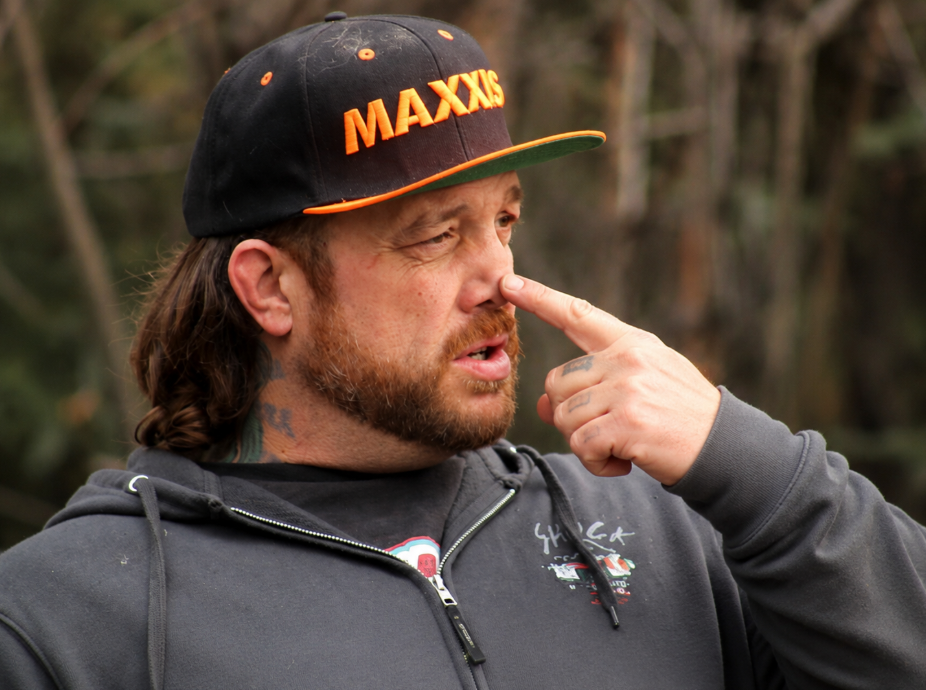
As a result, the Yukon Water Board determined that a full public hearing would be required before any final decision could be made. That decision has dramatically changed the outlook for Rick’s 2026 mining season.
A technical pre-hearing conference is scheduled for June 17 and 18, followed by an administrative pre-hearing conference on August 18. The main public hearing is set for August 26 through August 28. For many industries, a delay of a few months might be frustrating but manageable. For Yukon gold mining, the timing is far more serious.
The northern mining season is extremely short. Crews must work between the spring thaw and the autumn freeze-up, racing to strip overburden, expose pay dirt, and run their wash plants for as many hours as possible. Every week lost can mean a major loss in production. By the time the public hearing wraps up in late August, much of the best mining window may already be gone.
That has led to growing questions about whether Duncan Creek can realistically become a major part of Rick’s Season 17 storyline. Even if approval eventually comes, the remaining season may not provide enough time to move equipment, prepare ground, and recover meaningful gold before winter conditions return.
For Gold Rush fans, the uncertainty is significant. Rick Ness remains one of the show’s most recognizable and popular miners. His comeback story, personal struggles, and independent approach have made him a central figure in the series. If Duncan Creek remains tied up in regulatory proceedings, producers could be left with limited mining footage from one of the franchise’s most compelling personalities.
The situation raises several possibilities. Rick could wait out the hearing process and hope for approval. He could search for alternative ground elsewhere in the Yukon. He could partner with another crew temporarily. Or he could return to a property that once looked like a questionable gamble but may now become his most practical backup plan: Lightning Creek.
During Season 16, Rick purchased Lightning Creek for approximately $700,000. At the time, the investment appeared risky. The property did not immediately produce the kind of results fans might have hoped for, and some viewers questioned whether Rick had spent too much money on ground that failed to deliver quickly.
Now, that decision may look very different.
One of the reasons Rick invested in Lightning Creek was uncertainty around Duncan Creek and its permitting process. Rather than relying completely on one project, he created a second option. That move may now prove critical. If Duncan Creek cannot move forward in time, Lightning Creek could provide an existing property where Rick already has experience, equipment knowledge, and a better understanding of the ground.
It may not be the perfect solution, but it could be the most realistic one. Developing a brand-new claim requires time, testing, planning, and money. Lightning Creek, despite its challenges, is already part of Rick’s operation. In a season where time may be his biggest enemy, that familiarity could matter.
From a television perspective, Lightning Creek could also keep Rick active on screen. Viewers could see him trying to unlock the property’s potential while continuing to fight for approval at Duncan Creek. That would create a season built not only around mining gold, but around survival, strategy, and the pressure of keeping an operation alive under difficult circumstances.
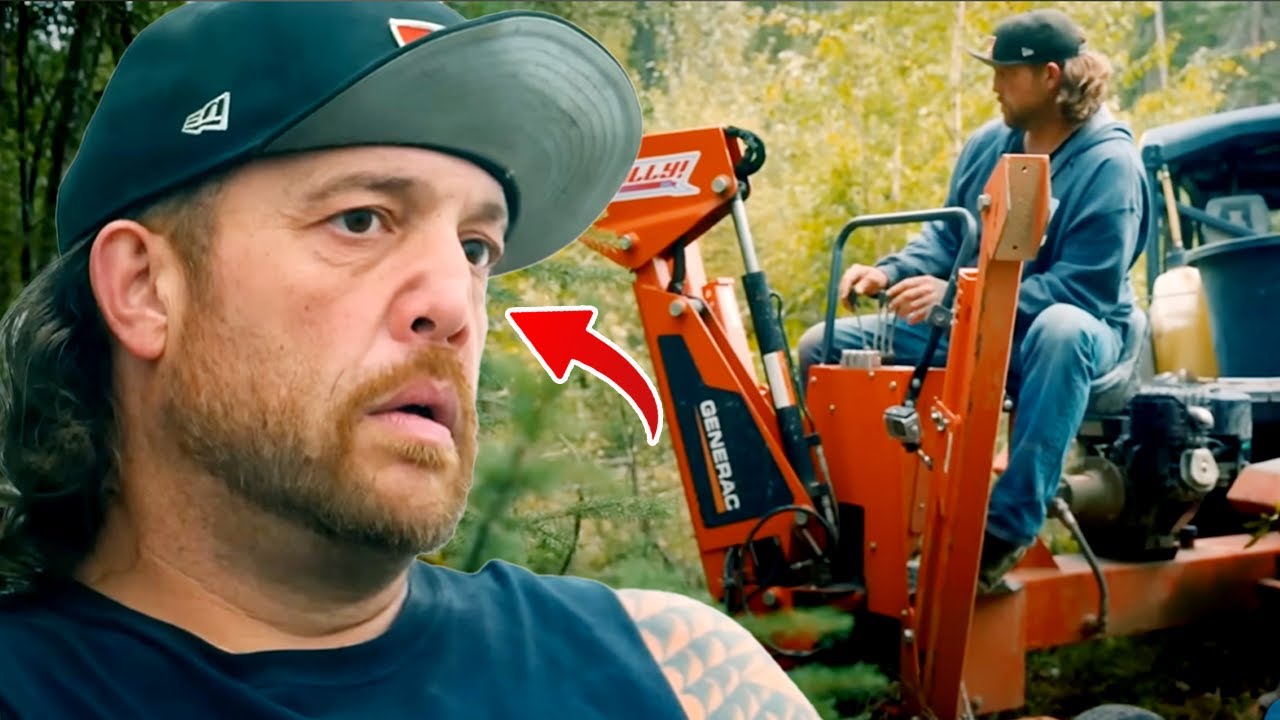
The Duncan Creek situation also highlights a larger truth about modern gold mining. Success is no longer determined only by hard work, heavy equipment, and good ground. Environmental review, Indigenous consultation, public hearings, and regulatory approval are now central parts of the process. For miners, navigating those requirements is as important as running a wash plant.
Rick Ness has faced tough odds before, and his supporters know he is not easily pushed out of the fight. Still, the timeline at Duncan Creek presents a real problem. With hearings extending into late August, the road to a full mining season appears narrow.
For now, all eyes are on the Yukon Water Board process. The decisions made in the coming months could shape not only the future of Duncan Creek, but Rick Ness’s role in Gold Rush Season 17.
What was expected to be another hard-fought mining season has become something more complicated: a battle between ambition, regulation, timing, and survival. And for Rick Ness, the biggest obstacle standing between him and the gold may not be buried underground at all.