An Oxfordshire councillor has criticized Jeremy Clarkson for his out-of-control remarks on television.
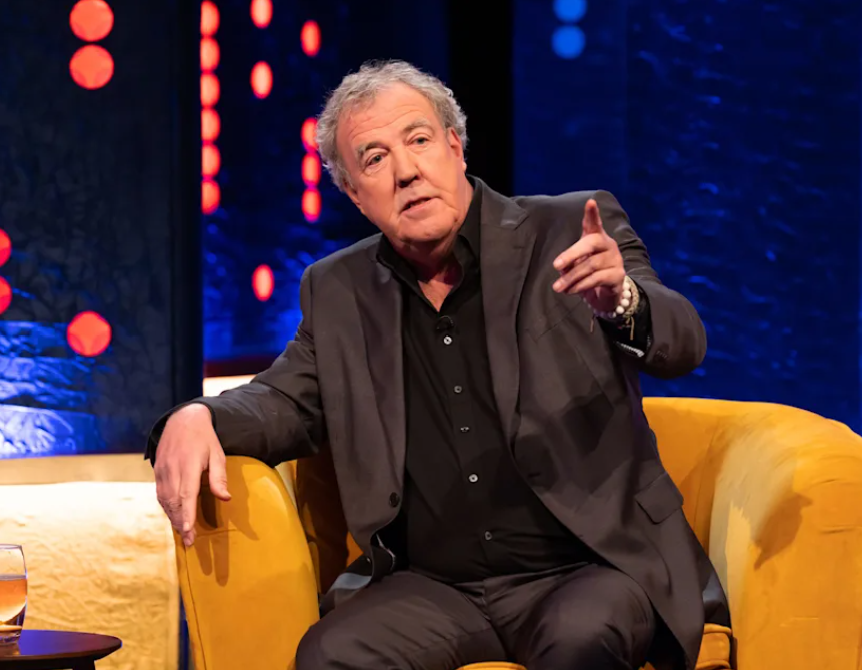
A new wave of controversy has emerged surrounding Jeremy Clarkson, as an Oxfordshire councillor has publicly criticized his recent television remarks, describing them as “out-of-control.” The statement has reignited long-running debates about Clarkson’s broadcasting style, his influence on public discourse, and the blurred line between entertainment and controversy in modern factual programming.
From an analytical perspective, this incident is not just a moment of media criticism—it is part of a recurring pattern in Clarkson’s public persona, where outspoken commentary often collides with local political sensitivities and regional governance concerns.
A FAMILIAR PATTERN: CLARKSON VS LOCAL AUTHORITIES
Jeremy Clarkson’s television presence has always been defined by a mix of humor, provocation, and unfiltered opinion. On Clarkson’s Farm, this approach is amplified by the realities of agricultural life, where frustration, bureaucracy, and unpredictability often become central themes of storytelling.
However, when those remarks extend beyond entertainment framing and are interpreted in a political or civic context, tensions can arise. The Oxfordshire councillor’s criticism suggests that certain comments have crossed into territory viewed as inappropriate or excessive from a local governance standpoint.
This is not the first time Clarkson’s public commentary has triggered institutional pushback. Historically, his style has repeatedly placed him at the center of debates involving media responsibility, satire boundaries, and public influence.

WHY THIS MATTERS BEYOND TELEVISION ENTERTAINMENT
From a media analysis perspective, the key issue is not simply what was said, but how television audiences interpret personality-driven factual programming. Clarkson operates in a hybrid genre—part documentary, part entertainment—which inherently blurs accountability lines.
In rural-focused programming like Clarkson’s Farm, real-world stakeholders such as farmers, suppliers, and local councils are indirectly drawn into the narrative. This creates a feedback loop where televised commentary can have real reputational consequences for local institutions.
The councillor’s reaction highlights this tension. While viewers may interpret Clarkson’s remarks as comedic exaggeration, local representatives may see them as misrepresentation or oversimplification of complex policy and community issues.
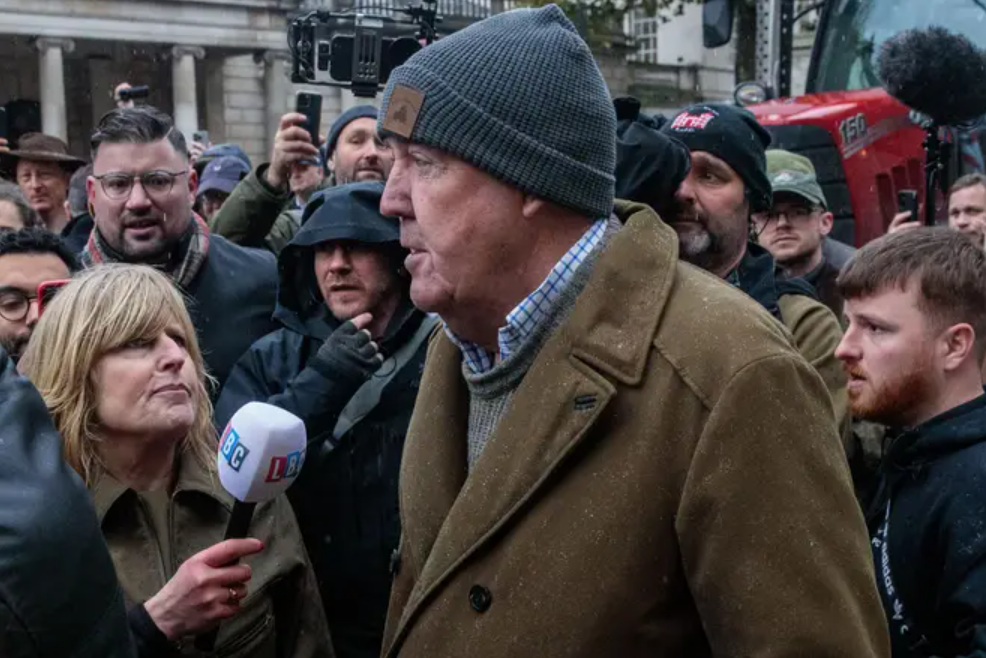
MEDIA PERSONALITY VS PUBLIC RESPONSIBILITY
Clarkson’s brand has always been built on controlled controversy. Whether through automotive journalism, travel programming, or farming documentation, his style relies on directness and provocation to maintain audience engagement.
However, as regulatory scrutiny and public sensitivity increase around media content, particularly in regionally impactful subjects like agriculture and land use, the tolerance for “out-of-control” commentary is becoming more limited in some political circles.
This raises a broader question: should factual entertainment figures be held to the same standard of responsibility as journalists, or do they operate under a different set of expectations due to their entertainment framing?
IMPACT ON CLARKSON’S FARM AND LOCAL RELATIONS
While the immediate criticism is focused on Clarkson himself, there are secondary implications for Clarkson’s Farm as a production. The show relies heavily on cooperation with local landowners, councils, agricultural advisors, and community stakeholders.
Sustained friction with local authorities could, in theory, complicate future filming logistics or increase administrative oversight. However, historically, the show has managed to maintain access through a combination of transparency, popularity, and economic contribution to the local area.
From a production standpoint, controversy often also translates into increased viewership interest. Public disputes tend to amplify audience curiosity, even when they generate institutional discomfort.
POSSIBLE FUTURE DEVELOPMENTS
Looking ahead, there are several plausible outcomes following this criticism:
- Clarification or Softening of Statements
Clarkson or the production team may choose to contextualize the remarks, emphasizing entertainment framing rather than literal interpretation. - Continued Political Scrutiny
Local officials may maintain closer attention on future episodes to ensure content aligns with community expectations. - Escalation into Broader Media Debate
The incident could evolve into a wider discussion about media responsibility in hybrid documentary-entertainment formats. - No Structural Change, Only Temporary Attention
Given Clarkson’s established public persona, the controversy may fade without long-term operational consequences.
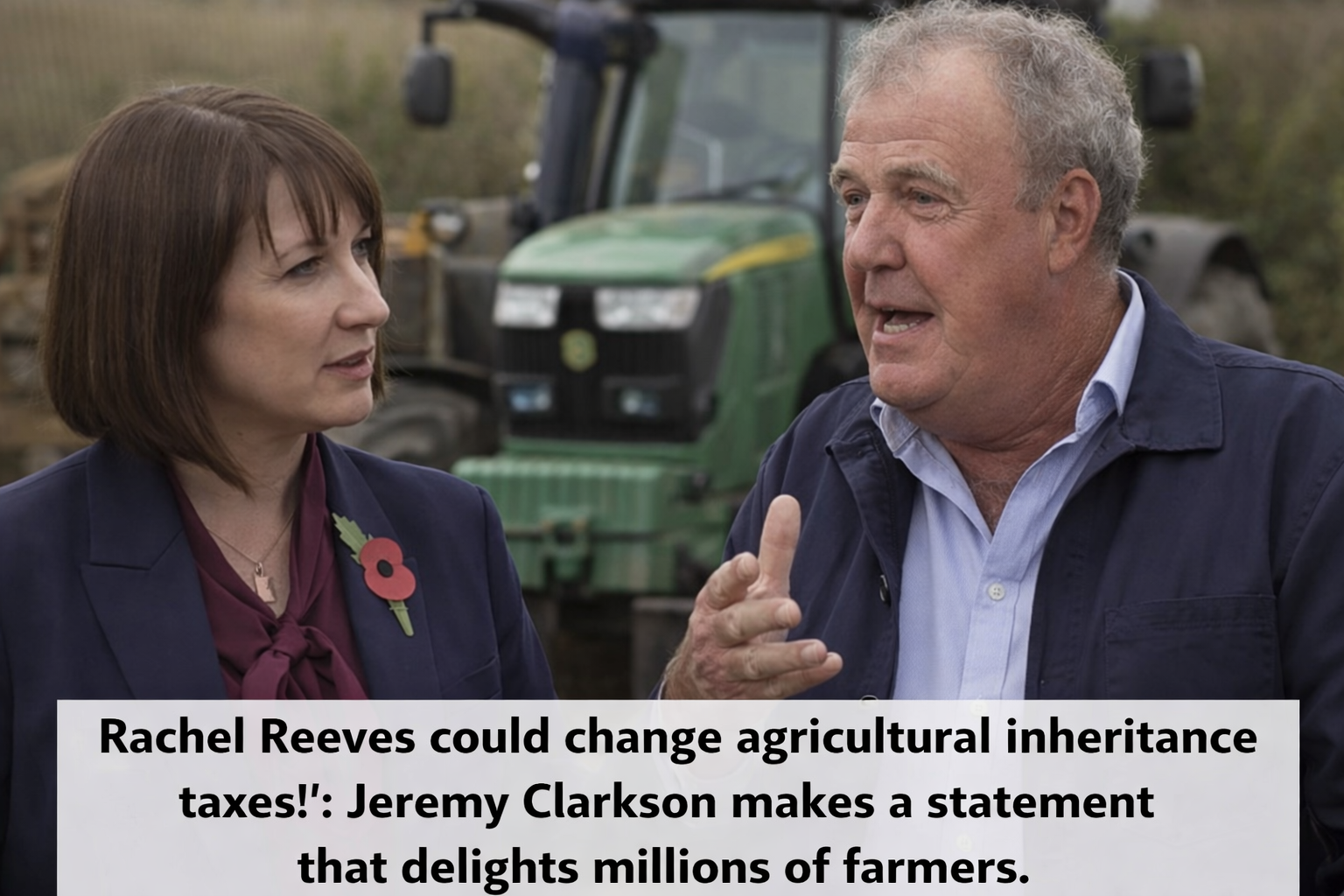
THE BROADER ANALYTICAL TAKEAWAY
From an analytical lens, this situation reinforces a recurring truth about Clarkson-led programming: controversy is not an accident—it is often an inherent byproduct of the format.
Clarkson’s Farm thrives on tension between rural reality and outspoken interpretation. That tension creates both its entertainment value and its periodic clashes with institutional perspectives.
The Oxfordshire councillor’s criticism, therefore, should not be viewed as an isolated incident, but as part of a continuing negotiation between media storytelling and local governance sensitivity.
CONCLUSION: A BALANCING ACT BETWEEN VOICE AND IMPACT
Jeremy Clarkson remains one of the most influential and polarizing figures in British factual television. His ability to attract attention is inseparable from his tendency to generate debate.
This latest criticism underscores a familiar dynamic: when entertainment meets real-world policy environments, interpretation becomes as important as intent.
Whether this episode leads to lasting change or simply becomes another entry in Clarkson’s long history of public disputes remains to be seen. What is clear, however, is that the intersection between media expression and local accountability is becoming an increasingly active fault line in modern factual television.