Parker Schnabel’s Crew Crosses 6,088 Ounces — But At What Cost?
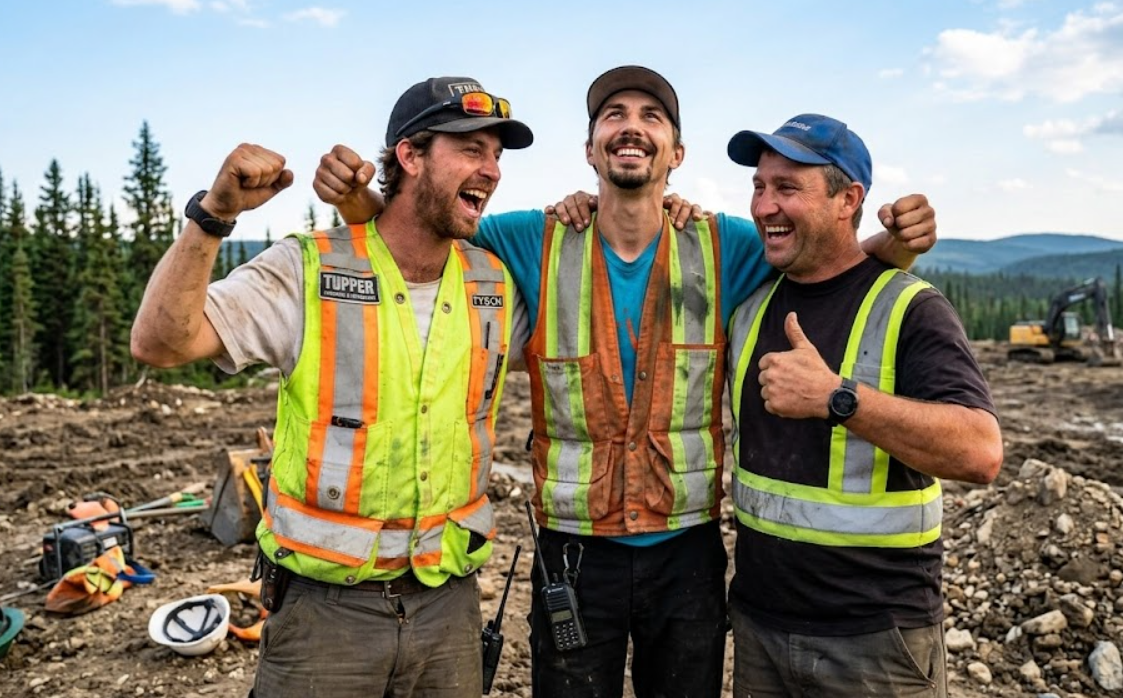
As the Yukon winter closes in and the mining season reaches its final stretch, Parker Schnabel and his crew have delivered a strong finish that underscores both the reward and relentless pressure of modern gold mining. In a season defined by mechanical failures, risky ground decisions, and time running out, the team has officially pushed their total production to 6,088.2 ounces of gold — a result that reflects both resilience and calculated risk-taking under extreme conditions.
A Season Under Pressure From the Start
From the outset, Schnabel made it clear that this season would demand aggressive mining strategies. With rising operational costs and constant pressure to stay ahead of expenses, the operation required continuous gold output just to remain viable.
The team’s strategy revolved around multiple cuts, including the Bridge Cut, White Channel pay, and several supporting areas such as Roxanne and Elbow Cut. Each zone carried different levels of risk and reward, but all shared one common factor: they had to produce consistently or the season would fall behind financially.
As Schnabel bluntly put it during operations, the goal was simple but brutal — keep feeding the machine gold, or risk losing everything built over months of work.
Big Red’s Breakdown Changes Everything



Midway through the closing phase of the season, the operation suffered a major setback. Big Red, the primary wash plant responsible for processing large volumes of pay dirt, experienced a critical structural failure.
After months of nonstop operation, the side tension bars holding the plant’s screens finally gave out. The failure was not minor — it effectively rendered Big Red unusable.
Technicians quickly assessed the damage, but the conclusion was unavoidable. The wear from continuous processing had compromised the machine beyond field repair.
For Schnabel, the loss was significant. Without Big Red, the team risked losing access to key pay dirt in the Bridge Cut — ground that had already consumed substantial investment.
The breakdown forced an immediate strategic pivot.
A High-Risk Move: Bringing “Bob” Back Online
With Big Red out of commission, attention shifted to Wash Plant Bob, which had been sitting idle for weeks at Sulfur Creek. In a high-pressure decision, Schnabel ordered the relocation of Bob to Dominion Creek to keep production alive.
The move was anything but simple. Transporting the plant required a massive 1960s-era Pacific P16 heavy hauler, a 25-ton logging truck powered by a twin-turbo V12 engine. The machine, lacking modern comforts like power steering, became a test of both mechanical endurance and operator skill.
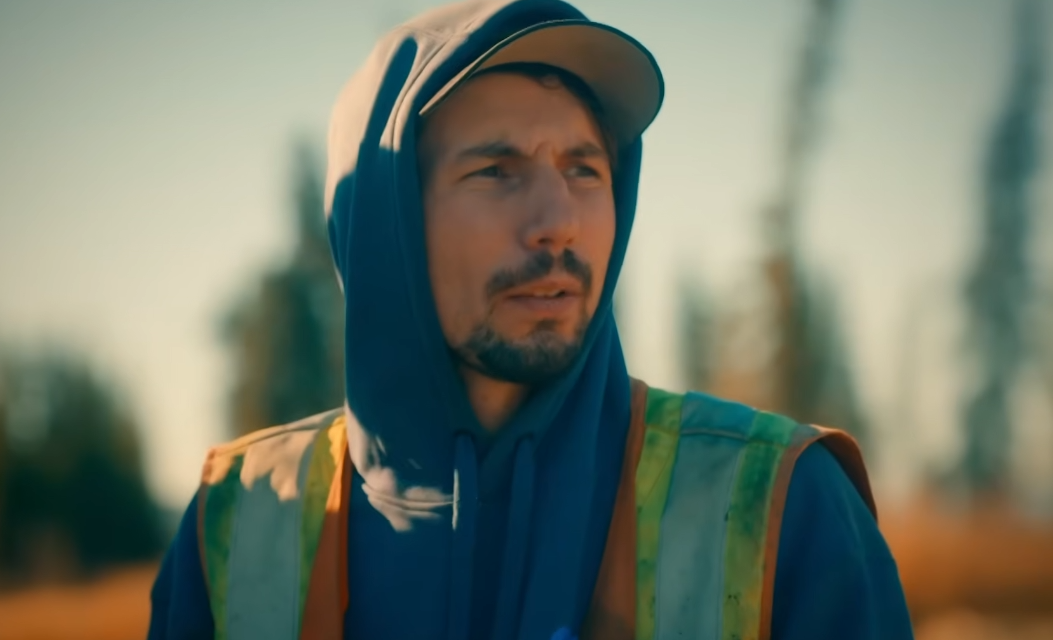
Crew member Tyson Lee took on the task of driving the vehicle for the first time through steep and unpredictable Yukon terrain — a decision that added another layer of risk to an already strained operation.
Despite the challenges, the move was completed, allowing mining operations to continue with minimal downtime.
Salvaging What Was Left of the Season
Once Bob was operational, the crew focused on extracting whatever remaining value they could from partially thawed ground. Late-season conditions meant that only the edges of some cuts were accessible, but even limited thaw opened the door to valuable pay dirt.
The results, however, began to exceed expectations.
The Bridge Cut’s red gravel delivered approximately $250,000 worth of gold, providing an essential financial cushion. But the real breakthrough came from deeper White Channel material — historically richer and more productive ground.
Over multiple runs, the crew recorded strong consistent yields:
- Mid-range runs produced steady outputs in the 120–230 ounce range
- A major push brought a single haul of roughly 290.5 ounces, valued at over three-quarters of a million dollars
These results significantly boosted morale and confirmed that the deeper ground still held substantial value.
Roxanne and Elbow Cut Push the Total Higher
As the season neared its conclusion, attention shifted to additional active cuts.
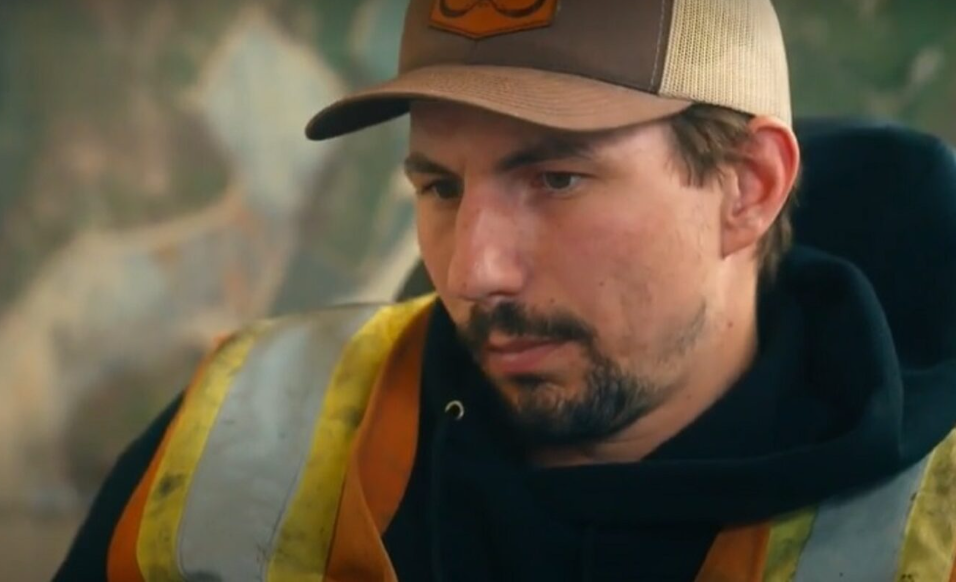
Roxanne delivered approximately 276 ounces, despite frost-related limitations in excavation depth. Meanwhile, Elbow Cut contributed another 282 ounces, reinforcing the idea that even marginal ground could still produce meaningful returns when processed efficiently.
These late-season contributions proved critical in stabilizing the overall season performance.
Final Season Total: 6,088.2 Ounces
When all cuts were accounted for, Parker Schnabel’s crew closed the season with a total of 6,088.2 ounces of gold.
While the number represents a strong operational outcome, it also reflects the volatility of Yukon mining — where mechanical failure, weather constraints, and geological uncertainty constantly reshape outcomes.
The season ultimately became a demonstration of adaptability. From the collapse of Big Red to the rapid redeployment of equipment and personnel, the operation survived by making fast, high-stakes decisions under pressure.
A Business Built on Risk and Precision
Schnabel’s mining philosophy has always balanced ambition with calculation. This season reinforced that reality more than ever. Every ounce recovered came at the cost of logistical complexity, mechanical stress, and constant risk assessment.
Yet in the end, the team’s ability to pivot — and keep moving gold despite setbacks — ensured a strong finish in one of the most demanding environments in the mining world.
As winter settles over the Yukon, the 6,088-ounce milestone stands as both a success and a reminder: in gold mining, survival is never guaranteed, but adaptability is everything.