A disastrous start at Gold Rush: Parker’s new team member suffers a disaster on his first shift at the gold mine.
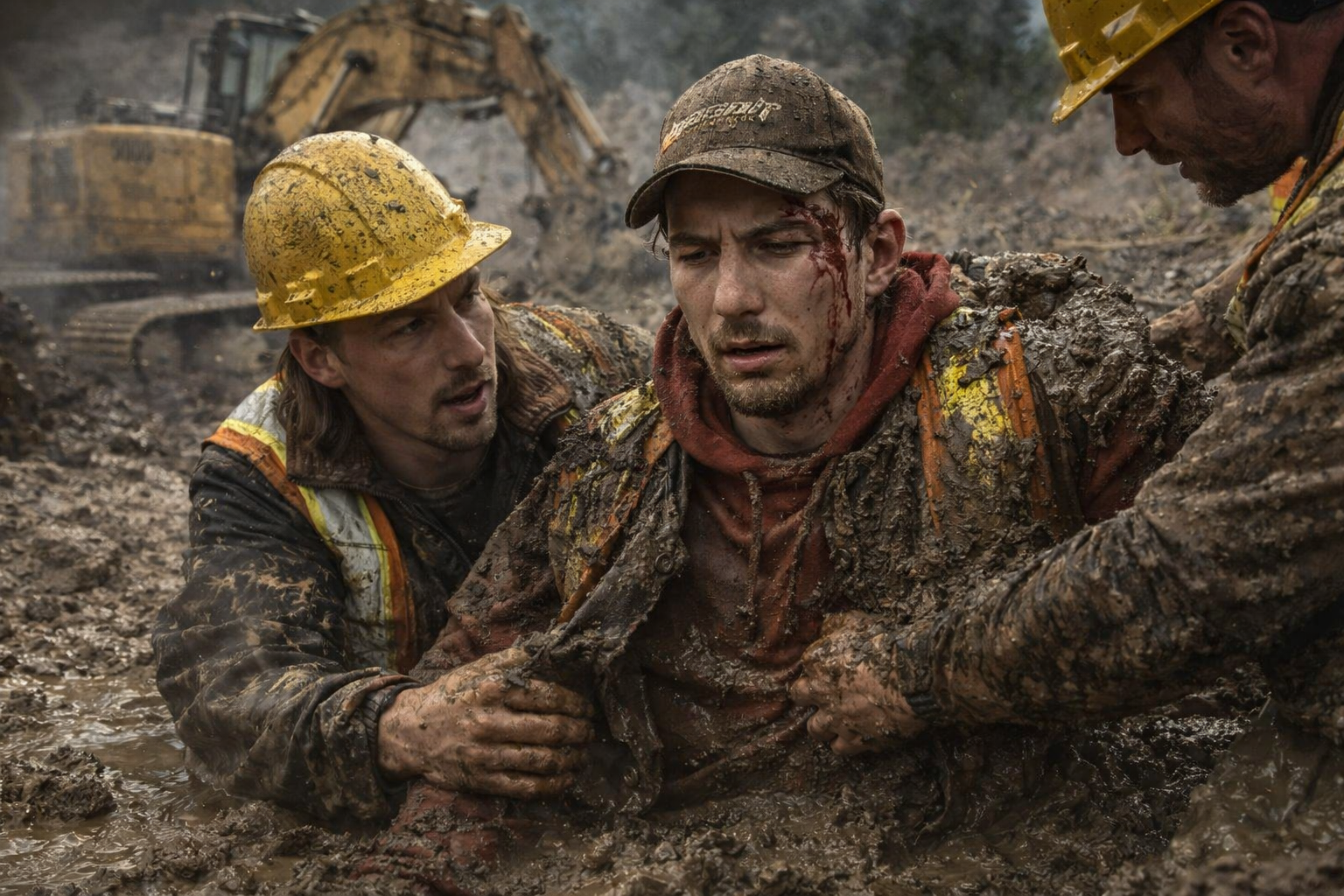
In a demanding stretch at Scribner Creek, tensions, rapid decisions, and unexpected setbacks have defined the early days of a new shift under Kevin Beets. The operation, already running under the pressure of constant production targets, saw a newly hired worker, Taven Peterson, experience a dramatic first night that quickly turned into a test of both discipline and endurance. What began as an attempt to prove himself on the wash plant soon escalated into a shutdown that forced immediate intervention from the crew.
The situation unfolded when a large rock managed to bypass the grizzly system, a crucial protective barrier designed to prevent oversized material from entering the wash plant. As the blockage brought operations to a halt, experienced crew members, including Chelsea March and Tyler Potter, were called in to resolve the issue. Working against time, the team engineered a manual recovery method using chains and hydraulic force to dislodge the obstruction and restore production flow.
Despite the chaos, the crew managed to bring the system back online after significant effort. The incident highlighted both the vulnerability of aging equipment and the importance of coordination in high-pressure mining environments. While the shutdown was temporary, it underscored how a single mechanical failure can disrupt an entire operation that depends on 24-hour continuity.
FIRST NIGHT ON THE JOB TURNS INTO A HIGH-STRESS LESSON IN REAL-WORLD MINING OPERATIONS
For Taven Peterson, the first shift was meant to be an opportunity to prove reliability within Kevin Beets’s crew. Instead, it became a rapid-fire lesson in expectations, communication, and the unforgiving pace of industrial mining. Earlier tensions between Taven and senior leadership escalated after concerns were raised about attitude, decision-making, and workflow discipline.


A disagreement over approach and execution led to his dismissal from a previous crew position under Parker Schnabel’s operation before he transitioned into a new role. In the mining world, where efficiency and chain-of-command discipline are critical, even small misalignments can quickly become operational risks. This context shaped the tone of his introduction into the new team, where expectations were already high.
Once assigned to night shift duties, Taven expressed determination to adapt and contribute meaningfully. He described a strong desire to remain in the mining industry, emphasizing commitment to learning and proving himself within a structured team environment. However, the intensity of the environment became immediately apparent when equipment failure placed him directly in the center of a major operational disruption.

MECHANICAL FAILURE, TEAM RESPONSE, AND A STRONG GOLD RETURN HIGHLIGHT A PRODUCTIVE BUT CHALLENGING CYCLE
The blockage at the wash plant originated when a large rock passed through worn grizzly bars, a sign of long-term mechanical strain on the system. These bars are designed to filter out oversized material, but repeated stress and deformation created vulnerabilities that allowed the rock to slip through and jam the hopper area.
The crew’s response was both improvised and efficient. By digging beneath the obstruction, threading chains through structural points, and leveraging hydraulic lift from the grizzly system itself, they managed to free the rock without causing permanent damage to the plant. Once cleared, operations resumed, reinforcing the team’s ability to adapt under pressure.
Despite the disruption, production results from the period were notably strong. A two-week gold weigh-in revealed a total of approximately 245 ounces, marking a significant output milestone for the operation. With gold prices remaining high, this haul represented an estimated value of around $876,000, reinforcing the financial importance of maintaining even short windows of uninterrupted operation.
The broader context of the season shows an operation running near peak performance levels. Under the leadership of Kevin Beets, the crew has been pushing for consistency across shifts, balancing equipment reliability issues with the need for continuous throughput. The latest results marked one of the strongest performance cycles of the season so far.
Industry observers note that such outcomes are typical in high-volume placer mining operations, where short-term setbacks are often offset by large-scale returns when systems run smoothly. Even with occasional breakdowns, disciplined recovery and rapid problem-solving remain essential to maintaining profitability.
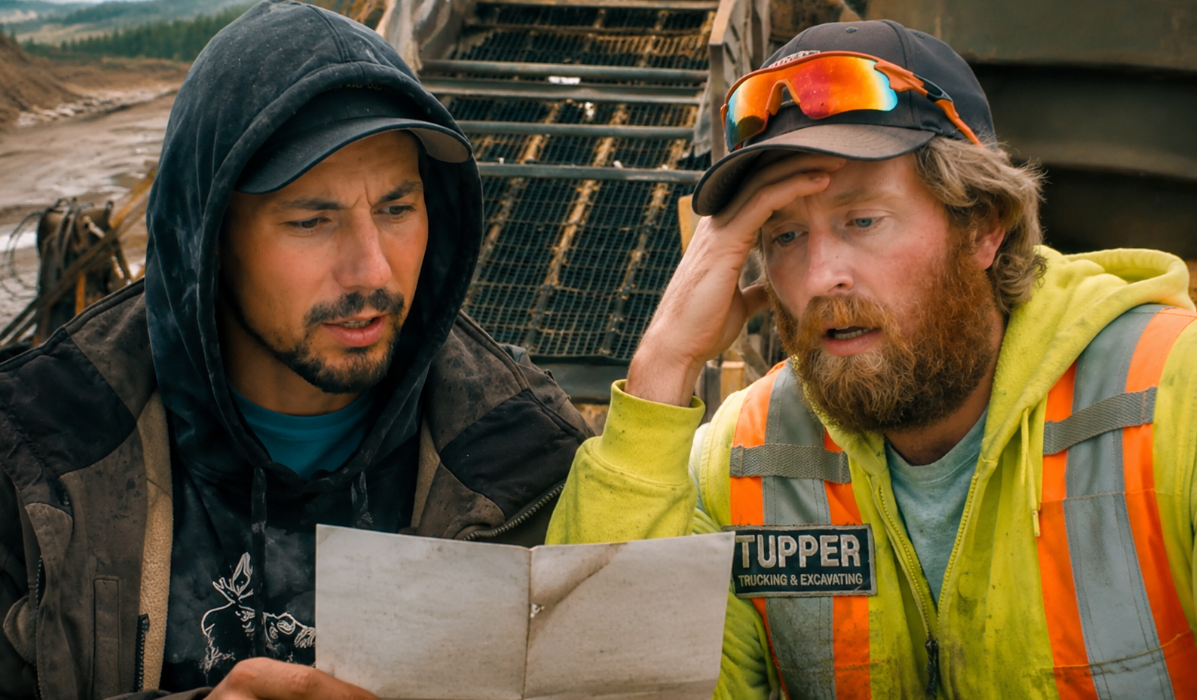
RECORD OUTPUT AND SEASON MOMENTUM BUILD PRESSURE FOR CONSISTENT PERFORMANCE
As the dust settles on the latest operational cycle, attention now turns to sustaining momentum. The combination of mechanical strain, new personnel integration, and production demands continues to define the rhythm of the season at Scribner Creek. While the incident involving the wash plant blockage highlighted vulnerabilities, it also demonstrated the resilience of the crew structure when faced with unexpected challenges.
With gold production reaching over 200 ounces in a single cycle and total seasonal earnings climbing past significant financial milestones, the operation under Kevin Beets remains firmly in a high-output phase. The results not only reinforce the effectiveness of the current mining strategy but also raise expectations for the remainder of the season.
For now, the focus remains unchanged: keep the plant running, manage the risks, and maximize every ounce of gold recovered from the ground.