Oak Island Team Closes In on 1861 Search Shaft as New Evidence Revives Treasure Hopes
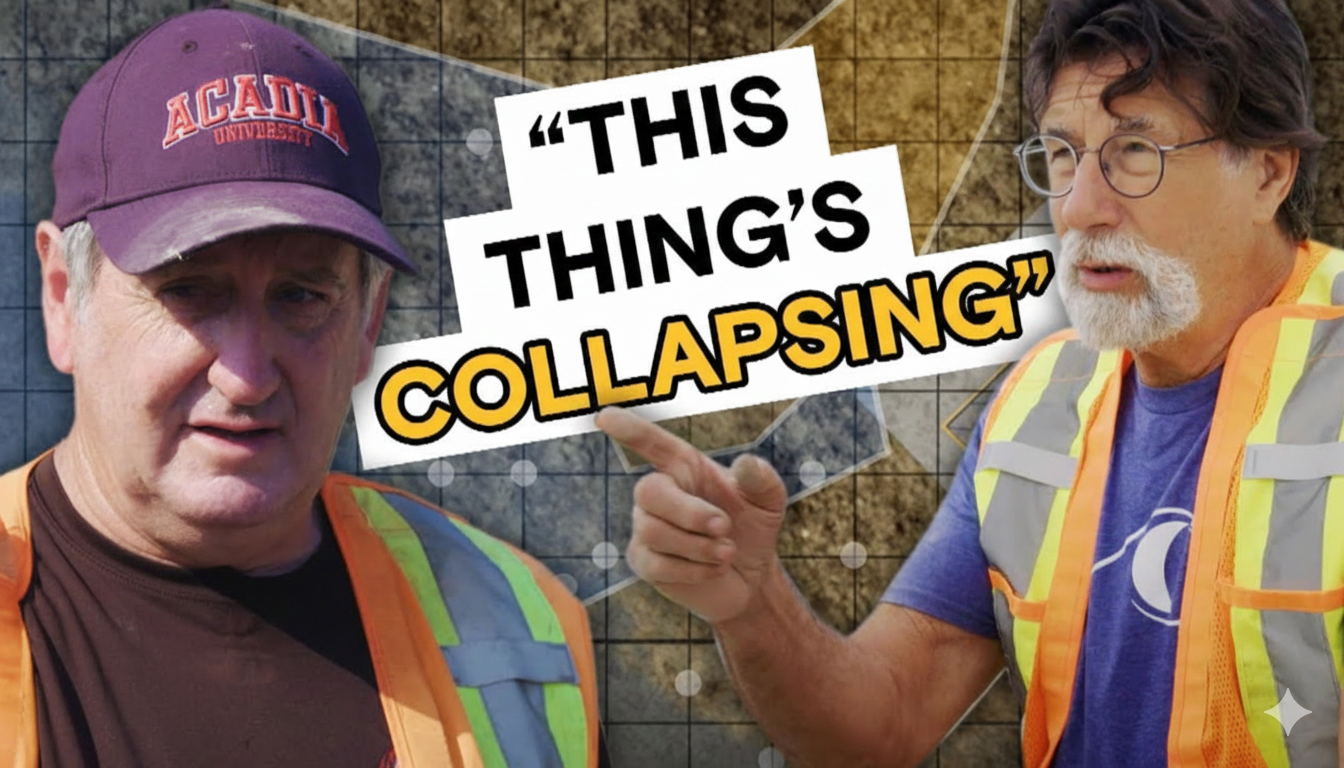
For more than two centuries, the world has watched Oak Island with fascination, speculation, and no shortage of frustration. But in Season 13’s latest chapter, renewed optimism has swept across the Money Pit area as Rick and Marty Lagina and their team attempt to intercept one of the island’s most important historical structures: the long-lost 19th-century Shaft Six and the tunnel believed to contain debris — and perhaps valuables — from the original Money Pit collapse of 1861.
What unfolded across the dig site was a rare blend of historic confirmation, scientific discovery, and emotional stakes, as the team hunted for any trace of the two legendary treasure chests reportedly drilled into by the Oak Island Association more than 160 years ago.
Hopes Rise as RP-2 Reaches Critical Depth
The morning began with a noticeable sense of anticipation. The RP-2 caisson, drilled just northeast of last week’s promising shaft RP-1, had reached a depth of 105 feet — only metres away from where records indicate the 1861 tunnellers approached the Money Pit from below.
“We’re getting close to the tunnel,” Rick Lagina said, watching the excavation closely. “It’s somewhere between 112 and 120 feet. Certainly.”
RP-1 had already ignited excitement after producing iron straps, a 17th-century pipe stem, and fragments of timber that strongly suggested the team had reached the Shaft Six tunnel. But RP-2 was designed to go one step further — into the exact area where the debris field from the two collapsed treasure chests was believed to have settled.
“We should see a lot of wood,” surveyor Steve Guptill noted. “But what we’re really hoping for is something from the tunnel itself — coins, chest fragments, anything.”
A Barrel Stave Sparks New Theory
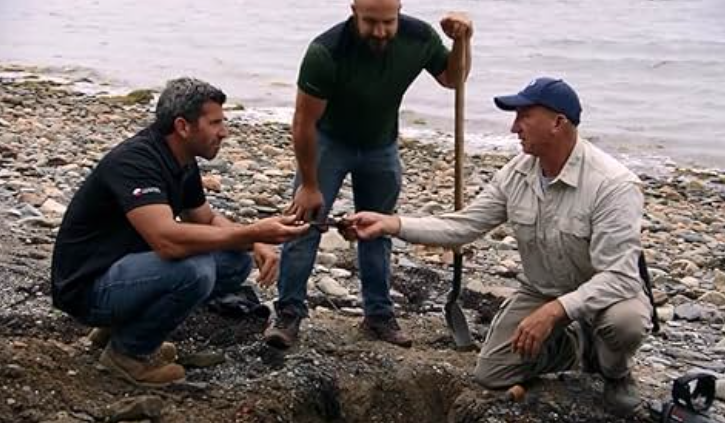
As the caisson advanced, the first major find emerged: a large piece of adze-cut timber, indicating hand-crafted construction predating mechanized saws of the late 18th century. But the bigger surprise followed moments later.
“That’s a barrel,” Gary Drayton said instantly, lifting a curved wooden fragment with visible shaping.
“A barrel stave,” agreed geologist Terry Matheson. “This fits the narrative perfectly.”
The mention of a barrel is significant. Historical accounts describe that during the catastrophic collapse of the original Money Pit in 1861, a worker retrieved the top of a wooden keg moments before he escaped the flooding shaft. Many researchers have suggested that valuables — possibly coins — could have been stored in barrels rather than chests.
This barrel stave discovery is the strongest physical support yet for that long-held theory.
Pressure Spike Raises Expectations — Before Reality Sets In
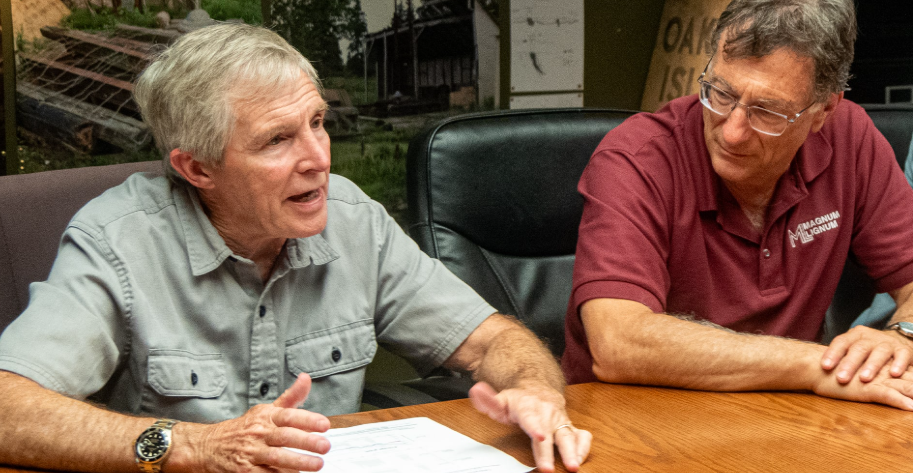
Midway through the dig, the team encountered a sudden change in oscillator pressure. The teeth were cutting through something harder than the surrounding material.
“It jumped from 130 to 160,” reported driller Lee Lamb. “Feels like we’re cutting into something significant.”
For a brief moment, the site fell into a tense silence. Was this the long-awaited breakthrough?
But once the cuttings were screened and the spoils examined, the excitement faded. The material became dry, compacted, and untouched — signs of undisturbed, natural soil.
“We’re into in situ,” Terry cautioned. “No large debris, nothing that would have fallen into the tunnel.”
Rick sighed heavily. “Where’s the coinage?” he asked. “It’s certainly not here.”
The answer became unavoidable: RP-2 had missed the treasure debris by mere feet.
A Discouraging Turn — and a Renewed Resolve
Despite the setback, the team took comfort in one crucial fact: their historical reconstruction was accurate. Both shafts RP-1 and RP-2 produced materials consistent with early Money Pit structures. They had indeed located Shaft Six and part of the tunnel system.
“We proved the narrative,” Rick told the team. “There’s no way to argue that.”
But proving history and recovering treasure are two very different goals. And RP-2 had not delivered the one thing Rick Lagina has openly sought for years — definitive proof that treasure once lay, or still lies, below the Money Pit.
Even so, giving up was never an option.
“I want one more go at this,” Rick said plainly. “We need to set the next can directly over the tunnel. It’s imperative.”
Marty Beets agreed without hesitation.
“The obvious conclusion is we’re not done,” he said. “If RP-2 found original Money Pit material but not treasure, then one more caisson closer might be the one.”
What Comes Next for the Money Pit?
The decision is now clear: a third caisson will be positioned with even greater precision, based on the alignment of Shaft Six, historical maps, and the finds from RP-1 and RP-2.
The team believes they are chasing a very narrow corridor — one formed when the 1861 tunnel collapsed, dragging chests, barrels, and other material into a concentrated debris field.
Miss it by a metre, and the shaft returns only natural soil. Hit it directly, and the team could uncover one of the most significant finds in Oak Island history.
A Critical Moment for Season 13
While the RP-2 shaft did not produce treasure, it reinforced hope rather than diminished it. Both the barrel stave and the adze-cut wood point convincingly to the 19th-century descriptions. More importantly, the team now has strong evidence they are within metres of the original deposit point.
Rick’s closing words captured the sentiment shaping Oak Island’s current chapter:
“You hitch up your boots, you get stuck in, and you move forward.”
With another caisson planned — and the tunnel now more clearly mapped — the stage is set for what may become the defining dig of Season 13.