Oak Island’s Medieval Secrets: Episode Three Uncovers Roman Coin, Templar Clues, and a Mysterious Geological Void
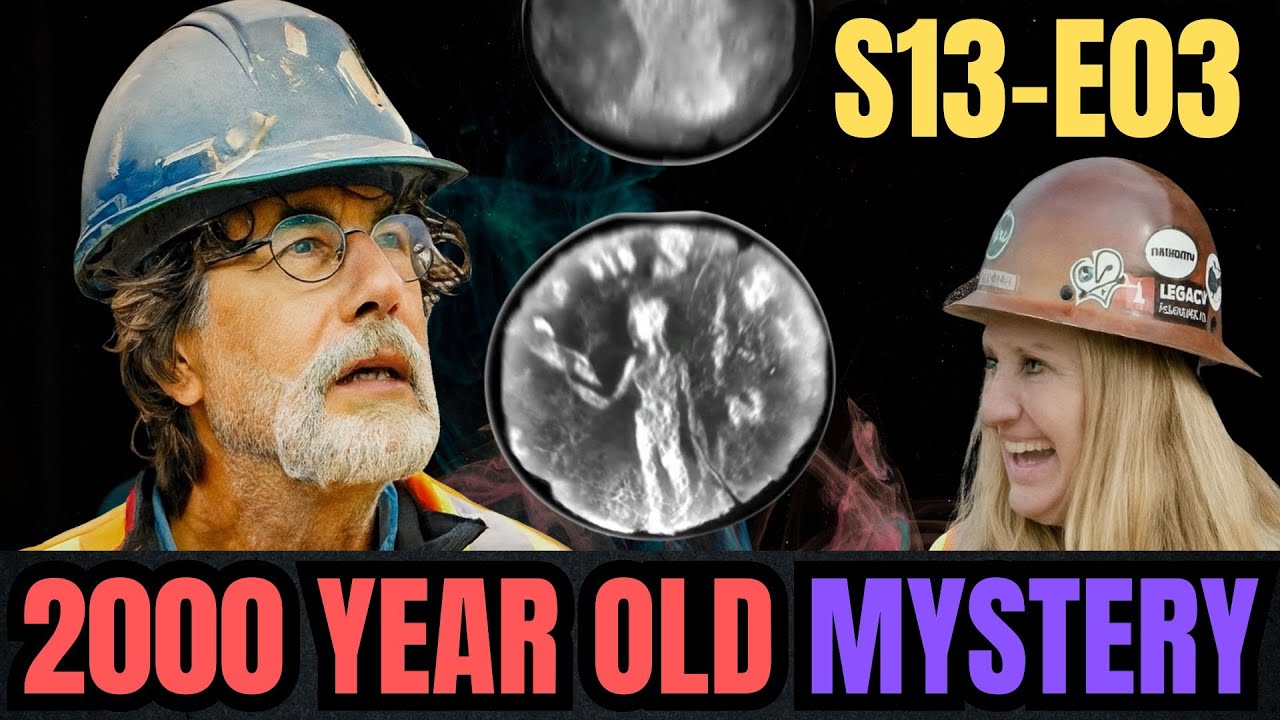
The search for answers on Oak Island has taken a dramatic turn in Season 13, Episode 3 of The Curse of Oak Island, titled “Medieval Intentions.” What unfolds is one of the most consequential episodes in recent memory—an instalment that not only accelerates the treasure hunt, but also raises questions that reach far beyond the island’s shores. With discoveries spanning from Roman antiquity to medieval engineering, the Oak Island team finds itself confronting evidence that could challenge the established timeline of North American history.
A Roman Coin That Changes Everything
The episode begins with a scientific revelation. A coin found on Lot 5—already suspected to be Roman—is confirmed beyond doubt. Using XRF (X-ray fluorescence) and CT scanning, archaeometallurgist Emma Culligan identifies the alloy composition as consistent with ancient Roman metallurgy. The scans reveal unmistakable features: workshop markings, inscriptions, and a portrait aligning with Emperor Claudius II, who reigned from AD 268–270.
The team is astonished. Roman-era artifacts are virtually unheard of anywhere in Nova Scotia, yet Lot 5 has now produced six such coins, all from the same century. Coin expert Sandy Campbell states plainly that the object is authentic and nearly 1,750 years old.
The find deepens when metallic analysis shows the Roman coin shares elemental similarities to the Portuguese pilgrim’s token discovered earlier this season. Though separated by a millennium, both artifacts point to an extraordinary possibility: multiple cultures may have visited, worked on, or utilized Oak Island long before the Money Pit’s discovery in 1795.
For the Lagina brothers, the implications are profound. The coins may be more than artifacts—they could be the belongings of individuals involved in constructing or concealing whatever lies below the Money Pit.
The Swamp Reveals New Clues
While Lot 5 delivers historical shocks, the swamp—always one of Oak Island’s most enigmatic locations—returns to prominence.
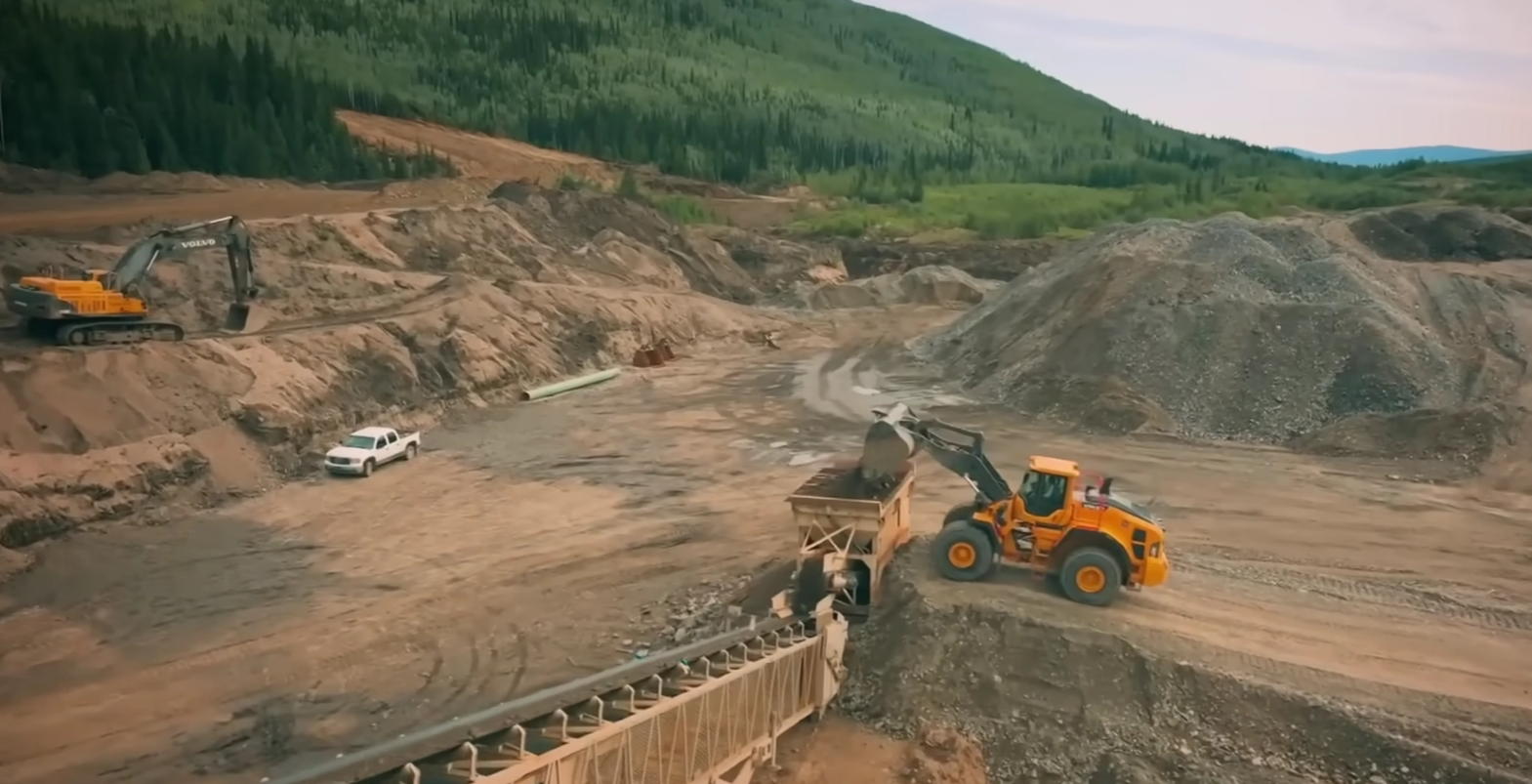
Surveyor Steve Guptill identifies a previously unexplored region on the western edge of the swamp, situated only 180 feet from the 13th-century stone roadway discovered in previous seasons. The team begins excavation and immediately uncovers sharpened wooden stakes, carved by axe rather than saw. Carbon dating of similar stakes from earlier episodes placed them between the 1630s and 1700s.
This new pattern suggests human activity over centuries, not random debris. The stakes appear arranged with intent, hinting at pathways or structures used to transport material—possibly heavy cargo.
“If you understand the totality of the work in the bog,” Rick Lagina remarks, “you can apply possible connections to the Money Pit.” His words take on added meaning as the excavation continues.
Lot 5 Becomes a Historical Crossroads
Only metres from the Roman coin site, a rounded shoreline feature yields further evidence of sustained activity. Archaeologist Fiona Steele recovers a pipe stem dated between 1753 and 1800, aligning perfectly with the pre-Money Pit era. Soon after, pieces of a glazed 17th-century earthenware bowl appear—clear signs that someone cooked and lived in this area long before any historical settlement was recorded.
The presence of Venetian-style glass beads introduces another layer of intrigue. XRF tests identify them as likely trade beads from the period when the Knights of Malta held influence. Historical records confirm that members of the Knights of Malta operated in Nova Scotia during the 1600s, led by French commander Isaac de Razilly. His headquarters sat just 15 miles from Oak Island in 1632.
If the beads match specimens from Fort Point, it would be the strongest evidence yet connecting Oak Island to European military orders often theorised to be successors of the Knights Templar.
The Money Pit: A Void That Should Not Exist
Scientific surprises continue beneath the Money Pit itself. Borehole J-58.5 is drilled to depths exceeding 228 feet without encountering bedrock—an anomaly that defies the known geology of the island. Instead, a 30-foot void of loose material is detected, and the drill rods freefall up to 15 feet at a time.
Geologist Terry Matheson believes this could be part of a collapse zone, possibly associated with the infamous “treasure fall through” event described by 19th-century searchers. The theory suggests that heavy objects—possibly chests or metalwork—may have sunk into the solution channel over time. If so, the team may be approaching the deepest and most undisturbed section of Oak Island’s subterranean engineering.
“We’re going to be the first people to look at it,” Rick says, acknowledging both the scientific and symbolic weight of the moment.
A Templar Echo on Lot 4
As if the episode needed further surprises, metal detection on Lot 4 uncovers a small strip of lead with a drilled hole. The shape closely resembles fragments associated with medieval lead crosses—particularly the famous cross discovered at Smith’s Cove in 2017. Early inspection suggests both artifacts may have originated from the same workshop or cultural tradition.
Gary Drayton’s reaction captures the moment: “We could be in Templar country.”
With Lot 5 producing Venetian beads, Roman coins, medieval pottery, and now a cross-like lead fragment, the possibility of Oak Island as a multi-phase site used by Europeans centuries apart grows increasingly plausible.
A Mystery Growing Larger, Not Smaller
Episode 3 offers no easy answers. Instead, it widens the historical lens. Roman artifacts from AD 270. Portuguese coinage from the 1300s. Maltese beads from the 1600s. Pipe stems from the 1700s. And a 30-foot geological void beneath the Money Pit that may conceal the island’s ultimate secret.
The narrative is no longer one of a single treasure deposit. It is increasingly the story of a location used strategically over centuries, perhaps by groups whose identities remain unknown.
As Rick Lagina says in the closing moments, “We mustn’t give up.” And after these discoveries, it is clear they will not.