A Surprising Discovery Emerges During Oak Island’s Most Ambitious Swamp Dig Yet
A major new phase of investigation is under way on The Curse of Oak Island as the team deploys one of the largest machines ever used in the swamp, renewing long-standing questions about whether the area was artificially created centuries ago.
In the latest excavation effort, Rick and Marty Lagina, joined by historian Charles Barkhouse, equipment operator Billy Gerhardt, and metal-detection expert Gary Drayton, oversaw the arrival of a 35-ton long-reach excavator capable of extending nearly 80 feet into the swamp. The machine allows the team to dig far deeper and farther than previously possible, opening layers that have remained untouched throughout decades of exploration.
Standing beside the towering excavator, the scale of the operation was immediately apparent. As the boom swung into position, even seasoned crew members noted how different the swamp looked when approached with industrial-grade reach and depth. For the team, this was not simply about moving more earth, but about testing a theory that has shaped Oak Island research for years.
At the center of that theory is the late Fred Nolan, who long argued that the swamp was not a natural formation, but a man-made feature created to conceal or support maritime activity. Nolan believed the area once functioned as dry land and may have been altered deliberately, possibly to hide evidence of ships or large-scale operations.
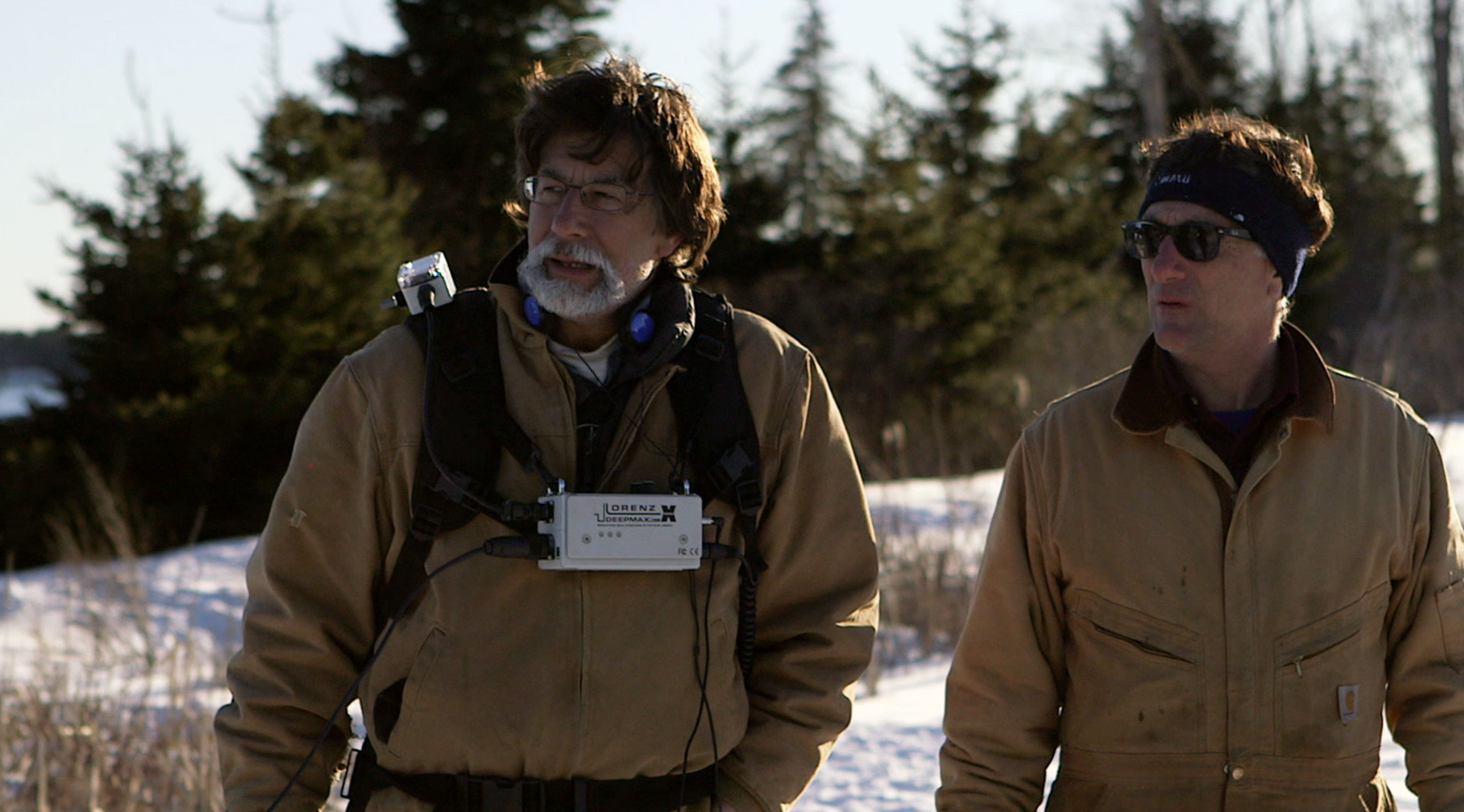
As digging began, Marty Lagina used a smaller excavator to manage water flow, keeping trenches clear as Billy Gerhardt worked the long-reach machine into deeper layers. The coordination allowed Gary Drayton to scan the removed material for metal objects or anomalies that might offer further clues.
The team has already recovered multiple wooden items in past seasons, many of which appeared inconsistent with a natural wetland environment. These earlier finds raised the possibility that ship components or construction materials could be present beneath the mud.
“We’ve found items that, from a layman’s perspective, appear connected to ships or shipbuilding,” one team member explained during the excavation. “If there was a ship here, then we want evidence. We want to prove it.”
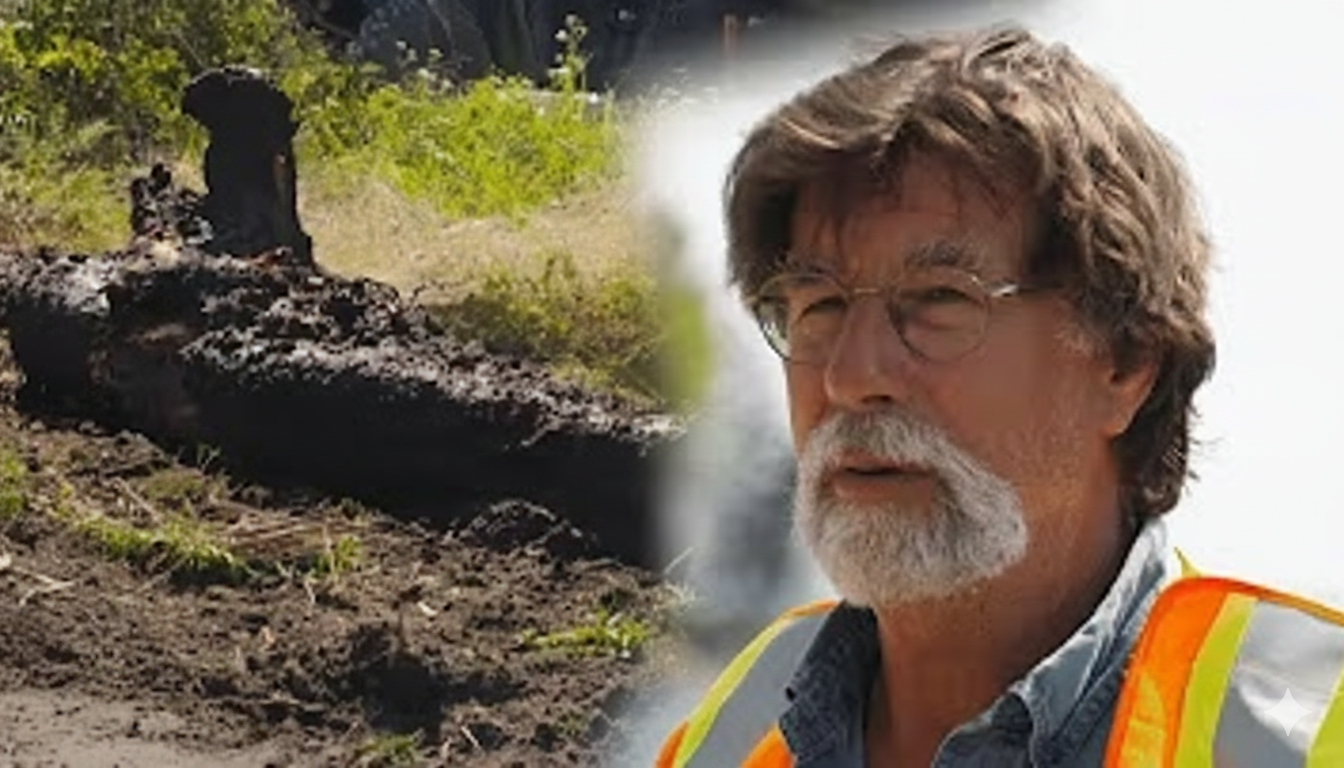
That evidence may have taken a significant step forward when excavation uncovered what appeared to be a large oak tree stump buried several feet below the surface. The discovery immediately drew attention, not because tree remains are rare, but because oak trees do not grow naturally in standing water.
The stump was found approximately four to six feet down, beneath layers of organic material that now form the swamp floor. Its size and condition suggested it had once grown in dry land, supporting the argument that the swamp environment formed later.
Rick Lagina was quick to point out the implications. A tree of that size, he noted, could not have rooted itself in a wetland. If the stump is indeed oak, it would indicate that the area was once forested before being submerged or altered.
“That says something about this area originally being dry land,” Rick explained. “Then somehow, several feet of material built up over it, and it became a wetland.”
Charles Barkhouse echoed the significance of the find, suggesting that proper dating of the stump could provide a timeline for when the swamp transitioned from forest to waterlogged ground. If the tree can be accurately aged, it may help determine when major changes occurred on the island.
“If that’s the root, you date it first,” Barkhouse said. “Then you build your interpretation from there.”
The team discussed how a precise age could allow researchers to reconstruct what Oak Island may have looked like hundreds of years ago. Such a reconstruction could help explain other features discovered across the island, including roadways, wharf-like structures, and unusual alignments that have puzzled investigators.
For supporters of Nolan’s theory, the stump represents another piece in a growing body of evidence suggesting deliberate human activity on a large scale. While the team remains cautious, they acknowledge that each find adds context rather than standing alone.
Importantly, no one involved claimed the discovery confirms the presence of a hidden ship or buried valuables. Instead, the focus remains on establishing how the swamp was formed and used. Marty Lagina stressed that proof must come from cumulative evidence rather than speculation.
“I don’t know that there’s a treasure chest sitting down there,” Marty said. “But if there was a ship, then we should be able to find evidence of it.”
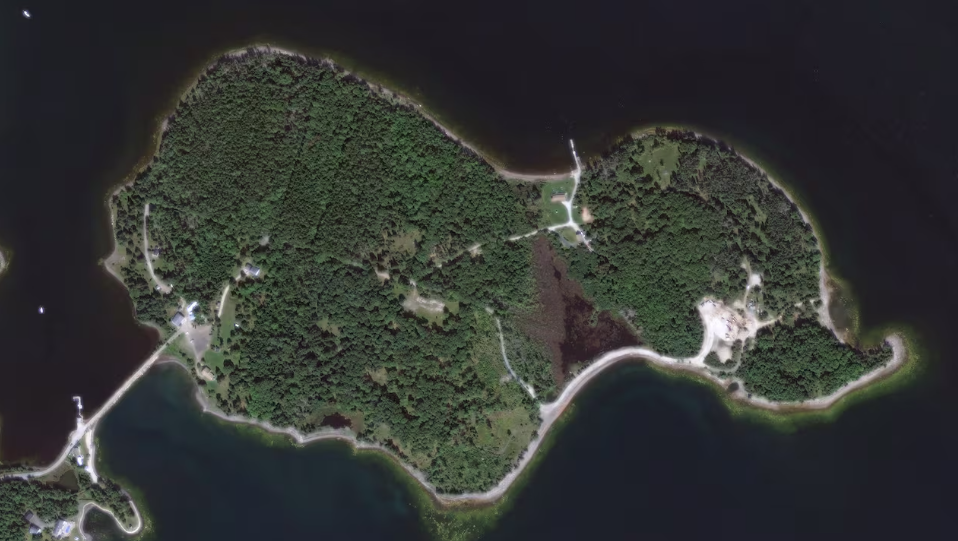
As excavation continued, water management became increasingly difficult, with trenches quickly silting up. The crew adjusted their approach, redirecting water and clearing channels to keep digging viable. Despite the challenges, spirits remained high as deeper layers came into view.
The use of the long-reach excavator marks a shift in strategy. Rather than relying solely on drilling or small-scale digging, the team is now physically reshaping parts of the swamp to expose its structure. This allows for direct observation of layers, materials, and anomalies that technology alone might miss.
Whether the oak stump ultimately proves the swamp was artificially created remains to be seen. What is clear, however, is that the find strengthens the case for continued investigation. It offers a tangible data point that can be tested, dated, and analyzed by experts.
As the season progresses, viewers can expect further analysis of the stump and any additional discoveries uncovered by the deeper excavation. For now, the swamp has once again taken center stage, offering fresh questions and the possibility of answers rooted not in legend, but in the physical history beneath Oak Island’s surface.