Oak Island Season 13 Finale Reframes 200-Year Mystery as Team Uncovers ‘Sanctuary Marker’
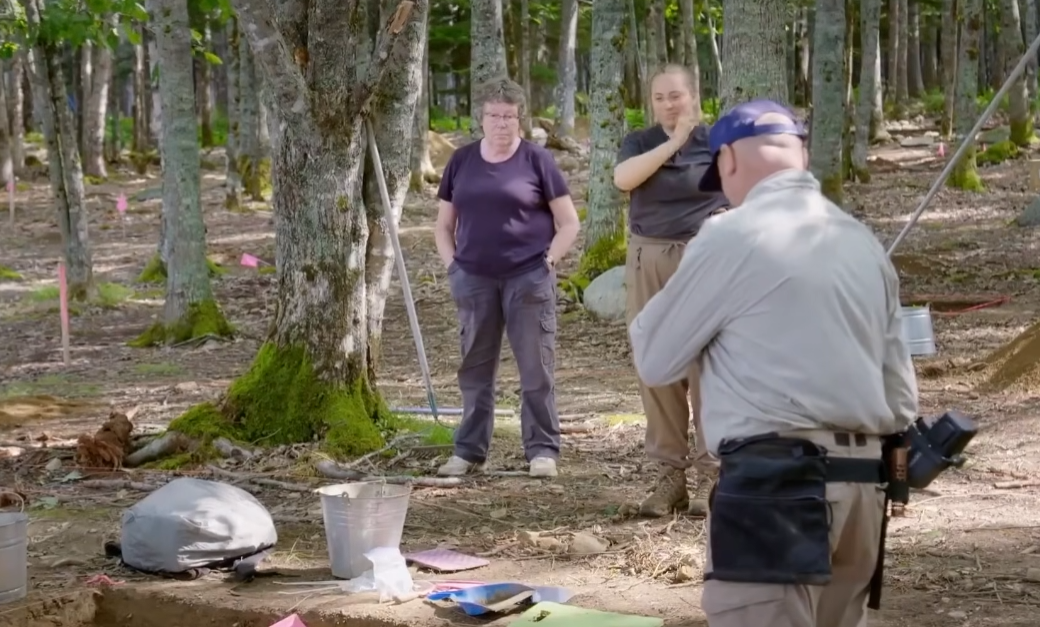
For more than two centuries, Oak Island has been synonymous with buried treasure — pirate gold, royal jewels and even lost manuscripts. But as Season 13 of The Curse of Oak Island drew to a close, the narrative may have shifted dramatically. According to the Lagina brothers and their team, the latest discovery suggests the island may never have been about treasure at all.
Instead, it may have been about protection.
A Void Beneath the Bedrock
The turning point came during the final episodes of the season, when a new mega-caisson shaft — nicknamed “Cerberus” — reached approximately 200 feet below the surface. Unlike previous drill sites that encountered natural limestone voids known as solution channels, this time the team’s advanced sonic drilling equipment detected something different: a structured cavity embedded within the bedrock.
A fibre-optic camera was lowered into the anomaly. What appeared on screen stunned the team gathered in the war room.
Rather than fractured rock or debris from previous searchers, the cavity appeared lined with smooth, dark stone slabs. On-site geologists immediately noted a critical detail: the material resembled basalt, a volcanic rock not native to Nova Scotia. If confirmed, the implication would be significant — basalt would have had to be transported to the island centuries ago.
Embedded within one wall was a circular metal plate composed of what experts believe may be a sophisticated alloy such as electrum or tumbaga — metals historically associated with ceremonial or symbolic use. Surrounding the plate were intricate carvings: celestial bodies, geometric shapes and a distinctive cross enclosed within a structure.
According to Dr. Alistair Finch of Cambridge University, consulted during the episode, the symbols appear deliberate and codified rather than decorative.
“These are not random markings,” Finch reportedly observed. “They follow a pattern consistent with symbolic shorthand used by lesser-known medieval groups.”
The Templar Question Revisited
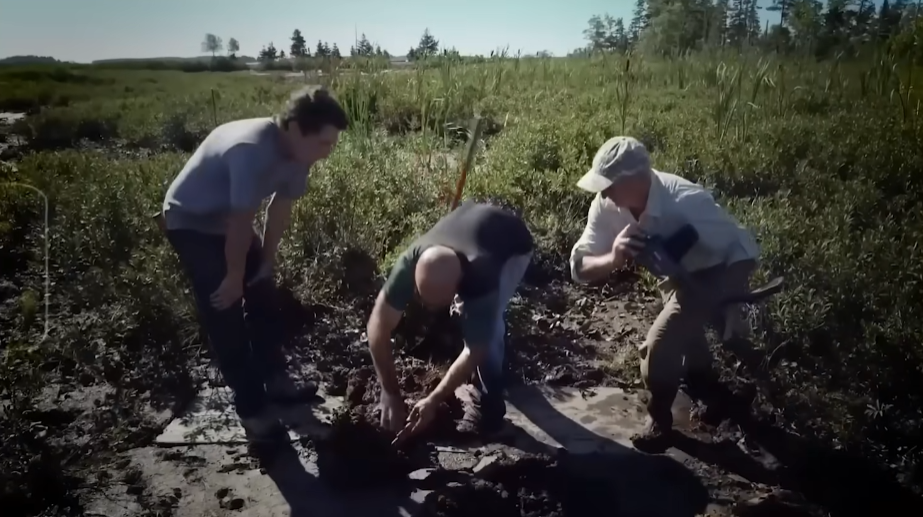
The carvings have reignited long-standing theories linking Oak Island to the Knights Templar. Historical accounts record that in 1307, as King Philip IV of France ordered the arrest of Templar members, ships departed from the port of La Rochelle under mysterious circumstances. Some researchers have speculated that relics, documents or sacred objects were relocated to undisclosed destinations.
A lesser-documented splinter group sometimes referred to as the Order of the Sacred Covenant has featured in fringe historical discussions. While mainstream historians remain cautious about direct links to North America in the early 14th century, the chamber’s apparent age and complexity have revived debate.
Rick Lagina, who has devoted over a decade to the search, appeared visibly moved during the season finale.
“We’ve found the X that doesn’t mark the spot, but shows us where the real spot is,” his brother Marty Lagina remarked during the closing war room discussion.
Rethinking the Money Pit
Perhaps the most striking implication is not the existence of the chamber itself, but what it suggests about previous excavation strategy.
For twelve years, the team has focused heavily on the so-called Money Pit, widely believed to conceal a treasure vault. Millions of dollars have been invested in drilling operations targeting vertical shafts and flood tunnels thought to guard buried wealth.
However, structural alignment data from Season 13 indicate that underground features may follow patterns more consistent with European military or defensive engineering than storage vault construction.
If experts are correct, the Money Pit may have functioned not as a treasure chamber but as a hydraulic decoy — a complex system designed to misdirect or protect something located elsewhere on the island.
In that scenario, a decade of digging would not have been misguided, but incomplete.
A Shift in Strategy
As the season concluded, the Lagina team outlined a strategic pivot. Rather than focusing exclusively on deep vertical shafts, they plan to expand lateral exploration using what they call the “Honeycomb Method” — a network of interconnected boreholes intended to map structural alignments more comprehensively.
The approach acknowledges a broader possibility: that Oak Island may represent an engineered landscape rather than a singular buried chest.
Industry observers caution that further geological verification is essential. Basalt identification, metallurgical testing of the embedded plate and independent dating of materials will be required before any historical conclusions can be confirmed. Critics have also noted that previous seasons have produced anomalies later attributed to natural formations or historic searcher activity.
Nevertheless, even sceptics acknowledge that the chamber footage marks one of the series’ most visually compelling discoveries.
Beyond Gold
If Season 13 has reframed the Oak Island narrative, it is by expanding the scope of inquiry beyond precious metal.
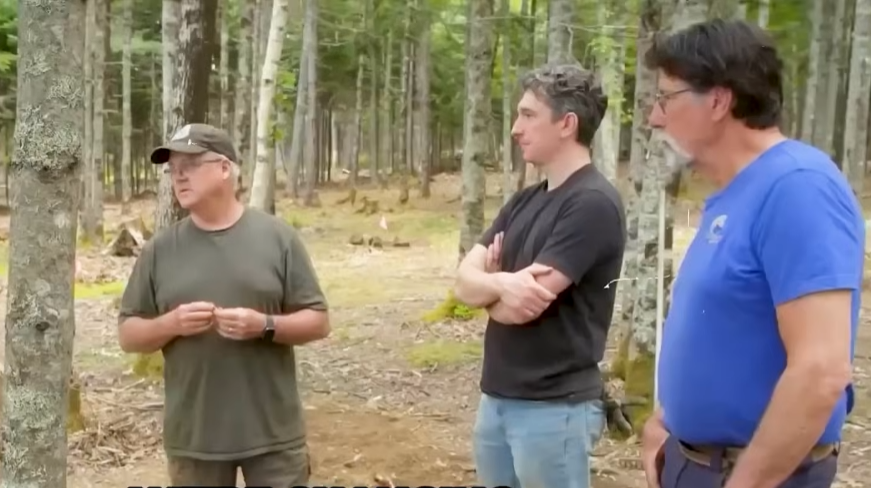
The possibility that the island functioned as a repository for knowledge — navigational charts, religious relics or archival material — transforms the stakes. Rather than a hunt for wealth, the search becomes an investigation into transatlantic history and medieval maritime capability.
For Rick Lagina, the emotional impact was evident. “This is more than treasure,” he said during the episode.
As the cameras cut to black, the message was clear: the island’s mystery is no longer defined solely by what glitters at the bottom of a shaft. It may instead be defined by what was intentionally preserved.
Season 14 will determine whether the basalt chamber is an isolated anomaly or the first page in a much larger historical record buried beneath Oak Island’s soil. What is certain is that after thirteen seasons, the story has shifted from gold to meaning — and that shift may prove more significant than any coin ever recovered.