After 220 years, two brothers finally found the treasure of Oak Island
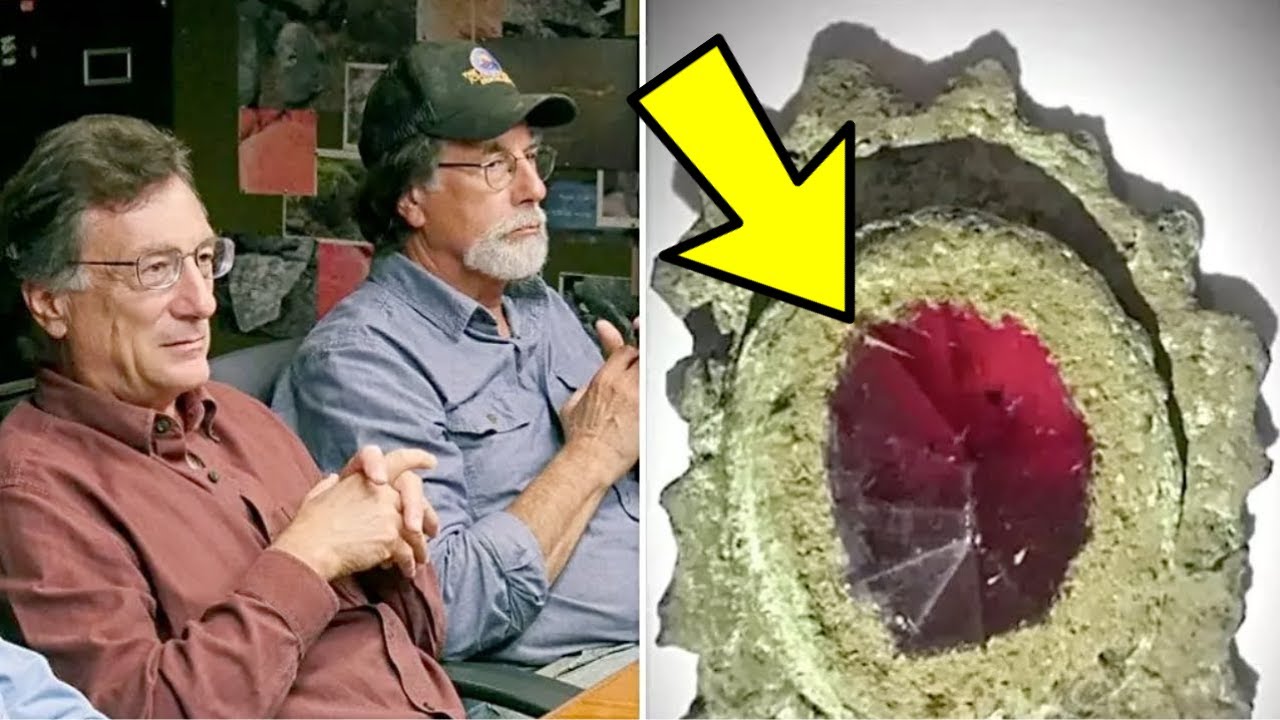
For more than two centuries, Oak Island has been synonymous with unanswered questions, broken fortunes, and stubborn hope. Many who came before left with nothing but debt and disappointment. Yet after years of research, investment, and persistence, Rick and Marty Lagina believe they have brought the island closer than ever to revealing what lies beneath its surface.
The brothers’ journey did not begin with television cameras or outside funding. It began with a lifelong fascination. Rick Lagina, in particular, had been drawn to mysteries since childhood. As a boy in Kingsford, Michigan, he once spent hours digging beneath a granite boulder, convinced something valuable might be hidden below. He found nothing—but the idea never left him. Years later, when the legend of Oak Island resurfaced in his life, he pursued it with the same determination.
Together with Marty, a successful engineer and businessman, Rick decided to take a serious step in 2006 by purchasing a significant share of Oak Island Tours. At the time, Dan Blankenship—a veteran treasure hunter often described as a legend in Nova Scotia—owned the remaining portion. Blankenship had already devoted decades of his life to the island, sacrificing his contracting career and personal fortune in the process. His son David followed him into the search, and together they joined forces with the Lagina brothers.
Early progress was slow. The first two seasons of The Curse of Oak Island, produced after A&E documented their efforts, passed without headline discoveries. Despite modern equipment and expertise, the island resisted easy answers. Water intrusion, unstable shafts, and inconclusive finds echoed the struggles of earlier explorers.
Momentum began to shift in Season 3. While draining a shaft, the team recovered a series of artifacts that raised eyebrows—among them an object resembling a ceremonial Roman sword. The implication was controversial, suggesting possible transatlantic contact long before Columbus. Though debated, the find signaled that Oak Island’s history might be deeper and more complex than previously assumed.
Season 4 expanded the scope further. A hand-drawn copy of an old French map, dated by historian Zena Halpern to around 1647, drew attention due to inscriptions referencing maritime features such as anchors, valves, and hatches. These details prompted speculation about early shipping activity and possible connections beyond Europe. Around the same time, the team recovered what appeared to be a book binding and a fragment of animal-skin parchment dated to the 15th century—an era when literacy and correspondence were limited to the wealthy and powerful.
Such discoveries reinforced the idea that Oak Island had hosted organized, well-funded activity. Over time, the brothers and their team catalogued nearly 600 historical artifacts, ranging from tools and coins to structural remains. Among the most striking finds were human bone fragments, one showing Middle Eastern ancestry and another European. Marty Lagina openly questioned whether these remains could be connected to the Knights Templar, a theory that had long circulated among Oak Island researchers.
The Knights Templar hypothesis gained further traction with the discovery of a small cross dated between 1200 and 1600. Its form and composition suggested symbolism tied to medieval orders. A stone bearing Greek letters added another layer, reminding Rick of markings seen in historical accounts of Templar sites. While interpretations varied—Zena Halpern even proposed a link to the Phoenician goddess Tanit—the artifacts undeniably pushed the timeline back centuries.
Not all theories were universally accepted. Some ideas, including the possibility of gold hidden inside the cross or connections to Marie Antoinette, remain speculative. Yet even skeptics acknowledge that the physical evidence demonstrates sustained human presence and construction on the island.
One of the team’s most important strategic shifts came from Craig Tester, Marty’s longtime friend and drilling expert. Rather than continuously fighting water in the Money Pit, Tester proposed freezing the ground to stabilize excavation—an idea that dramatically improved working conditions and reduced risk.
Metal-detection specialist Gary Drayton also became central to the investigation. Nicknamed the “metal detecting ninja,” Drayton’s experience led to multiple high-profile finds, including coins, tools, and structural components that consistently supported the theory of deliberate engineering beneath the island.
In later seasons, carved stones resembling Roman numerals, tubular metal objects confirmed as man-made, and angled underground structures renewed discussion about the so-called “Chapel Vault”—a legendary chamber long believed to protect something valuable. While definitive proof remains elusive, each discovery narrowed the field of doubt.
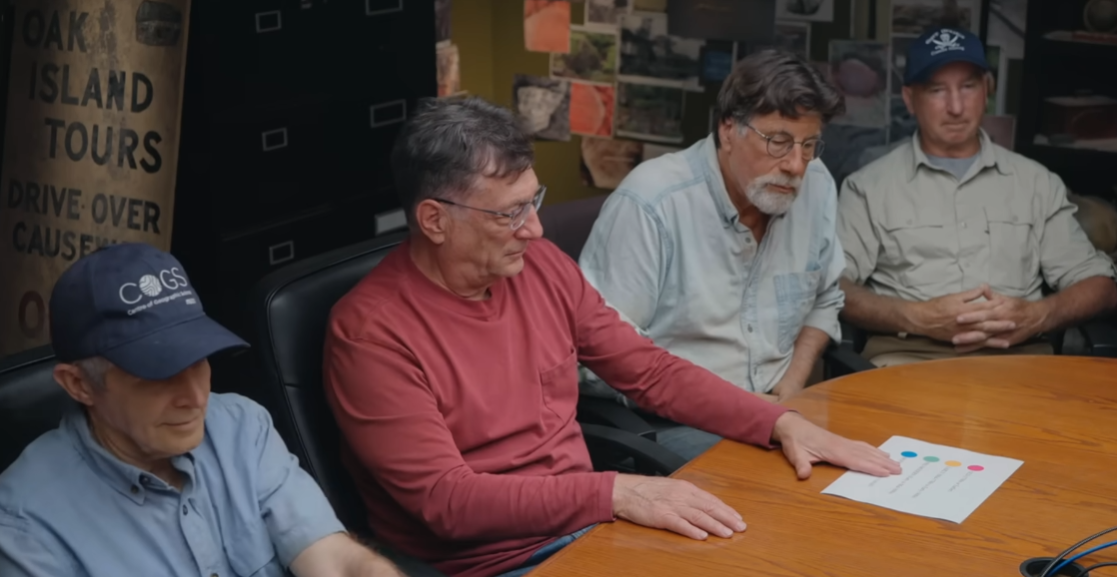
Beyond archaeology, the Lagina brothers’ venture has reshaped their lives. The success of The Curse of Oak Island turned their quest into one of television’s most enduring documentary series. Financially, the rewards followed: Rick Lagina’s net worth is estimated at around $2 million, while Marty’s business ventures and television success place his wealth near $50 million.
Yet for the brothers, money has never been the central motivation. Their focus remains on resolution—finding evidence strong enough to convince even hardened skeptics. As Rick often emphasizes, Oak Island is not a single mystery but a layered one, built over decades, possibly centuries.
After years of setbacks, the Laginas believe they have reached a turning point. Whether the island ultimately yields a vault of treasure or a definitive historical explanation, their work has already changed how Oak Island is understood. What once seemed like legend now stands on a growing foundation of evidence.
And as long as there are unanswered questions beneath the soil, Rick and Marty Lagina appear ready to keep digging.