Team Uncovers 200-Year-Old Shaft and Learns of Possible Spanish Treasure on the Island
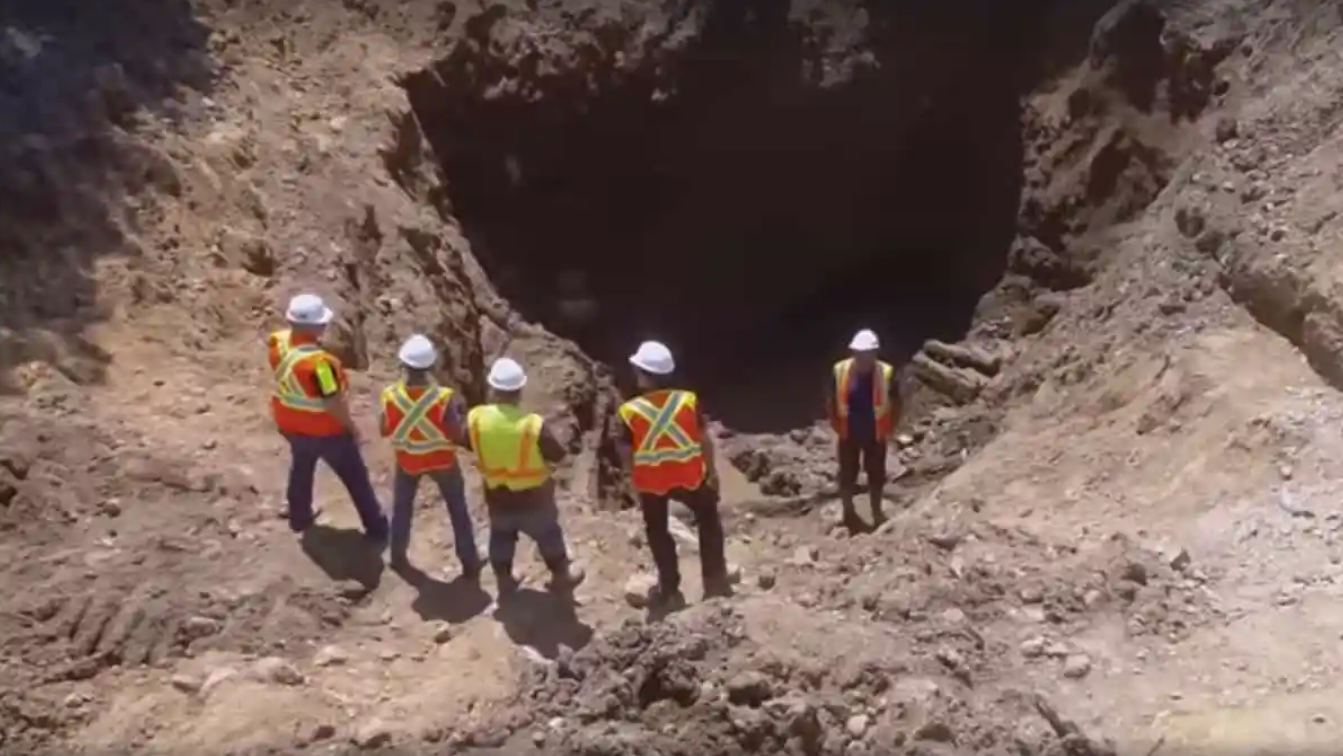
For over two centuries, the mystery surrounding Oak Island has captivated treasure hunters, historians, and conspiracy theorists alike. The island, located off the coast of Nova Scotia, has become synonymous with untold riches, buried secrets, and a treasure that has eluded discovery since its first excavation in the 18th century. In the latest season of The Curse of Oak Island, the team led by brothers Rick and Marty Lagina has made an extraordinary breakthrough that could change everything we thought we knew about the island’s treasure. A newly uncovered 200-year-old shaft, along with new evidence pointing to the possible involvement of the Spanish in the island’s storied past, could offer clues to a treasure hidden for centuries. But how might this new development impact the ongoing search, and what are the potential implications for the team moving forward?
The Discovery of the 200-Year-Old Shaft
The unveiling of the 200-year-old shaft is a significant step in the island’s long search for treasure. As shown in the latest episodes, the team discovered the shaft, a man-made structure that had been buried beneath the island for over two centuries. This shaft, which appears to have been part of an earlier excavation attempt, suggests that previous treasure hunters may have been closer to the legendary riches than originally believed. The discovery adds another layer of complexity to the mystery, as it hints that early explorers or treasure seekers might have already found part of the treasure—or perhaps were thwarted by an unknown force.
From a historical perspective, this shaft could be the key to understanding the island’s excavation history. Was this a part of an early attempt to retrieve the treasure, perhaps by individuals with knowledge of its location but lacking the technology to complete the task? Or did this shaft play a role in an even larger, more coordinated effort that dates back to the 18th or 19th century? The presence of such a shaft could suggest that previous treasure hunters were not as unsuccessful as once thought. It could also lead to the revelation that the treasure is still hidden deep below, with evidence pointing to the need for further excavation.
The team’s next steps will likely focus on examining the shaft in greater detail to understand its purpose, construction, and its connection to the treasure hunt. The shaft may hold critical clues as to where the treasure lies, providing the team with a much-needed breakthrough in the decades-long search. However, any such discovery will not come without challenges, as the team will have to work around the constraints posed by the island’s unique geography and history.
The Spanish Connection and the Mystery of the Treasure
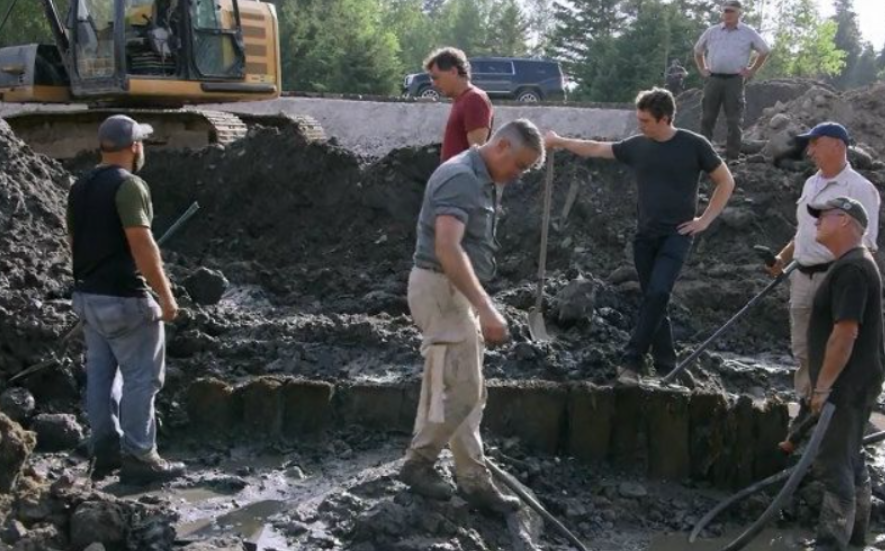
In a fascinating twist, the team has also uncovered new evidence that points to the possible involvement of the Spanish in Oak Island’s treasure. While the origins of the treasure have been the subject of much speculation over the years, recent findings suggest that the treasure may have Spanish roots, potentially dating back to the 16th century. The presence of Spanish artifacts, such as gold coins and old map references, alongside the discovery of the shaft, could indicate that Spanish explorers or pirates were involved in the hiding or retrieval of the treasure.
The idea of Spanish involvement in Oak Island’s mystery is not new, but the team’s latest findings have brought new attention to this theory. Historical records indicate that Spanish ships were active in the Caribbean and along the eastern coast of North America during the 1500s and 1600s, a time when piracy and treasure hunting were rampant. The Spanish were known for hiding their valuable goods in secret locations, and it is plausible that Oak Island could have been one of these sites, used to conceal their riches away from prying eyes.
If the treasure is indeed Spanish in origin, it could explain why so many treasure hunters have failed to find it over the years. Spanish treasure, particularly from the 16th and 17th centuries, was often buried deep, hidden in elaborate vaults or secured with traps designed to deter unauthorized individuals. This would also explain why so many theories surrounding Oak Island involve the notion of a heavily protected and well-hidden treasure. The fact that the team has found new evidence supporting this theory only adds fuel to the fire, suggesting that they may be getting closer to the truth.
The Future of the Search: What’s Next for the Team?
With the discovery of the 200-year-old shaft and the possibility of a Spanish connection to the treasure, the team is poised to make their most significant breakthrough yet. But as always on Oak Island, the road ahead is not without its obstacles. The team will need to continue to dig deeper into the island’s history, examining any and all structures and artifacts they uncover to piece together the puzzle. The discovery of the shaft alone is not enough to guarantee success, and the team will likely need to go through a rigorous process of testing, analyzing, and validating their findings before they can move forward.
One of the biggest questions moving forward will be how the discovery of the shaft and the potential Spanish connection will shape the team’s approach to the search. Will they focus more on the shaft and the immediate area surrounding it, or will they pursue the Spanish treasure theory more aggressively? The fact that both of these discoveries point to different aspects of the treasure hunt could create a shift in the team’s strategy. They may need to employ a more nuanced approach, one that combines both the historical excavation work on the shaft and the investigation into the Spanish connection.
Given the team’s growing expertise and technology at their disposal, the next season of The Curse of Oak Island could see the brothers Lagina and their crew diving deeper into the island’s mysteries than ever before. If the Spanish treasure theory holds water, the team may find themselves uncovering artifacts and clues that point to an even larger, more intricate treasure buried beneath the surface of Oak Island. Whether or not they will find the treasure by the end of the season remains to be seen, but it’s clear that the team is on the verge of potentially unraveling a mystery that has endured for over 200 years.
In conclusion, the discovery of the 200-year-old shaft and the potential Spanish connection to the Oak Island treasure marks a pivotal moment in the ongoing search. With more discoveries expected and the team’s determination stronger than ever, fans of The Curse of Oak Island can expect thrilling developments and a deeper dive into the island’s secrets in the coming seasons. Will they finally uncover the treasure that has eluded so many before them? Only time will tell, but one thing is certain: the mystery of Oak Island is far from over.