Jeremy Clarkson opens up on ‘upsetting’ loss that devastated partner Lisa Hogan
Jeremy Clarkson, renowned television presenter and star of Clarkson’s Farm, has once again brought his audience behind the scenes of his farming journey in his latest book, Diddly Squat: Home to Roost. While the book offers insight into his ups and downs as a farmer, it also exposes the often-overlooked realities of modern-day agriculture—financial struggles, emotional strain, and the pressures of rural life.
Clarkson’s farm, Diddly Squat, has become famous through the Amazon Prime video series, where viewers have watched the once motor-head presenter transform into a hands-on, albeit often accident-prone, farmer. Yet, behind the humor and chaos that has marked the show, Clarkson’s fifth season on the farm has been marred by personal and financial difficulties, offering a sobering look at the challenges faced by farmers in today’s world.
The Loss of Bertie: A Personal and Emotional Blow
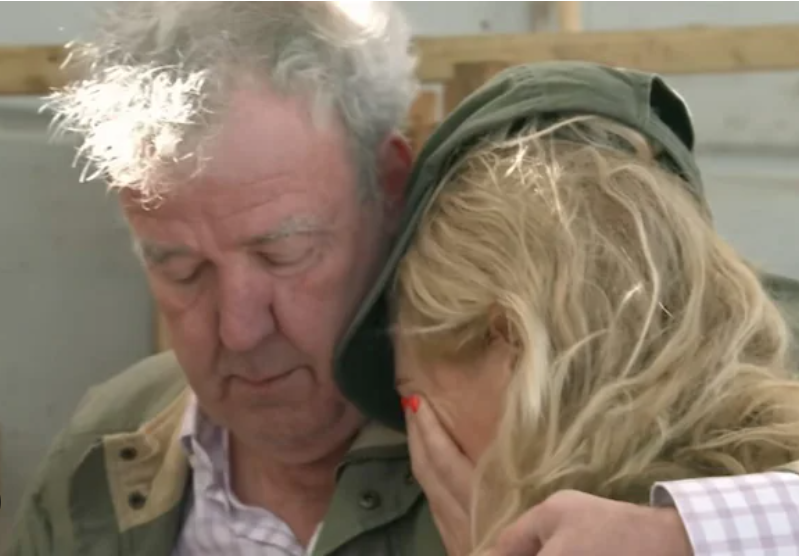
One of the most heart-wrenching moments of Clarkson’s fifth season was the loss of his and Lisa Hogan’s much-loved horse, Bertie. The horse, which had become a farm favorite, was found “lying on his side, in a stream,” just before Christmas 2023, a discovery that Clarkson described as deeply upsetting. In his book, Clarkson reflected on how his grief was compounded by the emotional toll on Lisa and the practical ramifications of the loss for the farm.
“The emotional toll of caring for animals is something many people overlook,” Clarkson wrote. “When Lisa’s horse died, I was upset because I could see she was. And because I would have to deal with it.” This raw admission paints a picture of the hidden emotional burdens farmers carry alongside their physical labor. This loss not only affected Clarkson on a personal level but also served as a reminder of the delicate balance of farm life, where the welfare of animals is central to the emotional climate of the operation.
The Strain of Modern Farming: Financial Challenges and Unpredictability
But the loss of Bertie is only one piece of the puzzle. Clarkson’s latest book dives deep into the financial challenges that plagued his farm in 2023. He described the year as “very bad,” with unpredictable weather, rising costs, and geopolitical events, particularly the war in Ukraine, compounding the difficulties. Clarkson, who spends a significant amount of money on the farm each year, noted that the cost of seeds, fertilizer, and sprays skyrocketed, causing his financial outlay to soar from £40,000 to £110,000 in just one season.
“All I could do was hope the weather would be good. Which it wasn’t,” Clarkson lamented. Despite his popularity, Clarkson’s farm has not been immune to the economic pressures facing farmers across the globe. In his book, he compares his own struggles to those of other farmers and acknowledges that success is unevenly distributed. While some, like fellow farmer Adam Henson, may have experienced better yields, Clarkson points out that for many farmers, 2023 was a “disaster.”
His candid reflection provides insight into the broader realities of farming, where rising costs, unpredictable weather, and external factors like global conflict can devastate the livelihoods of those who depend on the land. This transparent portrayal is a departure from the humorously chaotic narrative that Clarkson’s Farm is often known for, revealing a much grimmer side to the life of a farmer.
The Road to Sustainability: Diversifying Revenue Streams and Innovation
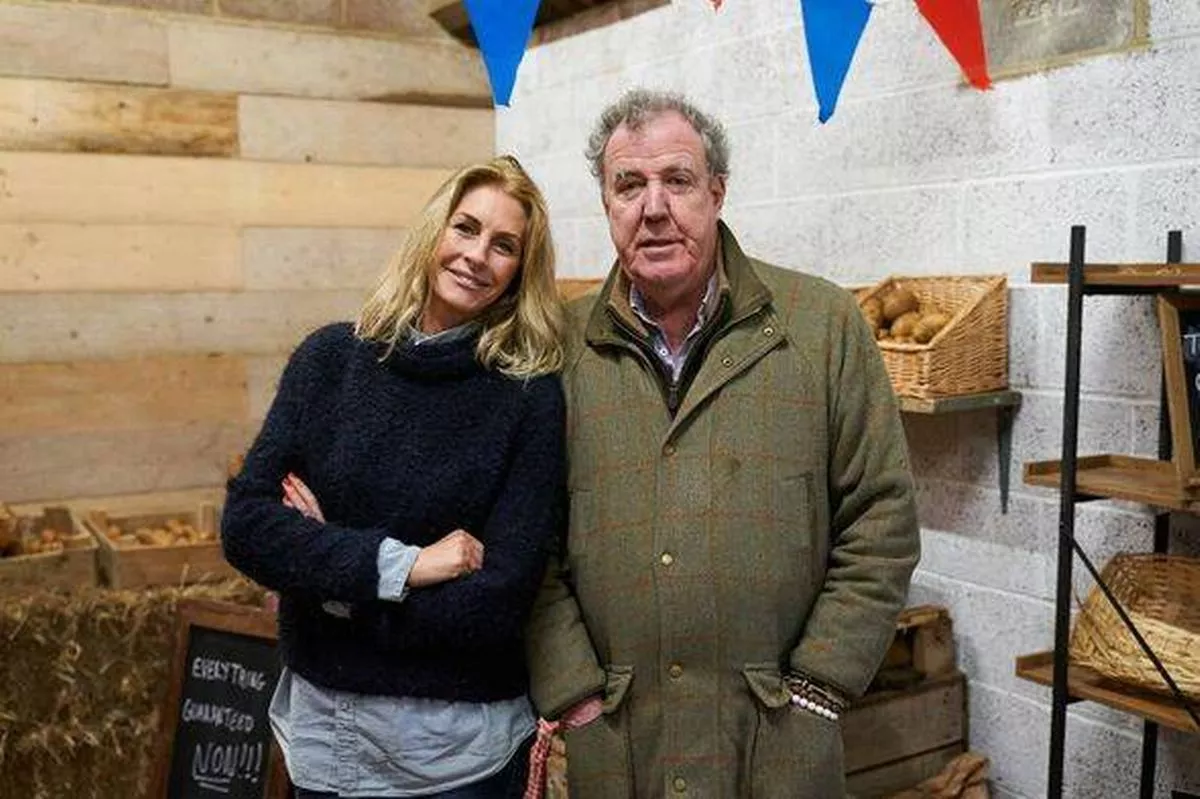
Given the financial pressures on the farm, Clarkson may need to diversify and adapt in order to ensure the sustainability of Diddly Squat. The farm has already built a sizable fanbase through Clarkson’s Farm and his books, which could be leveraged to generate additional revenue streams. From farm tours and workshops to exclusive online content, Clarkson could build on the farm’s popularity to support its operations financially.
There is also the possibility that Clarkson may look to incorporate new farming technologies, such as precision agriculture, to improve yields and reduce labor costs. These innovations could provide a way forward as the farm grapples with rising operational costs. However, even with these tools at his disposal, Clarkson is aware that success in farming is far from guaranteed. “Farming is still unpredictable,” he admitted, “and you can’t control everything.”
Additionally, Clarkson’s business ventures, particularly The Farmer’s Dog, his pub, have also faced financial strain. He has openly admitted that he lost £10 for every customer who entered the pub. This further exemplifies the challenges of running a small business in rural Britain, where operating costs often outweigh the potential income. It’s clear that for Clarkson, farming and business are intertwined, and the success of one can determine the fate of the other.
The Mental Toll of Farming and Future Predictions
Aside from the financial pressures, Clarkson has also touched on the emotional toll of farming, particularly when it comes to animal welfare and the psychological strain of managing a farm. The loss of Bertie was a reminder of the often-overlooked emotional side of farming—something that will likely influence Clarkson’s approach to his future ventures.
Looking ahead, Clarkson may focus on building resilience into his farming operations, not just through financial diversification but also through emotional preparedness. The struggles of 2023 may lead to an emphasis on better planning, contingency measures for animal welfare, and perhaps even a focus on mental health for both himself and his staff. Farming is more than a physical endeavor; it’s an emotional journey that can test the limits of patience and resolve.
As Clarkson continues his journey, it’s clear that his experiences, both humorous and difficult, are providing valuable insights into the realities of farming. The challenges of the past season are shaping his approach to the future, and the next chapter of Clarkson’s Farm will likely include innovations, emotional resilience, and continued efforts to balance the personal and professional demands of farm life.
In conclusion, Jeremy Clarkson’s candid reflections provide an important reminder that farming isn’t just about the land—it’s about the people who tend to it. From financial struggles and unpredictable weather to the emotional toll of animal care, Clarkson’s journey underscores the complexities of modern agriculture. As he continues to navigate these challenges, both on and off screen, his story will undoubtedly offer further lessons in resilience, innovation, and the hard realities of farming life.