Clarkson’s Farm Through a Farmer’s Eyes: Why the Show Resonates Beyond Television.
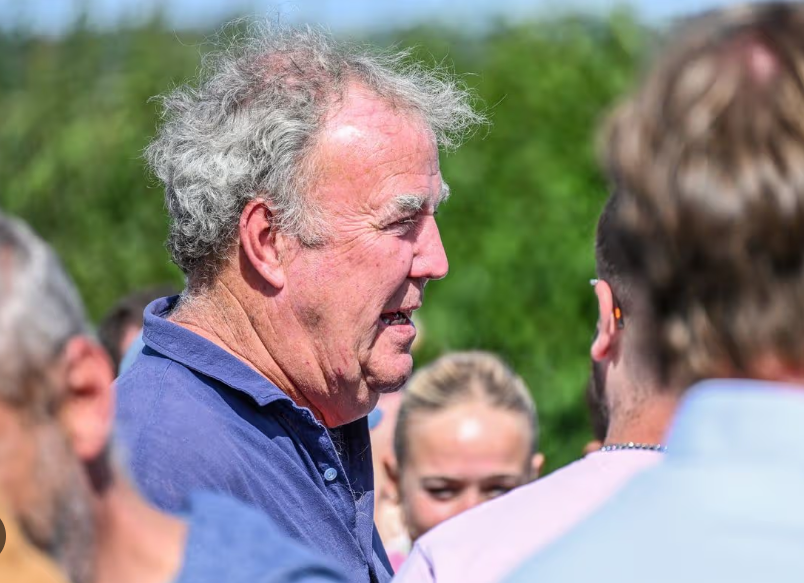
When Clarkson’s Farm first appeared on screens, it was easy to dismiss it as another celebrity side project—an entertaining detour for a famous presenter rather than a serious reflection of British agriculture. Yet, several series on, the programme has become something far more significant. From the perspective of working farmers, Clarkson’s Farm has achieved what decades of worthy but niche rural broadcasting often failed to do: it has brought the realities of farming into the living rooms of people who have never set foot in a field.
At its core, the show follows Jeremy Clarkson as he attempts to run Diddly Squat Farm in the Cotswolds. The appeal is obvious. Clarkson is outspoken, impatient, frequently wrong, and very public about his mistakes. But for farmers watching, the humour is not the main point. What matters is recognition. The breakdowns, the escaped livestock, the failed crops, the endless regulations—none of this feels exaggerated. If anything, many farmers quietly note that what viewers see on screen is a simplified version of the daily pressure they face.
One of the strengths of the programme is its supporting cast. Kaleb Cooper, the young contractor, and Gerald Cooper, whose thick Gloucestershire accent has become legendary, are not caricatures. To farmers, they are familiar figures. Every rural community has people like them—practical, deeply knowledgeable, and often undervalued because their expertise is learned through experience rather than formal qualifications. The show quietly challenges the assumption that intelligence must come with paperwork, something many in agriculture have resented for years.
Equally important is Charlie Ireland, the land agent who regularly arrives with bad news about compliance and paperwork. While some farmers note that land agents are not usually present quite so often in real life, the role he plays is accurate. Modern farming is suffocated by regulation, and even experienced farmers frequently rely on professional advice to avoid costly mistakes. The programme succeeds in showing that bureaucracy is not an abstract complaint—it shapes almost every decision on a working farm.
Where Clarkson’s Farm truly strikes a nerve is diversification. As traditional subsidies decline and margins tighten, farmers are repeatedly told to “diversify” to survive. Clarkson’s attempts to do exactly that—through a farm shop, cattle, a brewery, and later a restaurant—mirror struggles happening across the countryside. The show’s prolonged battle with local planning authorities over converting an existing barn into a café is painfully familiar. Many farmers watching recognise the frustration of being encouraged to innovate, only to be blocked by the very systems meant to support rural sustainability.
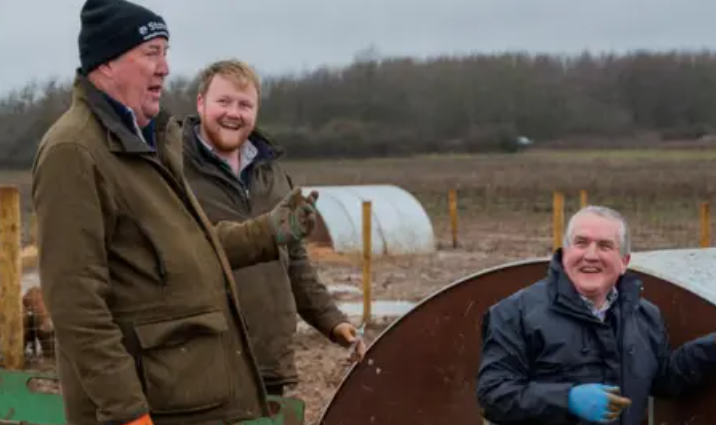
The farm shop storyline, in particular, resonates strongly. Farmers understand that direct sales can mean the difference between survival and closure. Yet the opposition Clarkson faces highlights a wider tension: rural economies are expected to preserve a postcard version of the countryside while quietly absorbing financial decline. What the programme illustrates, perhaps unintentionally, is that a successful farm shop does more than benefit one landowner. It supports dozens of small local producers, attracts visitors, and injects money into villages that have seen services steadily disappear.
Critics sometimes argue that Clarkson’s wealth insulates him from the consequences of failure. That is true, to a point. He does not depend on the farm for his livelihood in the way most farmers do. But many in agriculture still appreciate what the show achieves. Clarkson is not pretending to be the perfect farmer. Instead, he exposes how unforgiving the system is, even when money and fame are involved. If a well-funded operation struggles under regulation, weather, and planning constraints, what hope is there for smaller family farms?
Another reason the programme has found favour among farmers is its tone. Unlike some rural television, which many feel has drifted toward lifestyle content disconnected from food production, Clarkson’s Farm remains blunt. Clarkson swears, drinks beer, gets angry, and voices opinions that sound much closer to conversations heard in farmyards than in studios. For many farmers, that authenticity matters. They see a presenter who may be inexperienced but is visibly learning—and visibly frustrated—by the same obstacles they face.
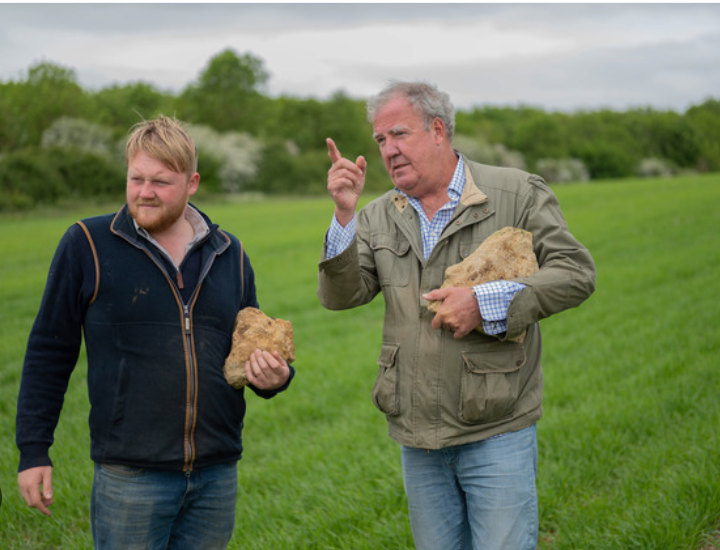
Perhaps most importantly, the show has succeeded in reaching an audience that farming programmes rarely touch. Millions of viewers who would never choose a traditional agricultural documentary now have a clearer understanding of why food production is difficult, expensive, and emotionally draining. That shift in public awareness may prove more valuable than any policy speech. Farmers often feel ignored, misunderstood, or misrepresented. For once, their challenges are being discussed at scale, wrapped in humour but rooted in reality.
From a farmer’s perspective, Clarkson’s Farm is not perfect, nor does it need to be. Some scenes are clearly shaped for television, and much work happens off camera. But the essence rings true. The programme captures the unpredictability, pressure, and resilience required to farm in modern Britain. More than entertainment, it has become a form of representation. Whether viewers love or loathe Jeremy Clarkson, many farmers quietly agree on one thing: for better or worse, he has become an unlikely ambassador for their world—and one the public is finally listening to.