THE PIRATE’S VAULT: OAK ISLAND ROCKED BY $110 MILLION ANOMALY AT “DANGER DEPTH”
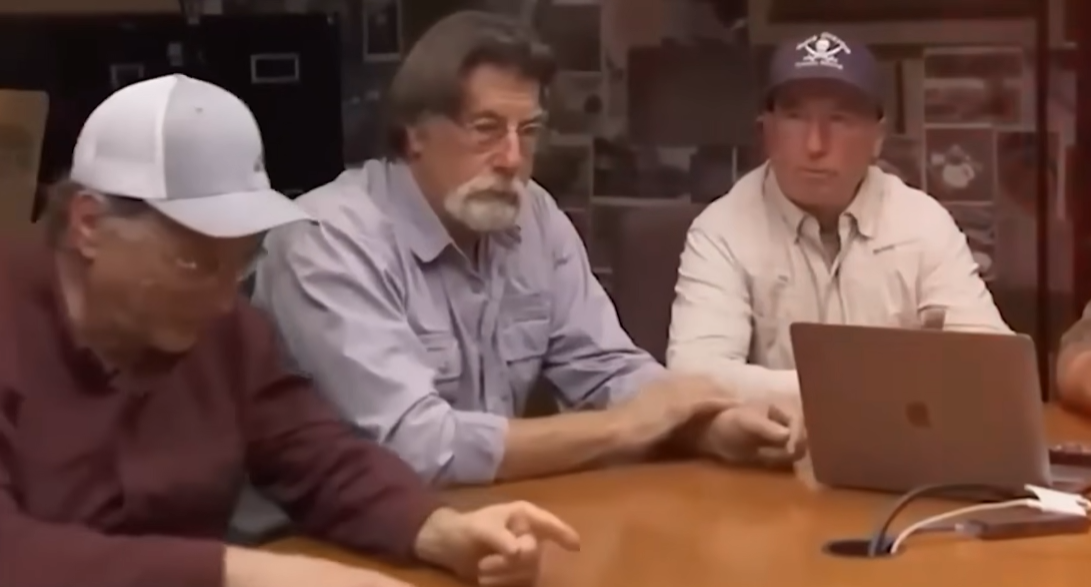
The century-old mystery of Oak Island has reached what lead treasure hunter Rick Lagina describes as a “definitive turning point.” Following a seismic-like shock during routine drilling, advanced underground scans have confirmed a massive, vault-like anomaly located between 90 and 110 feet deep. Experts suggest the chamber could house up to 3,000 pounds of raw pirate gold, with a staggering market valuation exceeding $110 million.
The “Explosion” of Data
The discovery, which sent literal and figurative tremors through the fellowship, was corroborated by high-tech density readings. According to site reports, the area beneath the Money Pit is exhibiting a density spike 8 to 10 times higher than the surrounding soil and bedrock.
“This is not normal. This is history,” a visibly moved Rick Lagina stated as the scanning data materialized on-screen. The readings do not suggest scattered artifacts or loose debris; rather, they reveal a structured, sealed chamber. Geologists on-site confirm that such density is only achievable through a concentrated mass of solid metal, leading to the “Pirate Gold” theory that has haunted the North Atlantic for generations.
The 1700s Pirate Connection
Adding physical evidence to the digital scans, the team recently recovered carved wooden structures from the same depth. These timbers appear to be part of a sophisticated underground support system typical of 1800s-era engineering, but with markings that suggest a much earlier, deliberate sealing.
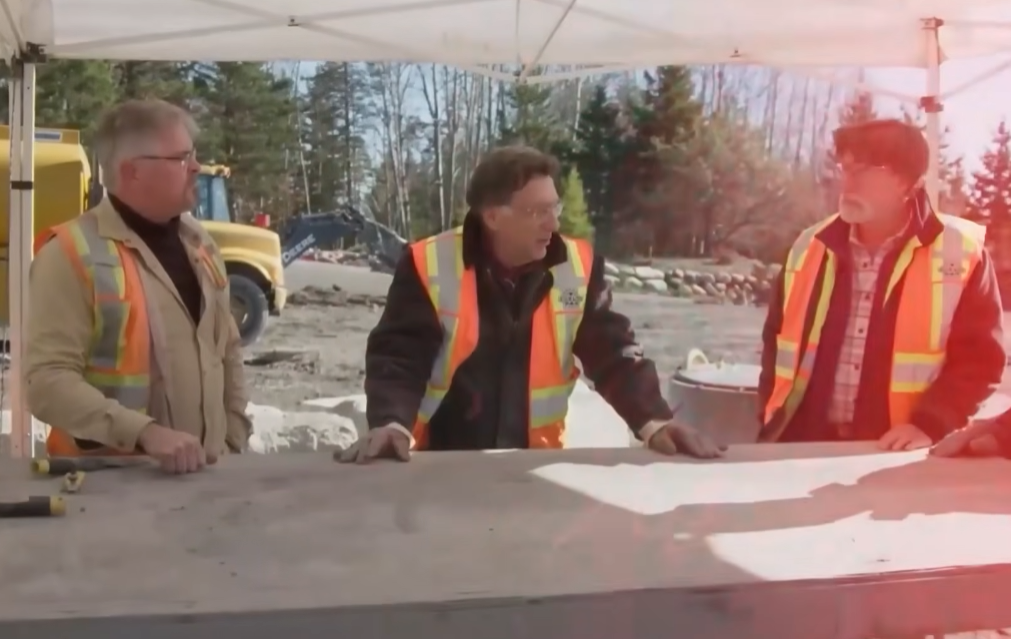
Archaeologists have identified coded symbols etched into the wood that mirror 18th-century pirate maritime ciphers. This has led many to believe that the vault was not merely a dumping ground, but a high-security depository built to be inaccessible to anyone without the original blueprints.
[Image: A density heatmap of the 110-foot depth showing a solid, rectangular anomaly in the Money Pit area.]
A Life-or-Death Mission
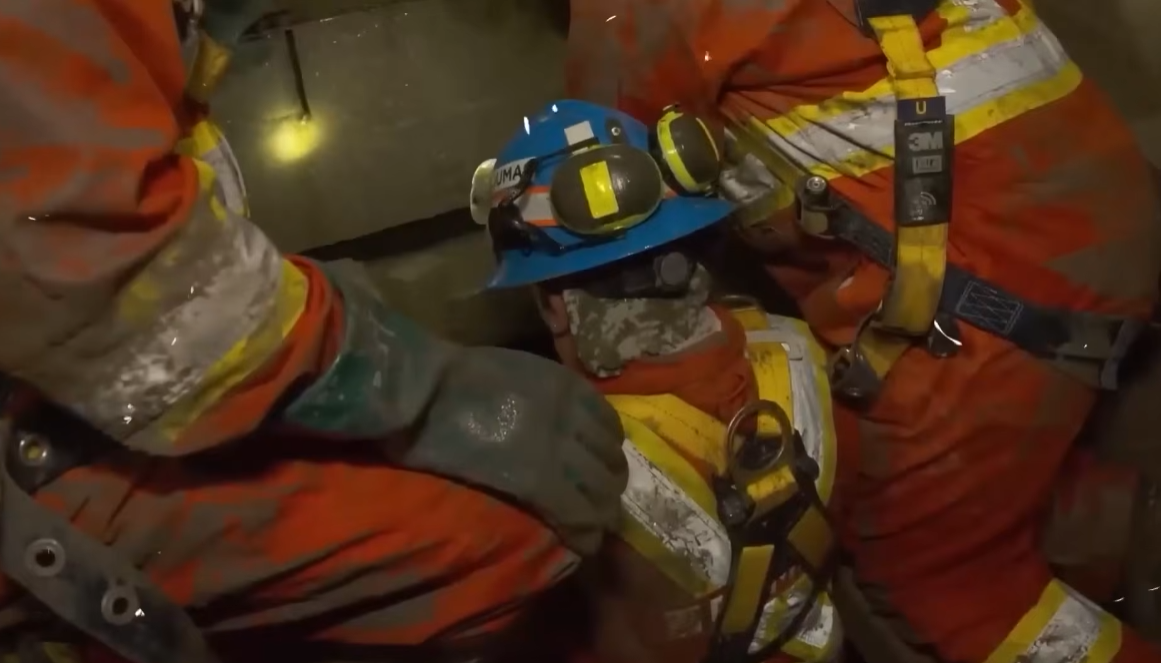
Despite the potential nine-figure windfall, the atmosphere on the island is one of “terror mixed with excitement.” At the 100-foot level, the team faces the trifecta of Oak Island’s legendary defenses:
-
Flood Tunnels: Seawater channels that reactivate under pressure, threatening to drown the shaft in seconds.
-
Toxic Gas Pockets: Pockets of methane and ancient air that could prove fatal upon breach.
-
Structural Collapse: The unstable soil of the Money Pit, weakened by 200 years of failed searches, is at a breaking point.
“The closer the treasure gets, the more dangerous the island becomes,” one crew member noted. “One wrong drilling angle and the entire history of this search could be buried under a million tons of mud.”
The Legal Battle Looms
Even if the gold is successfully extracted, a new “treasure war” is expected on the surface. Canadian national heritage laws are famously strict; any find of this magnitude could be declared public property. Rick and Marty Lagina reportedly face immense off-camera pressure regarding permits, government oversight, and potential claims from rival treasure-hunting syndicates who have spent decades watching from the sidelines.
The Final Gamble
As the History Channel prepares to document what could be the most-watched event in television history, the world waits to see if the “Curse of Oak Island” will finally be broken. Will the $110 million vault yield the greatest pirate hoard in history, or is it another “Empty Chamber” designed by ancient architects to deceive and destroy those who seek it?
For Rick Lagina, the dream of a lifetime is now just 10 feet away. The island has offered its greatest signal; now, it remains to be seen if it will allow the treasure to leave.