Jeremy Clarkson has good news for Clarkson’s Farm fans as season five of Netflix show wraps filming
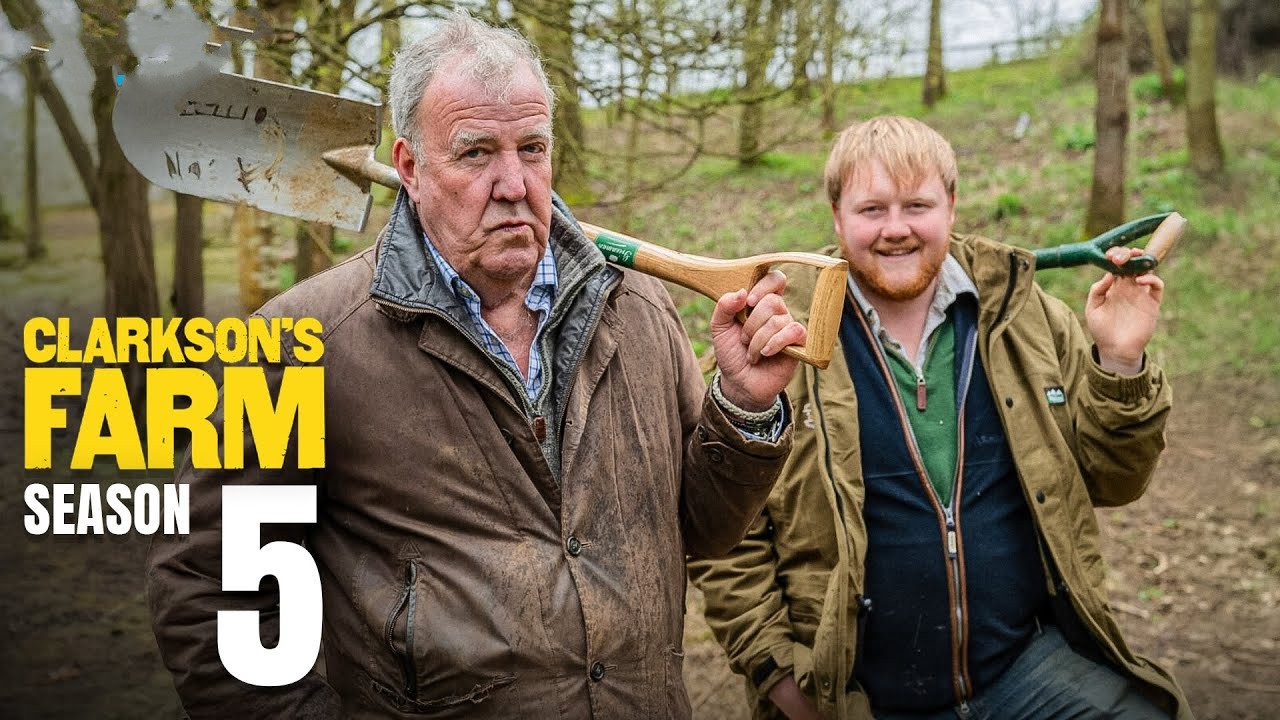
In the unpredictable world of risk, fortune, and sheer endurance, Jeremy Clarkson’s Diddly Squat Farm has become Britain’s real-life version of a Gold Rush operation—where luck, timing, and hard-earned grit decide whether the season ends in triumph or collapse. After a year marked by loss, health scares, and environmental setbacks, Clarkson has finally announced that filming for Clarkson’s Farm Season 5 is complete. But beneath the cheerful Instagram caption “Season 5. It’s a wrap,” lies a story of resilience that mirrors the brutal yet rewarding cycle of gold mining itself.
A Season of Highs and Lows
At 65, the former Top Gear host is no stranger to taking risks, but 2025 has tested his endurance more than most. In July, Clarkson revealed that Diddly Squat Farm was under a two-month lockdown due to a devastating outbreak of bovine tuberculosis, ordered by the Animal and Plant Health Agency. The disease struck his livestock hard, halting production and creating financial strain at a time when his harvest was already described as “catastrophic.”
Much like a mining crew watching machinery sink into permafrost, Clarkson faced the slow-motion disaster of dwindling yields. The summer’s unstable weather—alternating droughts and floods—crippled his crops, and he admitted that only the profits from the television show were keeping the operation afloat. In essence, Clarkson’s Farm has evolved from a passion project into a survival strategy.
Yet, even in the midst of disaster, the man who once measured his life in horsepower refuses to yield. Season 5 wrapped with optimism, symbolized by a group photo shared online—Clarkson, his partner Lisa Hogan, and his loyal crew: farmer Kaleb Cooper, land agent Charlie Ireland, and farmhand Gerald Cooper, all sitting around a glowing campfire. The image evokes not just camaraderie but the same kind of end-of-season ritual familiar to Gold Rush miners—where the team, after months of hardship, counts its blessings and braces for what’s next.
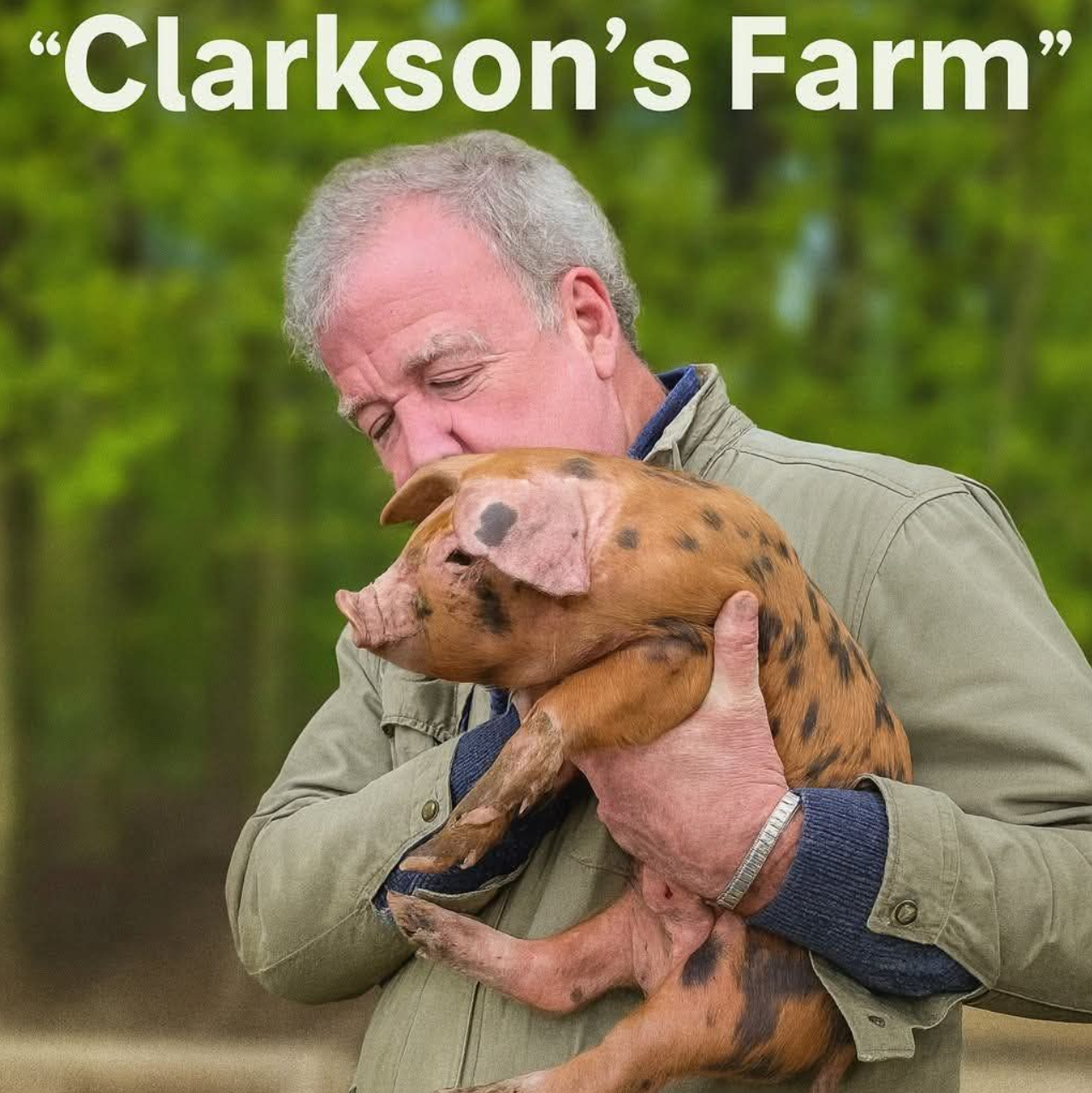
The “Clarkson Effect” – Turning Struggle into Impact
Despite his self-deprecating humor and infamous temper, Clarkson has done what few could: he’s turned failure into a cultural movement. Economically and socially, the “Clarkson effect” is real. After the show’s fourth season aired, sales of British farm produce surged, applications to agricultural universities rose, and public awareness of modern farming challenges deepened.
In essence, Clarkson has redefined what a celebrity entrepreneur can achieve. Instead of escaping discomfort, he amplifies it—showing the public that farming, like gold mining, is a daily gamble against time, nature, and bureaucracy. His openness about losing money, facing TB outbreaks, and enduring weather disasters has humanized an industry that’s often invisible to city audiences.
From a program analysis standpoint, Clarkson’s Farm demonstrates a unique economic feedback loop: adversity drives engagement, engagement drives revenue, and revenue sustains operations. The harder his year becomes, the more viewers tune in. It’s a cycle Discovery Channel’s Gold Rush has relied on for over a decade, and Clarkson has perfected it on British soil.
The Health Factor – A Near Miss That Could Change the Game
Adding another layer to the drama, Clarkson’s own health scare in late 2024 may reshape how the show moves forward. The presenter admitted he was “doing everything I can not to die” after undergoing emergency heart surgery. For a man known for his stubbornness and overwork, the comment signaled both fear and determination.
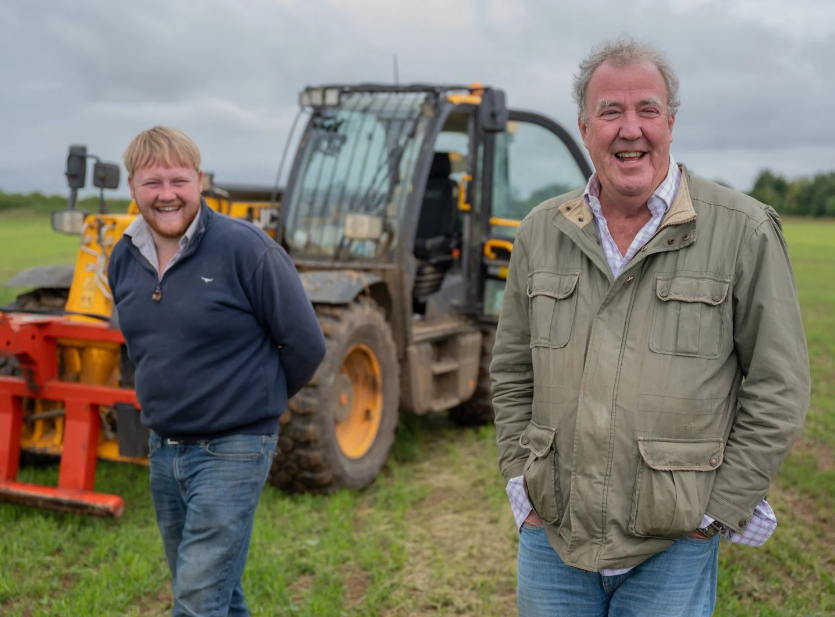
This vulnerability could mark a turning point for the series’ narrative. Just as Gold Rush audiences once watched Tony Beets hand more responsibility to his children, we might see Clarkson gradually lean more on Kaleb Cooper—a young, entrepreneurial farmer who has grown from assistant to co-star and possibly heir to the Diddly Squat legacy. The show may evolve from one man’s experiment into a multigenerational enterprise, mirroring the passing of torches seen in gold mining families.
Predictions: The Road Ahead
Looking forward, several likely scenarios emerge:
-
Diversification for Survival: Expect Diddly Squat Farm to expand into more sustainable and value-added ventures—artisanal products, agritourism, or even renewable energy farming—to offset volatile harvests.
-
Kaleb’s Rising Star: Kaleb Cooper’s leadership role will deepen, not just on-screen but operationally, as Clarkson balances health and age-related challenges. Viewers could see a mentor-protégé dynamic similar to Parker Schnabel’s evolution in Gold Rush.
-
A “Perfect Year” in the Making: Fans’ wish for one smooth farming year may ironically ensure the opposite. Each new disaster fuels ratings, and Clarkson’s unpredictable streak virtually guarantees another season of setbacks—and success through struggle.
-
Cultural Expansion: The “Clarkson effect” could spill beyond Britain, inspiring global agricultural awareness, much like Gold Rush expanded mining’s appeal worldwide.
Conclusion
Jeremy Clarkson’s journey from racetracks to rural mud pits has become one of modern television’s most fascinating transformations. What began as a contractual experiment now stands as a symbol of resilience and reinvention. Like a miner striking gold after years of barren dirt, Clarkson has found his richest vein not in horsepower, but in hardship.
As Clarkson’s Farm Season 5 heads for release, the big question isn’t whether the farm will survive—but how much further its story can reshape how we view risk, reward, and the true cost of perseverance.