Vegan-Only Revolution: The Controversial Policy That’s Dividing Oxfordshire
In a move that has ignited nationwide debate, Oxfordshire County Council has officially adopted a vegan-only food policy, making it the first local authority in Britain to commit fully to serving plant-based meals at all council events. Under the new directive, only vegan dishes will be offered at official meetings, and local schools will see an increase in plant-based menu options.
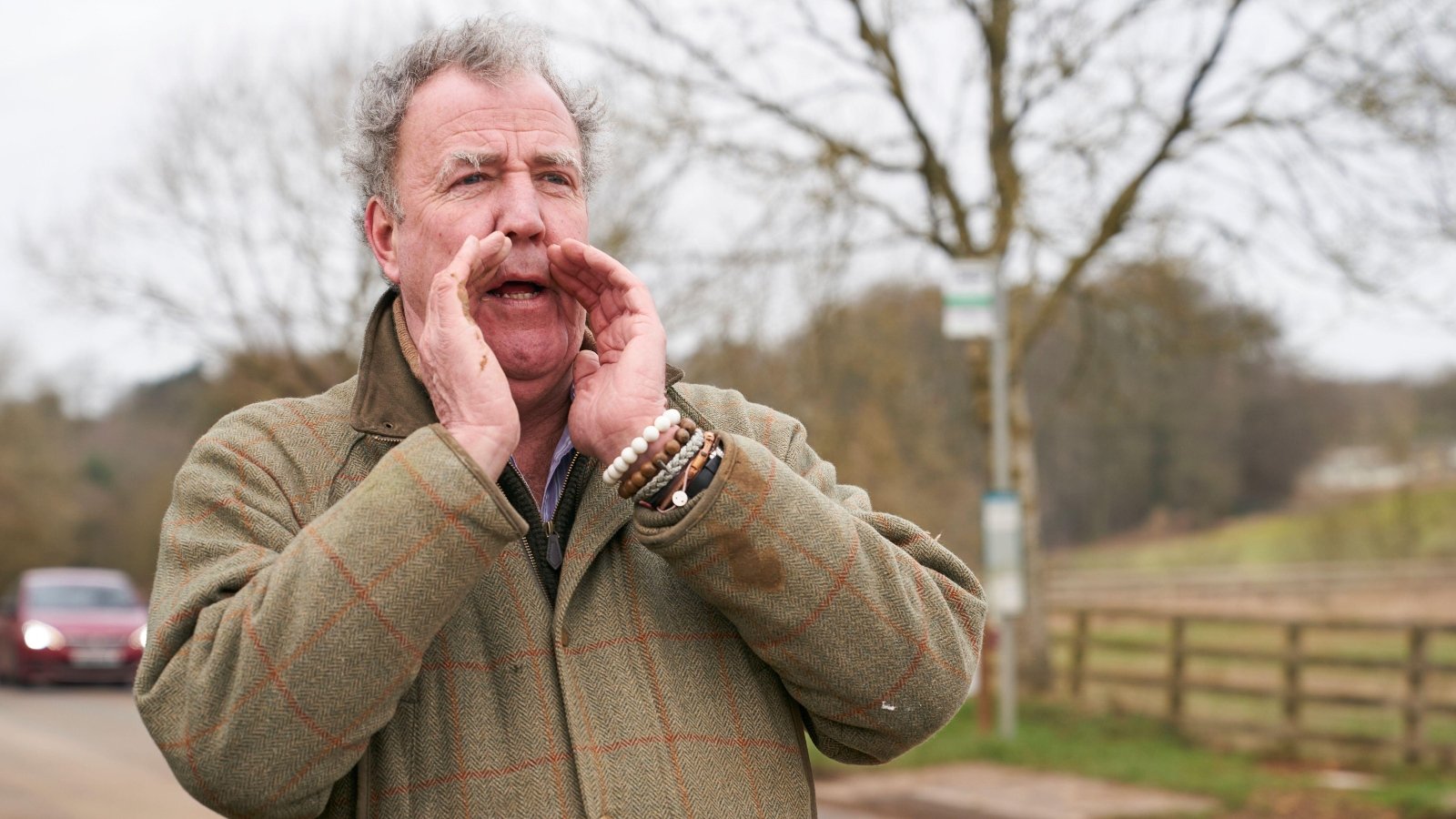
While Green Party councillor Ian Middleton, who proposed the motion, hailed the decision as “a landmark moment that puts Oxfordshire on the right side of history,” not everyone agrees. The shift has drawn sharp criticism from farmers, conservative politicians, and notably from celebrity farmer and television presenter Jeremy Clarkson, who has called the move “utter madness.”
A Battle Between Ideals and Reality
According to Middleton, the policy is less about promoting veganism as a lifestyle and more about combating climate change through sustainable food choices. Speaking before the council cabinet, he stated:
“This has never been about veganism, which is a personal choice. This is about taking collective responsibility for climate change. This is what real climate action looks like.”
The council’s plan emphasizes locally sourced, surplus ingredients, aiming to reduce both carbon emissions and food waste. It represents a growing trend among European governments and institutions seeking to align food policy with environmental goals.
Yet, to many, the move feels like ideological overreach. Critics argue that restricting food choices — especially in a county so closely tied to agriculture — sends a damaging message to rural communities and farmers who are already under economic and regulatory pressure.
Clarkson’s Backlash: “People Need Choice”
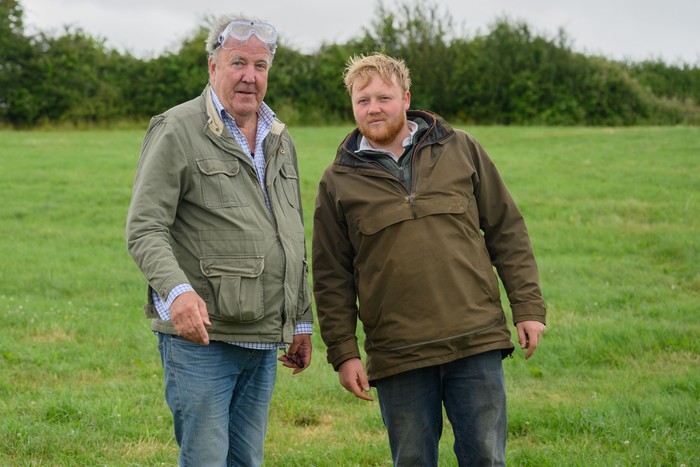
Outside the council’s headquarters, Jeremy Clarkson, who runs the now-famous Diddly Squat Farm in Chadlington, joined local farmers in protest. Known for his outspoken views, Clarkson expressed frustration at what he sees as political intrusion into personal freedom:
“I think people have to have choice. If people want to eat seeds and weeds, fine. If people want to eat meat, fine. It’s the principle of it. You can’t dictate what people eat.”
Clarkson’s comments echo the concerns of many in Britain’s agricultural sector. Meat and dairy production remain central to the rural economy, and policies discouraging animal farming are often viewed as direct threats to traditional livelihoods.
Clarkson’s outspoken stance has also drawn attention to the cultural divide between urban environmentalism and rural reality — a tension that has grown as sustainability policies become more ambitious.
Political Tensions Inside the Council
The council’s decision also sparked fierce debate among its members. Conservative councillor David Bartholomew condemned the policy as a “bullying diktat,” arguing that it undermines individual freedoms:
“I respect vegans and their beliefs. I quite like some vegan food, but I abhor being commanded to eat it. Why does this administration think it has the right to dictate the diet of its councillors? Will we soon be told how to dress?”
Despite the opposition, the Green-led motion passed — a sign of shifting political winds. Environmental policies once considered fringe are now entering mainstream governance, often creating friction with traditional sectors like agriculture and transportation.
Future Implications: The Start of a National Conversation
This decision may be just the beginning. Analysts predict that Oxfordshire’s policy could serve as a model for other councils or even national government departments, especially as the UK works toward its net-zero carbon goals by 2050.
If successful, the policy could reduce food-related emissions, promote sustainable agriculture, and normalize plant-based catering in public institutions. It may also boost local plant-based food businesses, create demand for alternative protein industries, and encourage educational programs about sustainable diets in schools.
However, the transition won’t be smooth. Critics warn of economic disruption for livestock farmers and cultural pushback from citizens who view the policy as moral coercion. Social media reactions have already shown deep polarization — between those applauding Oxfordshire’s environmental leadership and those mocking it as “performative politics.”
Over time, the council will face pressure to demonstrate tangible environmental benefits to justify the backlash. If the vegan policy fails to show measurable impact on emissions or food waste, it could become a cautionary tale for other local authorities considering similar moves.
A Symbol of Britain’s Green Identity Crisis
Ultimately, Oxfordshire’s vegan-only policy is about more than food. It embodies the broader identity crisis of modern Britain — a nation balancing its rich agricultural traditions with the urgent need to combat climate change.
Whether this policy will stand as a visionary act or a divisive misstep remains to be seen. For now, it has successfully done one thing: sparked one of the most passionate national debates yet about the intersection of freedom, food, and the future of the planet.