Rick Lagina Confirms Ancient Templar Vault—The Mystery of Oak Island Is Finally Solved!
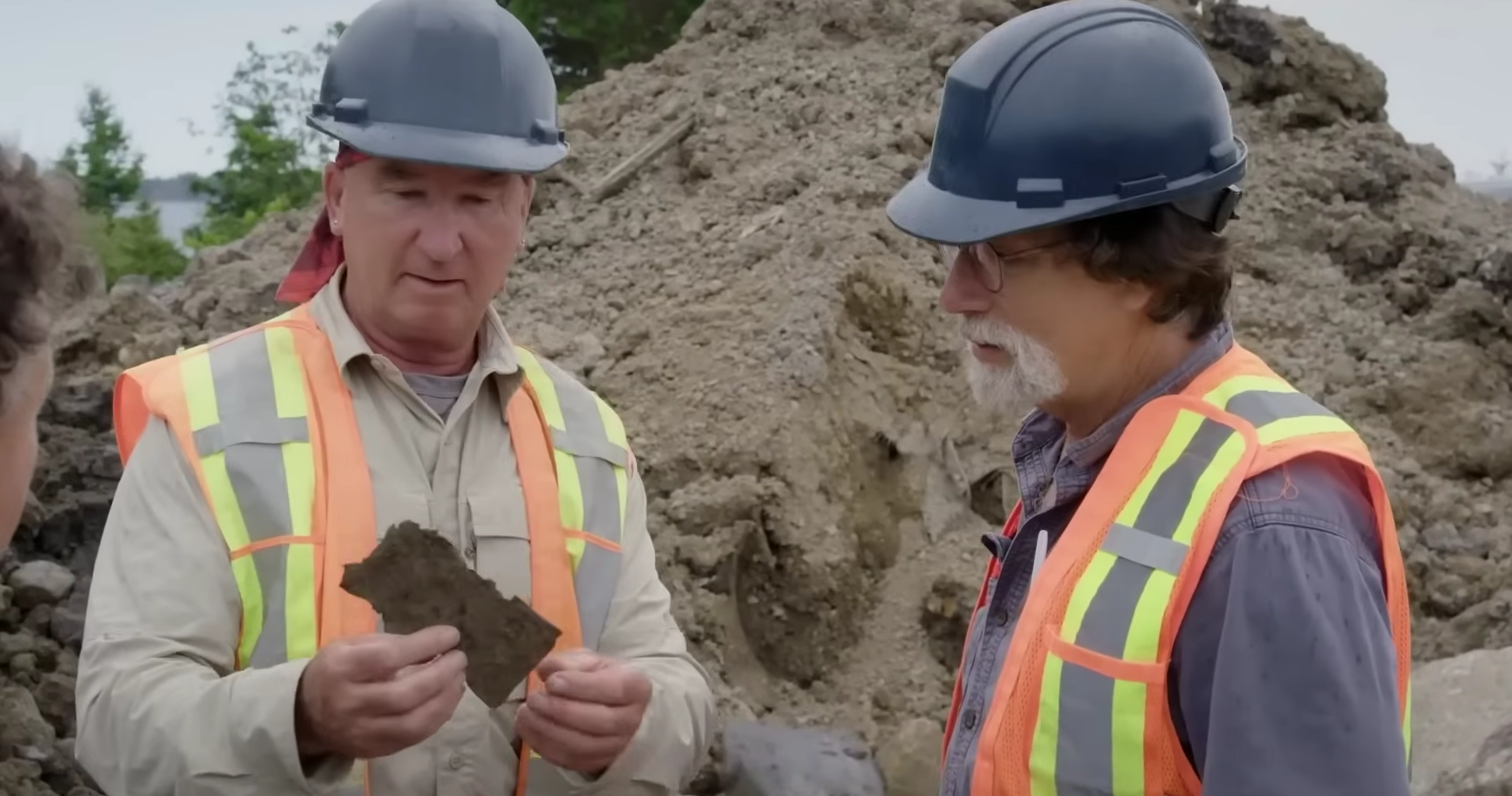
For more than two centuries, a small, wooded island off the coast of Nova Scotia has drawn the attention of explorers, historians, and treasure hunters from around the world. Oak Island, barely 140 acres in size, has become synonymous with unanswered questions, carefully dug shafts, and the enduring belief that something significant lies buried beneath its soil. Today, that belief is carried forward most visibly by brothers Rick and Marty Lagina, the central figures of the History Channel series The Curse of Oak Island.
Since its debut in January 2014, the programme has followed the Laginas’ methodical attempt to understand what Oak Island really is. Rather than promising instant riches, the series focuses on slow progress: soil samples lifted inch by inch, pieces of old wood studied in laboratories, and fragments of metal treated as potential keys to a much larger story. Over time, this patient approach has helped the show grow from an initial six-episode experiment into a long-running television phenomenon with more than a decade on air.
Oak Island’s legend began in 1795, when a young man named Daniel McInnis noticed a strange depression in the ground, later known as the Money Pit. Early diggers reported layers of timber, stone, and clay placed at regular intervals, suggesting deliberate construction rather than a natural formation. Subsequent efforts uncovered flood tunnels that quickly filled excavations with seawater, stopping progress and deepening the mystery. Coconut fibre, charcoal, and non-native stones added to speculation that skilled builders had engineered the site centuries earlier.
Rick Lagina’s connection to this story goes back even further than the television series. As an 11-year-old in Michigan, he read an article about Oak Island in Reader’s Digest in 1965. The idea of a carefully hidden secret never left him. Decades later, he persuaded his younger brother Marty, an engineer and businessman, to invest in the island. Together, they acquired a controlling stake through Oak Island Tours Incorporated and began a renewed search grounded in modern science rather than guesswork.
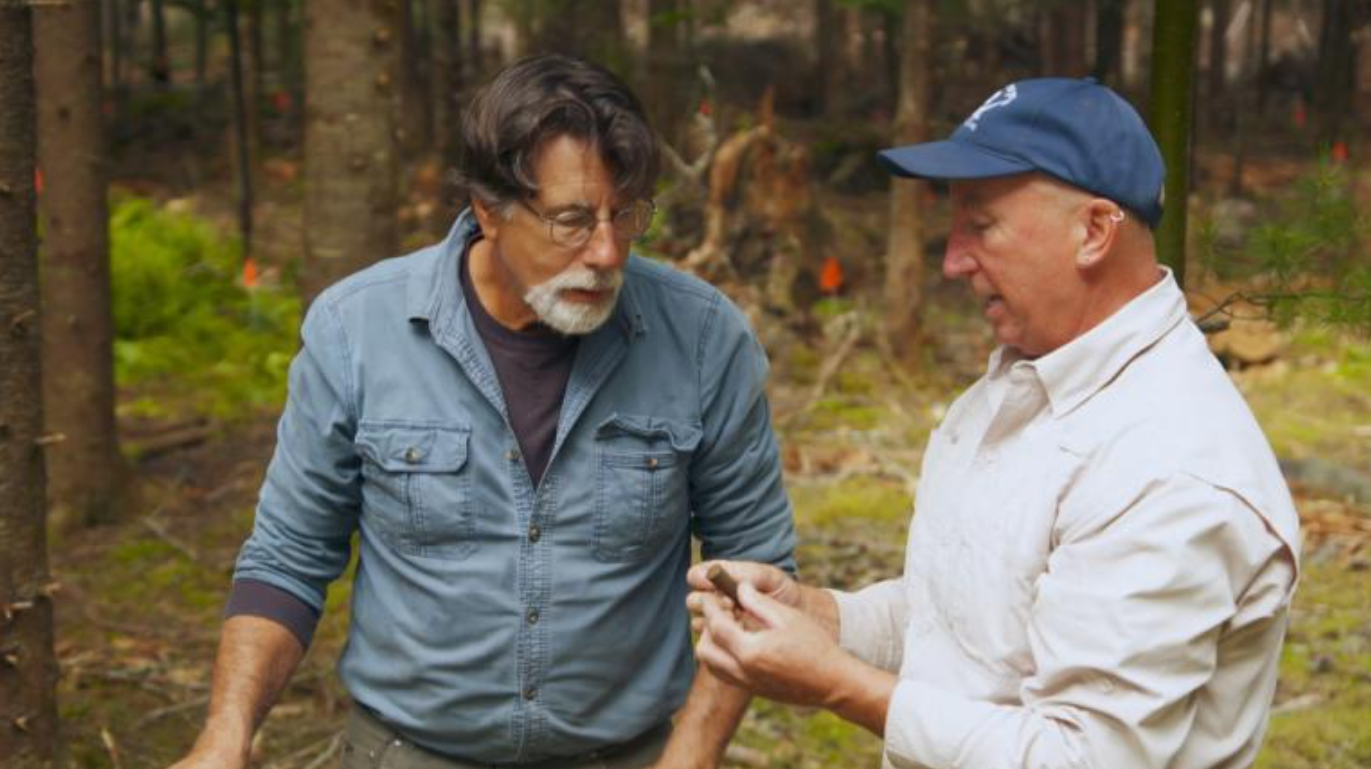
On screen, the contrast between the brothers shapes much of the programme’s tone. Rick is driven by curiosity and belief, often reflecting on the human story behind each find. Marty approaches the search with caution, focusing on logistics, cost, and feasibility. Around them is a growing team that includes engineers, archaeologists, metal-detection specialists, and local workers, all contributing to what the show calls the “Fellowship of the Dig”.
What has kept audiences engaged is not a single dramatic revelation, but the accumulation of evidence. A medieval lead cross traced to southern France, European oak timbers dated to the early 14th century, and complex water-management features beneath Smith’s Cove have all suggested that Oak Island hosted an organised operation long before modern settlement in Nova Scotia. These finds have encouraged theories involving early European explorers, military orders, and long-distance trade networks.
In recent seasons, Rick Lagina has spoken more openly about the possibility that Oak Island was not simply a hiding place, but a constructed underground facility. Advanced scanning technologies, including seismic surveys and muon tomography, have revealed large voids and straight-edged anomalies deep below the surface. According to Rick, these features point to deliberate engineering that would have required skilled labour and planning, rather than an improvised attempt to conceal valuables.
Among the theories most frequently discussed is a connection to the Knights Templar, a medieval order known for its wealth, maritime capability, and fortified architecture. The Templars were formally dissolved in the early 14th century, after which legends emerged of ships leaving Europe carrying treasures and documents to unknown destinations. Supporters of this idea note similarities between Oak Island’s underground features and known European vault designs, as well as dating results that align with that historical period.
The show has been careful not to declare final answers. Filming itself slows the work, as weeks of excavation may be condensed into a single episode, complete with maps, diagrams, and recaps to guide viewers through the technical details. Prometheus Entertainment, the production company behind the series, maintains a large base in Halifax, coordinating with provincial authorities to ensure heritage laws are followed and archaeological standards are met.
Critics have sometimes argued that the suspense is extended too far. Supporters counter that the pace reflects real research, where conclusions emerge gradually and certainty is rare. Rick Lagina himself has acknowledged this balance, explaining that the series aims to document progress honestly rather than manufacture results. Small discoveries, he has said, are meaningful because they confirm human activity and intention, even if the ultimate purpose remains unclear.
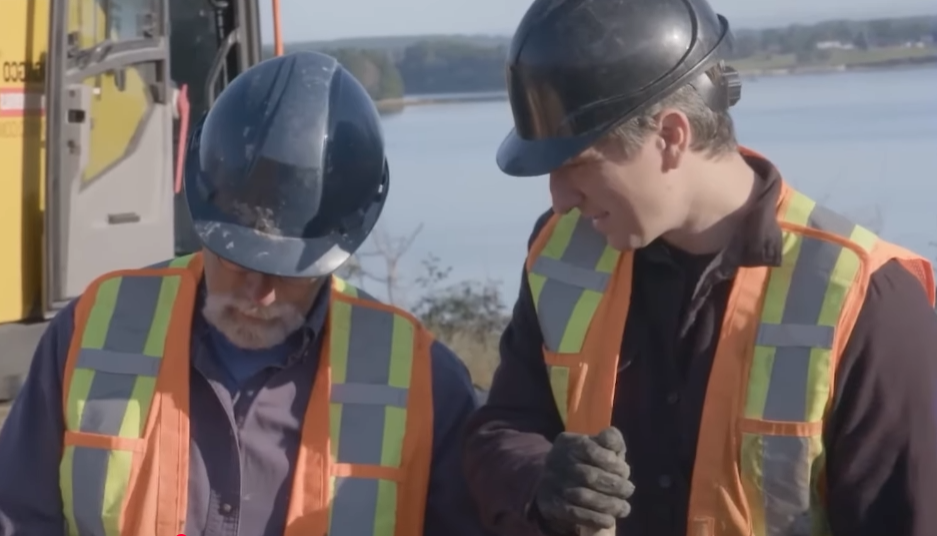
Over the years, Oak Island has also become a point of public interest beyond television. Visitors are drawn to nearby areas, and younger audiences have shown renewed curiosity about history, engineering, and archaeology. For Rick, this impact is part of the reward. He has often said that solving the mystery matters, but so does inspiring others to ask questions and think critically about the past.
As the search continues, Oak Island remains what it has always been: a place where certainty is rare, but evidence continues to accumulate. Whether the team eventually uncovers a sealed chamber, written records, or proof of early transatlantic contact, the broader significance may lie in what the island represents. It is a reminder that history is not always neatly recorded, and that understanding it can require patience, collaboration, and respect for those who came before.
For Rick Lagina and his team, the work is ongoing. Each season adds another layer to the island’s story, bringing viewers closer to understanding why so much effort was once spent shaping what lies beneath this quiet stretch of Nova Scotia’s coastline.