Team Pierces 200-Foot Barrier in Search of Legendary Vault
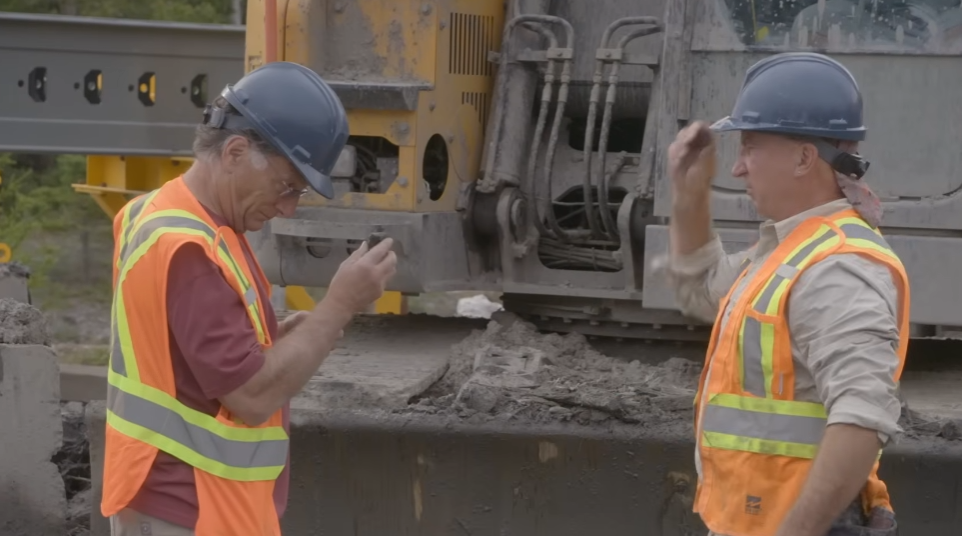
The air at the Money Pit area was thick with anticipation this week as the fellowship of the dig, led by brothers Rick and Marty Lagina, pushed their latest caisson, “Cerberus,” toward a depth rarely seen in the 227-year history of the search. Named after the mythical three-headed guardian of the underworld, the massive steel shaft is currently “chewing through” the remnants of the 1931 Chappell Shaft, aiming for a definitive confrontation with the elusive Oak Island vault.
A Tool From the Darkness
The week’s primary breakthrough came not from gold, but from a “chunky” fragment of hand-wrought iron recovered from over 160 feet underground. Found in the TOT-1 shaft spoils by Marty Lagina and metal detection specialist Gary Drayton, the artifact appears to be the tip of a primitive pickax.
Geologist Terry Matheson noted that the team has now descended below the deepest reach of the historic Chappell Shaft. “We’re in a relatively modern shaft, but this iron looks way out of place,” Rick Lagina observed, highlighting the hand-wrought nature of the metal.
Back in the Oak Island laboratory, blacksmithing expert Carmen Legge provided a startling assessment. Examining the “folding grains” on the metal’s edge, Legge concluded the tool had been repeatedly struck against stone. “The only time I see primitive mining tools this shape and size was from the 1500s or early 1600s,” Legge stated.
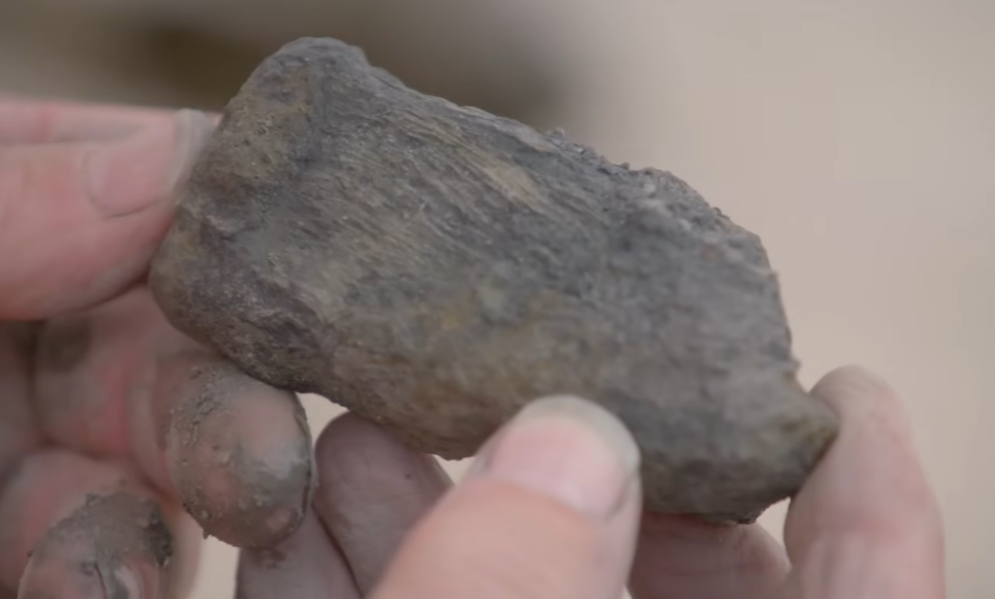
Archaeometallurgist Emma Culligan supported this timeline, noting that the chemical impurities—specifically the levels of potassium, phosphorus, and magnesium—indicate a manufacturing date between the 16th and 18th centuries. This predates the original 1795 discovery of the Money Pit by potentially three centuries, suggesting a massive, pre-colonial industrial effort.
The Maltese Connection
The discovery of the pickax has reignited theories linking the island to the Knights of Malta. During a recent research mission to the Mediterranean, the team observed 16th-century underground tunnels with engineering features remarkably similar to the reported design of the Money Pit. If the pickax is indeed a “depositor tool,” it provides a physical link between the sophisticated tunneling seen in Malta and the deep-earth works on Oak Island.
Shoreline Secrets at Smith’s Cove
While the heavy machinery battered the Money Pit, a smaller team conducted a “pet project” along the rocky shoreline of Smith’s Cove. Battling the incoming tide, Gary Drayton and Alex Lagina unearthed a heavily encrusted iron object buried four feet beneath the rocks.
Initial hopes of a shipwreck “conglomerate” were tempered in the lab when archaeologist Laird Niven identified the object as a cast-iron stove door. Despite its more modern origin—likely mid-1800s due to its manganese content—the door features a unique “starburst” design. This motif has caught the team’s attention, as it mirrors a starburst button found on Lot 5, suggesting a recurring aesthetic or cultural thread across the island’s various eras of occupation.
Chasing the Ghost of 1961
The search for the “source” of the island’s defenses continues at Smith’s Cove, where the team is hunting for the legendary man-made flood tunnels. This week, they located wooden remains believed to be the “lost hole” of the Restall family.
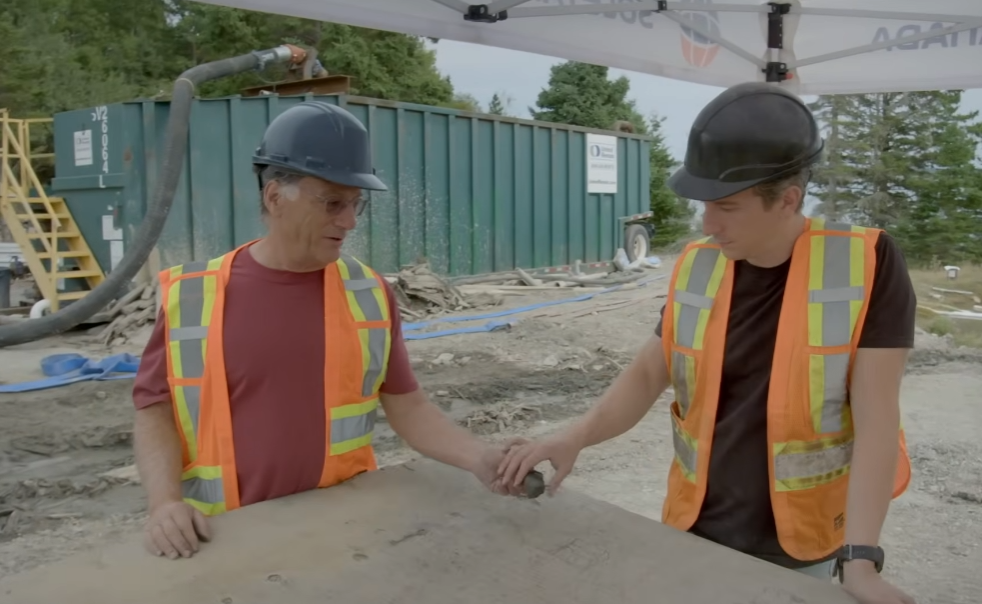
In 1961, the Restall expedition attempted to seal the flood tunnels by pouring concrete into a vertical shaft, only to have the forms “blow out.” The discovery of modern nails and a metal spike near the wooden structure confirms the team is in the Restall’s footprint. For Craig Tester, this is a vital navigational marker: “If you confirm the vertical shaft, you can hopefully find the flood tunnel itself. It’s a direct connection to the treasure.“
As the sun set on the Atlantic, the mood remained hopeful. With the TOT-1 shaft poised to break 200 feet tomorrow, the brothers are ready to enter “the void.“
“Tomorrow could be the day,” Marty Lagina told his crew. “The quicker we go to bed, the quicker we can get up and finish this.”