VOID VERIFIED: 125-Foot Underground Structure and “Non-Ferrous” Signal Shakes Fellowship
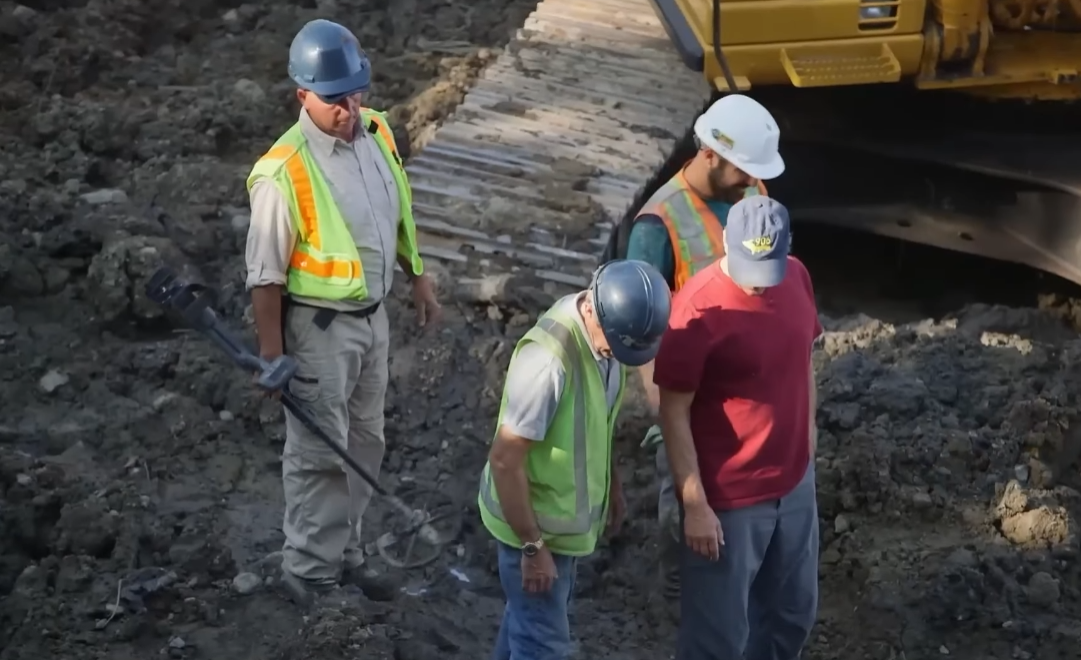
In what is being hailed as the most significant breakthrough in the 227-year history of the Money Pit, the Oak Island team has confirmed the existence of a man-made, hollow structure sitting 125 feet beneath the surface. The discovery, detailed in the latest reports from the T1 shaft, has moved the investigation from a search for clues to a targeted excavation of a verified architectural anomaly.
The Breakthrough at T1
After a season plagued by steel casing failures and subterranean collapses, the team’s “surgical” focus on the T1 shaft has finally paid off. Unlike previous finds involving scattered timber or flood tunnel debris, the data recovered at the 125-foot level shows unmistakable signs of high-level engineering.
“You can see that it’s hollow,” an operator noted as the drill string broke into a void. “It keeps going in there.” Precision scans have since outlined a structure with straight lines and intersecting angles—features that do not occur naturally in the island’s jagged limestone and glacial till. The void appears to have a stable floor and ceiling, suggesting a reinforced chamber designed to withstand the crushing pressure of the North Atlantic tides.
The “Gold” Signal
The architectural discovery was immediately followed by a revelation that froze the “War Room” in silence. Internal scanning of the void detected a strong non-ferrous metal signature. Unlike iron or steel, which oxidize and degrade over time, non-ferrous metals—such as gold, silver, bronze, and copper—can remain intact in sealed environments for centuries.
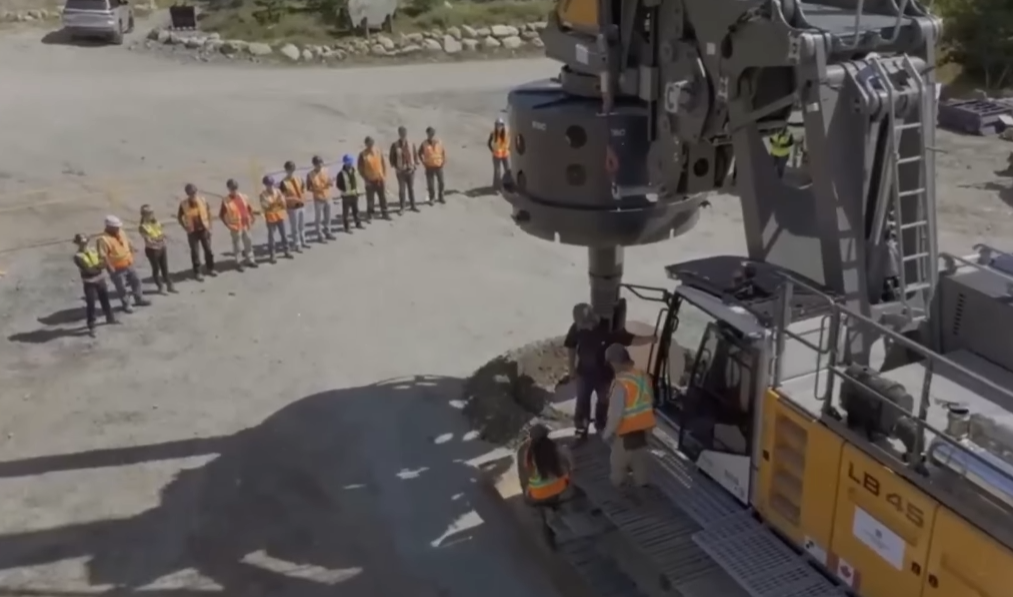
The signature is steady and concentrated, leading Marty Lagina to drop his usual analytical skepticism. “It looks like gold,” was the whispered sentiment echoing through the war room. The presence of such a reading inside a sealed, engineered vault at that specific depth points toward an intentional placement by a group with massive resources.
Engineering Beyond the 1600s
The sheer logistics of constructing a chamber at 125 feet during the pre-industrial era challenges current historical timelines. Building at this depth requires advanced knowledge of hydrogeology to bypass the island’s infamous “finger drains” and flood systems.
Recent finds of a 1500s-era pickaxe and a paved cobblestone road in the swamp further suggest that Oak Island was the site of a sustained, state-sponsored, or highly organized military operation. Pirates, the team argues, bury chests in shallow holes; they do not engineer reinforced, multi-level subterranean vaults.
A Convergence of Faith and Data
For brothers Rick and Marty Lagina, the 125-foot structure represents a rare moment of total alignment. Rick, the “believer” driven by the island’s philosophical mystery, and Marty, the “skeptic” driven by data and margins of error, have both arrived at the same conclusion: the mystery is no longer theoretical. It is physical.
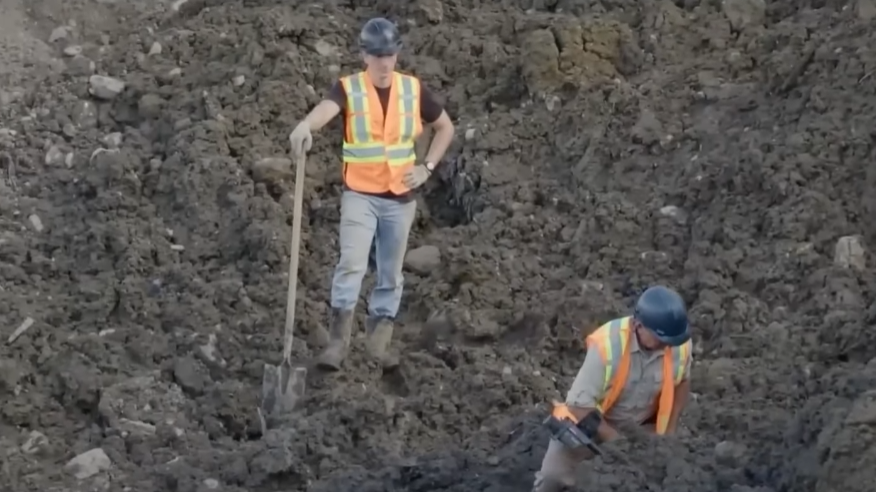
“This isn’t just another fragment,” Rick Lagina stated. “It is the moment the question shifts from is there something down there to who built it and why?“
As the team prepares for the next phase of extraction, using high-pressure tools and compressed air systems, the world watches. The “turning point” of Season 13 has arrived, and for the first time since 1795, the secret at the bottom of the Money Pit may finally be within reach.