A broken cable could disrupt a $35 million business season: This could ruin his entire season.
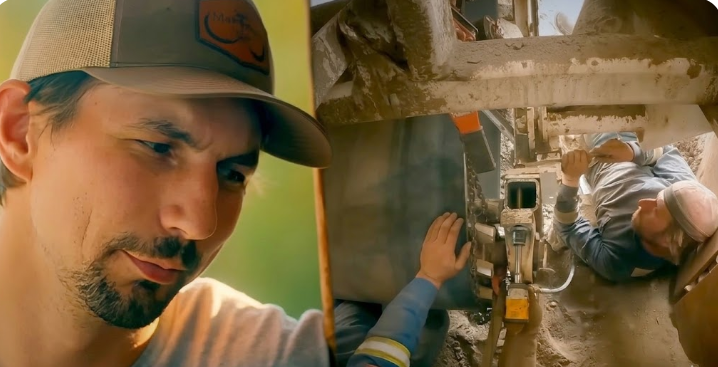
In the unforgiving world of Klondike gold mining, success is often determined not by grand discoveries but by the reliability of small mechanical details. A single malfunction can halt production, idle a crew, and cost thousands of dollars per hour. That reality has become a familiar theme for viewers of Gold Rush, where massive operations often depend on surprisingly fragile systems. Now, the possibility that a broken cable could jeopardize a $35 million season highlights just how precarious these operations truly are.
From the perspective of a Gold Rush analyst, the situation reflects one of the most critical vulnerabilities in modern placer mining: the dependence on heavy equipment infrastructure that must operate flawlessly under extreme conditions.
The Critical Role of a Single Component
On a large Klondike claim, cables are far more than simple mechanical parts. They are integral to cranes, excavators, conveyor systems, and wash plant assemblies. When a major cable fails—especially one supporting key lifting or feeding systems—the entire production chain can collapse instantly.
For an operation targeting $35 million in seasonal gold production, downtime is not measured in inconvenience but in lost ounces. A wash plant shutdown alone can stop the flow of hundreds of cubic yards of pay dirt per hour. In many cases, that means tens of thousands of dollars in lost gold recovery during every hour of inactivity.
The danger becomes even greater when the broken cable is tied to a structural or lifting mechanism. If it controls the positioning of a wash plant hopper, a stacker conveyor, or a dragline bucket, operations may not simply slow—they may completely stop until repairs are completed.
Why This Happens So Often in the Klondike
Gold mining in the Yukon is brutal on machinery. The combination of freezing winters, muddy ground, abrasive gravel, and constant vibration puts extraordinary stress on equipment. Steel cables that would last years in other industries can wear down rapidly when exposed to the Klondike’s harsh conditions.
In addition, many mining crews run their machines nearly nonstop during the short summer season. When the ground finally thaws and sluicing begins, crews operate for long shifts in order to recover as much gold as possible before winter returns.
That relentless schedule accelerates wear on critical components.
From an operational standpoint, a broken cable is rarely just a single failure. It is often the symptom of weeks of stress building within the system.

The Domino Effect of Downtime
When a cable snaps in a major mining setup, the immediate concern is safety. Crews must halt operations instantly, secure the area, and inspect nearby structures. In some cases, the equipment involved may weigh hundreds of tons, making even small mechanical failures dangerous.
After the initial shutdown, the next challenge is diagnosis and repair.
Replacing a large industrial cable is rarely quick. It may require cranes, specialized rigging teams, and replacement parts that are not always readily available in remote Yukon locations. If a replacement cable has to be transported from a distant supplier, delays can stretch into days.
For an operation aiming at $35 million in gold recovery, even a two-day shutdown could translate into losses exceeding several hundred thousand dollars.
And if the failure occurs during a critical production window—such as peak mid-season output—the consequences can be even more severe.
The Strategic Pressure on Mine Bosses
From a strategic perspective, a cable failure places immense pressure on mine bosses. Leaders like Parker Schnabel, Tony Beets, or Rick Ness must decide quickly whether to pause operations entirely or attempt temporary workarounds.
Neither choice is simple.
Continuing production with partially compromised equipment could risk further damage or safety issues. But shutting down completely may threaten production targets that have been carefully calculated around fuel costs, crew salaries, and seasonal deadlines.
That tension is exactly what makes these moments so compelling for viewers of Gold Rush. Mechanical setbacks are not merely technical problems—they become strategic turning points that can reshape an entire season.
Possible Outcomes for the Season
If the cable issue is resolved quickly, the damage to the season may remain limited. Mining crews are accustomed to adapting rapidly, and experienced mechanics often manage impressive repairs in difficult conditions.
However, several factors could determine how serious the situation becomes.
First, the location of the failure matters. If the cable is connected to a primary wash plant or a core loading system, production could stall across the entire claim.
Second, the availability of replacement equipment will influence recovery speed. Operations with spare parts or backup systems can resume work far more quickly than crews dependent on a single critical machine.
Third, weather always remains an unpredictable variable. If repairs coincide with rain, flooding, or early cold temperatures, even minor delays can compound into larger setbacks.
What Viewers Should Watch For
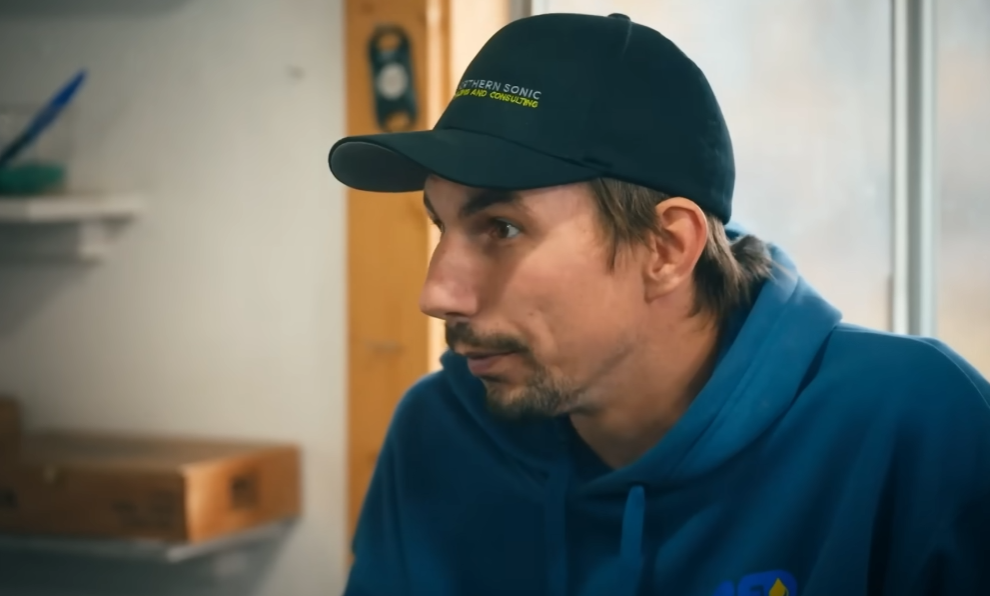
From a narrative standpoint, cable failures often signal pivotal moments in Gold Rush storylines. These events frequently lead to intense overnight repairs, emergency engineering solutions, and sometimes surprising innovations from the crews.
If the current situation follows that pattern, viewers may soon see teams improvising with alternative machinery, rerouting material flows, or modifying their mining strategy to maintain production.
In the high-pressure environment of the Klondike, survival often depends on creativity as much as mechanical skill.
A Reminder of Mining’s Fragility
Ultimately, the threat posed by a broken cable illustrates one of the central truths of gold mining: massive fortunes can hinge on the smallest mechanical details.
A $35 million season may depend on hundreds of machines, thousands of gallons of fuel, and miles of moving gravel. Yet the entire operation can still be halted by a single piece of steel under strain.
For miners in the Yukon—and for viewers watching from around the world—that reality remains part of the enduring drama of Gold Rush.
Because in the Klondike, the difference between a record-breaking season and a financial disaster can sometimes come down to the strength of a single cable.