Unveiling the Current Challenges: The Surprising Reason Why Jeremy Clarkson Is Actually Saving Agriculture
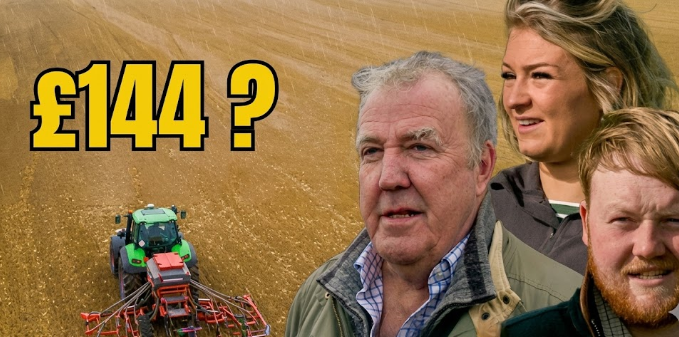
Jeremy Clarkson, the former Top Gear host turned farmer, has come a long way since he first purchased Diddly Squat Farm back in 2008. What began as an impulsive decision during the financial crash has turned into one of the most entertaining, eye-opening, and often frustrating journeys in British farming. With the launch of Clarkson’s Farm on Amazon Prime, Jeremy’s farming venture has become a platform for showcasing the stark realities of modern farming, from governmental red tape to unpredictable weather, all while bringing a level of humor and sincerity to the process that most farming documentaries fail to deliver. But the question remains: can Clarkson, a self-proclaimed “petrolhead,” succeed at the helm of a farm? And what does this show really reveal about the state of farming in the UK today?
Since the show’s debut in 2021, Clarkson’s journey into the world of farming has resonated with audiences and gained significant traction. The show highlights the daunting challenges farmers face every day, all while featuring Clarkson’s signature wit and self-deprecating humor. In the series, Clarkson is joined by a team of seasoned professionals, including Caleb Cooper, the farm’s young star, and his trusty right-hand man, Charlie Ireland. Together, they battle through tough seasons marked by weather anomalies, bureaucratic hurdles, and the high costs of running a farm. Despite Clarkson’s brash persona, there’s an underlying respect for the farming community that has made Clarkson’s Farm such an unexpected hit, earning praise for its authenticity and for raising awareness of an industry many people overlook.
Yet, Clarkson’s farm journey has not been without its struggles. Farming is far from easy, as he quickly discovered. With limited prior experience, he was plunged into the intricacies of planting crops, managing livestock, and navigating the complexities of UK farming subsidies and regulations. Season one of Clarkson’s Farm saw Clarkson learning firsthand the financial strain that farming can impose, especially when dealing with poor yields and ever-increasing operating costs. In the show’s second season, things didn’t get easier. Clarkson had to battle against rising costs in the wake of the Ukraine war and rising inflation, making farming an even more financially precarious endeavor. It was clear that, without the millions Clarkson had earned from his TV career, the farm’s struggles would be much more dire.
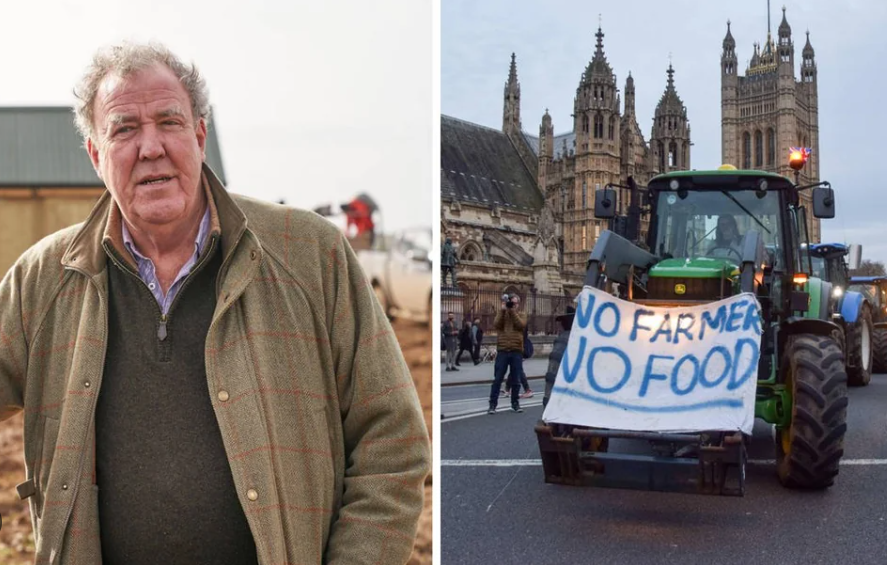
Farming has also become increasingly difficult for the average UK farmer, a fact Clarkson’s Farm highlights through its documentary-style format. In season two, Clarkson has been forced to diversify his farm in an attempt to generate additional income, starting a restaurant, building a country track, and even launching a cider business. However, even diversification hasn’t been without its hurdles, with local councils blocking some of Clarkson’s most promising ideas. His restaurant was forced to shut down, and bureaucracy continues to impede his efforts to bring in new revenue streams. Beyond these personal challenges, Clarkson also faced a hard truth: farming’s future in the UK is at a breaking point. The loss of EU subsidies, combined with government policies that seem out of touch with the needs of farmers, have made it harder than ever for traditional family farms to survive. This is a theme that has echoed throughout Clarkson’s Farm—farming is no longer as financially sustainable as it once was.
But despite these obstacles, Clarkson’s journey has struck a chord with many viewers. The show has offered more than just a comedic look at Clarkson’s failures as a farmer. It has illuminated the pressures faced by real farmers—especially young farmers like Caleb Cooper, who has become a vocal advocate for the future of farming in the UK. With the release of season three in 2024, Clarkson’s farm faced even more trials, including the rising cost of seed, fertilizer, and chemicals, but it also continued to push boundaries. The farm saw profits through cider production, though there were issues with the fermentation process and exploding bottles, leading Clarkson to issue a public service announcement to ensure consumer safety. Even through these setbacks, Clarkson continues to push for sustainability, all while trying to make his farm a thriving enterprise.
Clarkson’s honest portrayal of farming’s difficulties makes it clear that, despite the humor and chaos, farming requires immense dedication, adaptability, and, above all, patience. The show’s success lies not just in Clarkson’s comedic antics but in the way it brings attention to the unseen labor that goes into farming. It serves as a wake-up call for a society disconnected from the realities of food production, offering a glimpse into the challenges faced by farmers across the UK. Clarkson’s Farm has undoubtedly shone a light on the difficulties of farming, making viewers appreciate not just the food on their plates but the incredible efforts behind it.
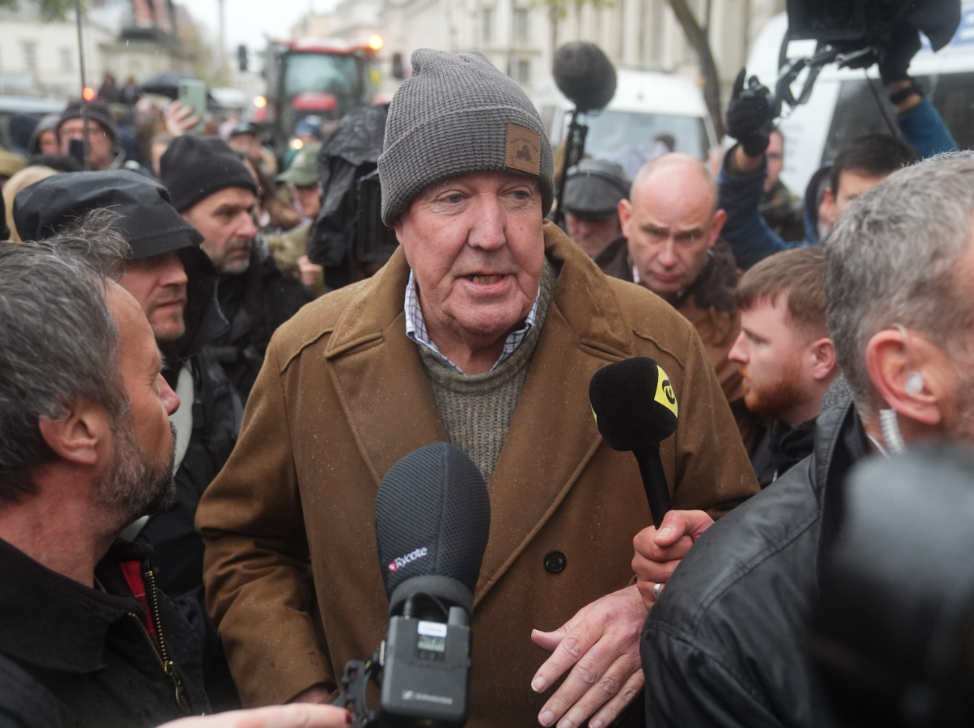
The personal and professional challenges Clarkson has faced, from financial struggles to facing off with local authorities, are universal in the farming world. As the world becomes more focused on sustainability and environmental issues, Clarkson’s Farm paints a picture of how complex these changes are for farmers. It’s easy to say we should transition to sustainable farming, but it’s another thing entirely when you’re the one who has to make it work. Clarkson’s evolving role as a farmer—and as a voice for farmers—offers a compelling narrative about the future of British farming and the importance of supporting those who dedicate their lives to feeding the nation.
In the end, Clarkson’s Farm is much more than just a farming reality show. It is a poignant, often humorous, look at the struggles of modern-day farming, and a testament to the resilience and hard work of farmers. Clarkson himself may not be an expert in agriculture, but his willingness to show the realities of the job has made a lasting impact, both on his viewers and the farming community itself. Whether Clarkson’s own farm will thrive or eventually be sold remains to be seen, but one thing is certain—his journey has given a much-needed voice to the challenges that farmers face every day.