The discovery of prehistoric dinosaur fossils on Oak Island provides new clues that redefine the history of this mysterious island.
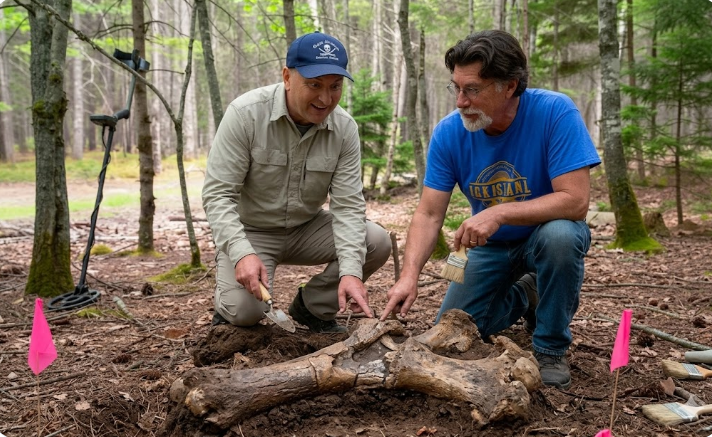
In the world of The Curse of Oak Island, each season brings new discoveries that challenge the theories, history, and secrets hidden on the island. While treasure hunters have long been fixated on uncovering a possible pirate fortune or ancient artifacts, a recent discovery has taken the team—and the viewers—on an entirely unexpected and fascinating new path. In the latest development on the island, a fossilized dinosaur bone was uncovered, raising questions that could potentially rewrite the history of Oak Island.
This discovery may seem unrelated to the treasure hunt that has captivated fans for years. However, the implications are far-reaching, providing a crucial clue that not only shifts the focus of the investigation but also challenges the established timeline of the island’s mysterious past. This article will explore what the discovery of the dinosaur fossil means, how it could change the future of the Oak Island search, and what we can expect in upcoming episodes of The Curse of Oak Island.
The Surprising Discovery: A Dinosaur Fossil
The recent fossil find on Oak Island was no ordinary artifact—it is a prehistoric dinosaur bone. This discovery marks a significant departure from the usual objects found on the island, which have typically been tied to more recent human activity, such as items from the 17th century, shipwrecks, or potential connections to the Knights Templar. The fossilized bone, which appears to be from a dinosaur species that once roamed the area millions of years ago, is an unexpected addition to the growing collection of mysterious objects found beneath Oak Island’s surface.
What makes this fossil even more intriguing is the context in which it was discovered. The fossil was uncovered in one of the deeper layers of the island, a level that researchers had not previously believed to contain prehistoric remains. The team’s drilling efforts, which were originally aimed at uncovering treasure or human-made artifacts, instead turned up a bone that could shift the entire understanding of Oak Island’s geological history. In fact, the fossil could have major implications for the island’s origins, shedding light on a time long before human presence—potentially even before recorded history.

Redefining the Timeline of Oak Island
What does the discovery of a prehistoric dinosaur fossil mean for Oak Island? For years, the island has been shrouded in mystery, with theories ranging from ancient treasure hoards to elaborate secret societies using the island for hidden purposes. The fossil find has raised the possibility that Oak Island may not have been the “young” island we once thought it to be. It is possible that the island’s landmass has been around for far longer than initially believed.
The discovery could imply that Oak Island was not just a place for human exploration but also a landscape that prehistoric life once inhabited. Paleontologists have speculated that the island may have once been part of a larger landmass, possibly even part of the ancient supercontinent of Pangaea, which split apart millions of years ago. With this new fossil evidence, researchers might need to reevaluate the island’s geographical and ecological history, potentially placing it in a much broader timeline than originally considered.
For fans of The Curse of Oak Island, this discovery offers the chance to dive into a completely new layer of research. It could signal a shift away from solely treasure hunting and move into a deeper investigation of Oak Island’s prehistoric past. The more we learn about the geological history of Oak Island, the more we will understand the conditions that led to the creation of the island as we see it today. The fossilized bone may hold the key to unlocking this hidden timeline.
The Potential Impact on the Search for Treasure
While the fossil discovery may seem disconnected from the quest for treasure, it actually presents an exciting new perspective on the island’s geology and could provide the team with a deeper understanding of where to look next. As we’ve seen throughout The Curse of Oak Island, the search for treasure has been hindered by geological factors—unexpected shifts in soil, dangerous flood tunnels, and unstable ground conditions. Understanding Oak Island’s geological layers and their origins could assist the team in identifying areas that are more likely to yield the artifacts or treasure they’ve been searching for.
The fossil could also point to unexplored areas of the island that have previously been overlooked. It’s possible that the team may now have to explore different sites on Oak Island, expanding the search beyond the traditional areas associated with treasure. With the geological context provided by the fossil, the team could refine their strategy to focus on the older layers of the island that were once home to prehistoric creatures. This could lead to new, unexplored sections of the island and open the door to discovering treasures that were hidden in unexpected places.
Another possibility is that this discovery could shift the search towards understanding how prehistoric life might have interacted with the island. If dinosaurs once roamed Oak Island, it’s possible that other ancient creatures or natural wonders could be buried on the island, waiting to be uncovered. A deeper understanding of Oak Island’s past could reveal hidden clues that would otherwise remain buried beneath the surface.
Looking Ahead: What’s Next for the Oak Island Team?
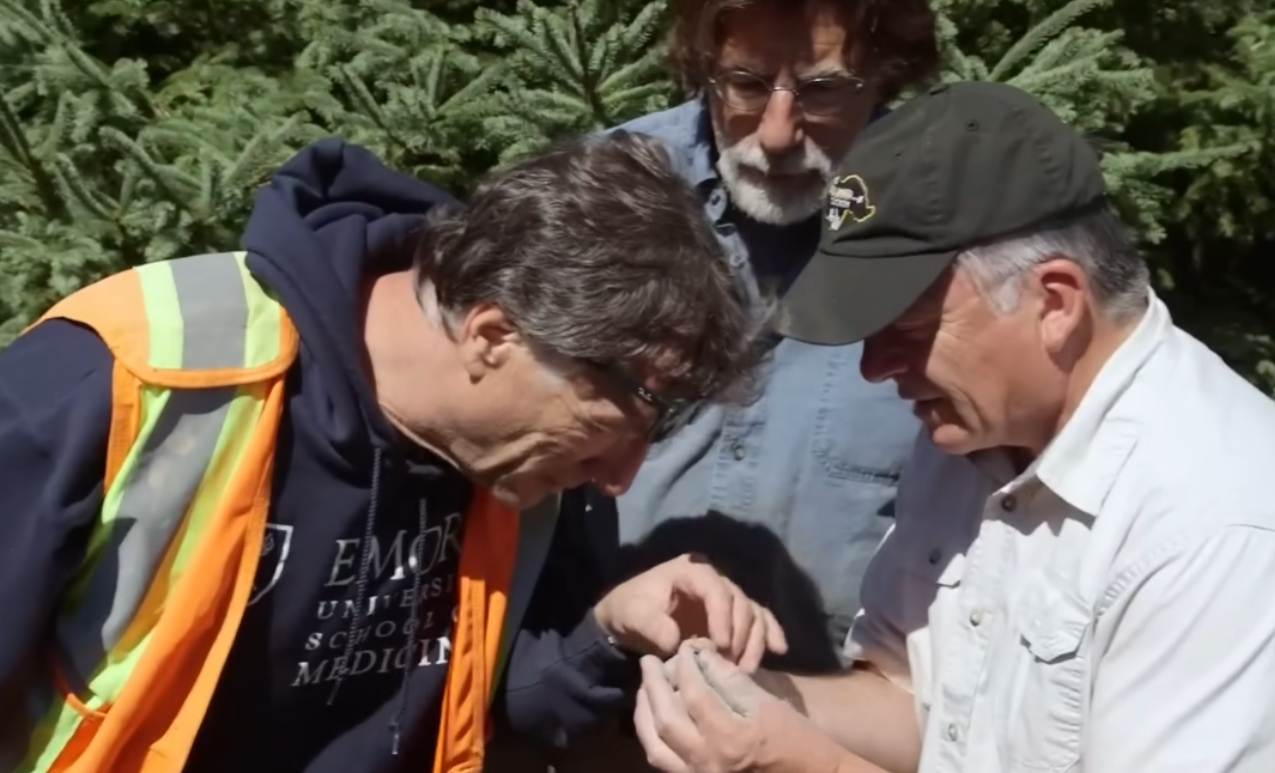
As Season 13 of The Curse of Oak Island unfolds, the discovery of the dinosaur fossil is likely to be a game-changer. The team, led by Rick and Marty Lagina, now has an entirely new area of interest to explore. The island’s geological history, previously an afterthought in the treasure hunt, is now taking center stage. Fans can expect to see a shift in focus as the team investigates the fossil’s implications and begins to uncover more about the island’s past.
The discovery could also open the door to collaboration with paleontologists and geologists who specialize in prehistoric life. Experts in these fields could provide invaluable insight into the island’s ancient history, helping the team make connections between the fossil, the geology, and the possibility of buried treasure.
As the team moves forward with their investigation, the fossil discovery raises a tantalizing question: what else lies hidden beneath Oak Island? The team’s exploration of the prehistoric past could lead to new and unexpected findings, bringing a fresh perspective to the island’s enigmatic history.
In conclusion, the discovery of a dinosaur fossil on Oak Island may seem unrelated to the long-running quest for treasure, but it adds a fascinating new layer to the mystery. It challenges our understanding of the island’s geological history, and it could provide valuable clues to help the team uncover secrets that have been buried for centuries. With this new discovery, Oak Island’s past is now more intriguing and mysterious than ever, offering fans new hope for future revelations. The saga of Oak Island is far from over—and with each new discovery, the island’s secrets continue to unfold, one layer at a time.