THE SMITH’S COVE ANOMALY: Rick Lagina Confirms “Deliberate” Medieval Structure
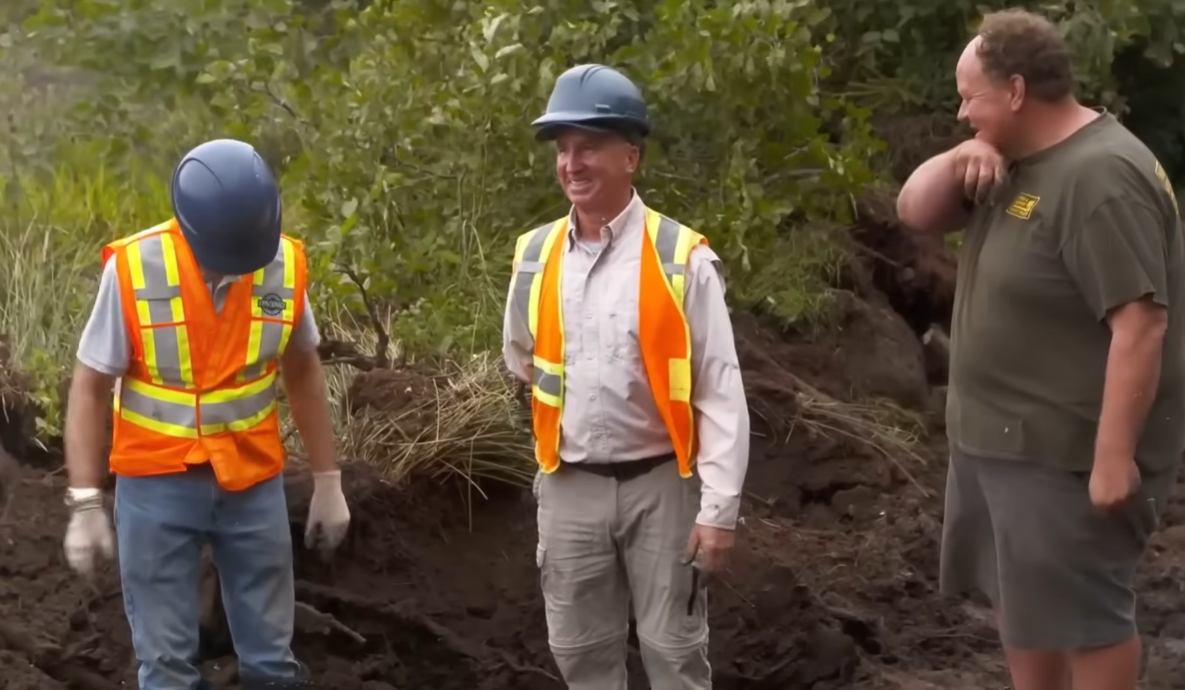
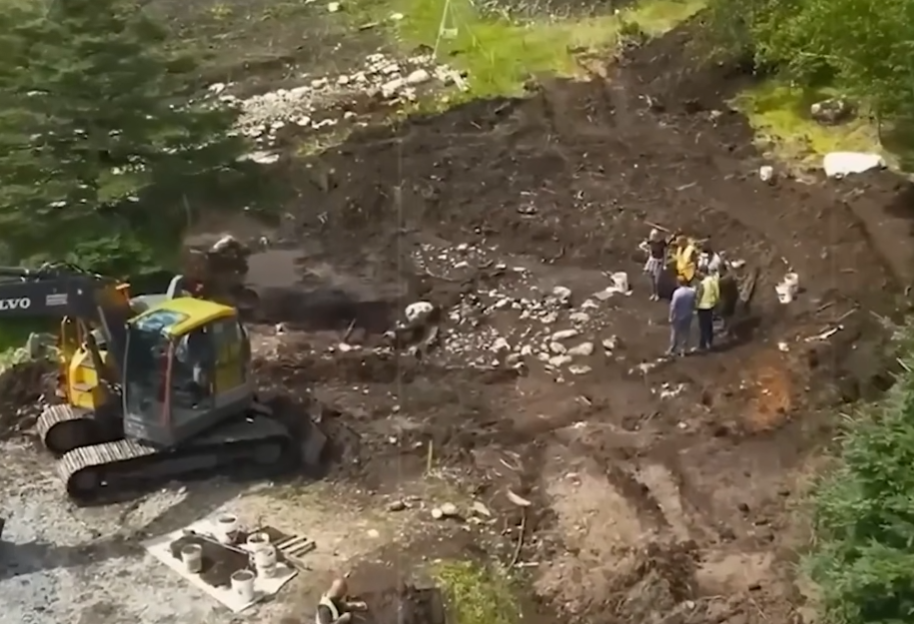
In a 2026 breakthrough that has reignited the global fascination with the Oak Island mystery, Rick and Marty Lagina have confirmed the discovery of a massive, engineered structure buried deep within the tidal sands of Smith’s Cove. The find, which Rick Lagina suggests “wasn’t supposed to exist,” points to a level of maritime engineering far predating the 1795 discovery of the Money Pit.
The revelation centers on a series of structural alignments and artifacts that have emerged from the inner tidal zone. Metal detection expert Gary Drayton, whose “Cheshire Cat grin” signaled the magnitude of the find, recovered a heavy, crudely fashioned lead cross from the site. Preliminary analysis suggests the relic could date to the medieval period, specifically between 1200 and 1600.
The Smith’s Cove Shift
For over two centuries, Smith’s Cove has been viewed primarily as the location of the island’s elaborate “finger drains”—the intake system for the flood tunnels that have booby-trapped the Money Pit for generations. However, the 2026 data suggests a radical shift in theory: the flood system may not have been built to protect gold, but to conceal a much larger, permanent subterranean installation.
“The question is no longer ‘is there treasure?'” Rick Lagina stated during a briefing at the Oak Island Interpretive Center. “The real question is: who engineered this island, and why was it meant to stay hidden forever?”
Breakthrough at the “Baby Blob”
While the beach yields medieval relics, the heavy machinery has been focused on the “Baby Blob,” a localized area of high-density metal readings near the Garden Shaft.
At Borehole DN 11.5, the team breached a significant void at the 90-foot level. A core sample brought to the surface contained fragments of both ancient and “newer” processed wood, alongside a 1.5-foot gap in the geological strata. Metal archaeologist Emma Culligan subsequently confirmed that the samples contained traceable gold signatures, strengthening the resolve to launch a “sideways” horizontal drilling operation from the 95-foot mark.
The “Seventh Man” and the Templar Shadow
The 2026 season carries a somber weight, as the team remains acutely aware of the “Oak Island Curse,” which prophesies that seven must die before the secret is revealed. With six lives already lost in the quest, the discovery of a remarkably well-preserved, handcrafted ladder descending into a shadowy, waterlogged tunnel has added a chilling layer to the investigation.
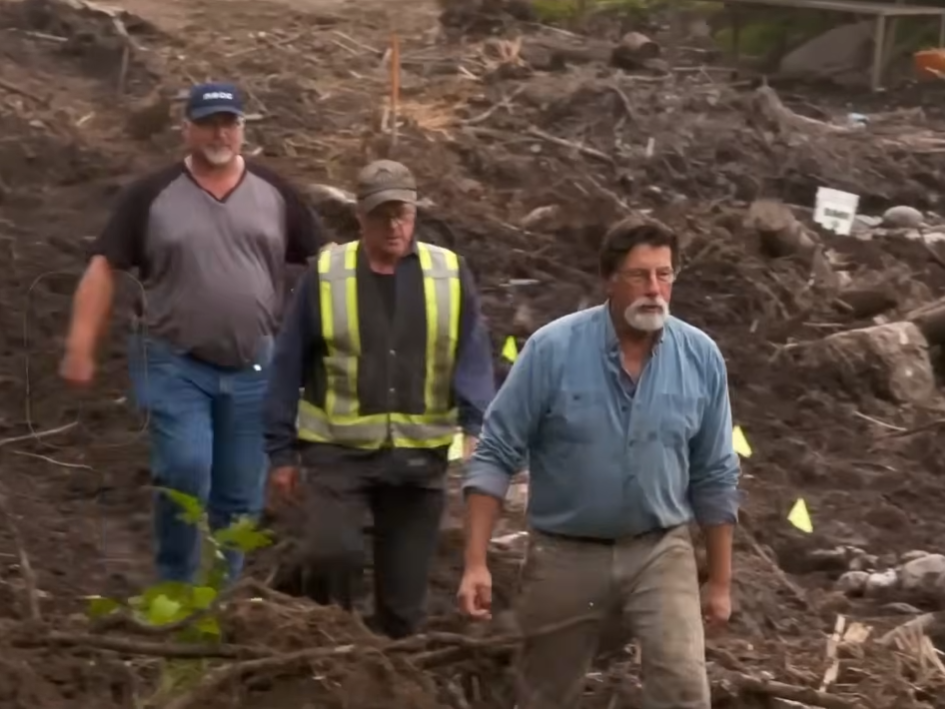
Historians and researchers are increasingly leaning toward the Knights Templar theory. The lead cross found at the cove mirrors symbols associated with the medieval Christian warriors, leading to speculation that the island served as a secure, trans-Atlantic vault for sacred relics—possibly the Ark of the Covenant or the Holy Grail—rather than simple pirate loot.
A Journey of 600 Wells
Despite the enthusiasm, the pragmatism of 230 years of failure looms large. The team has now drilled over 600 wells on the small island. While critics argue they are “digging deeper into imagination,” the consistent detection of gold and silver particulates in the water remains a “hard science” anchor for the Lagina brothers.
As the 2026 season pushes into its final months, the focus remains on the “Quadrilateral”—a strange stone shape mapped by the late Fred Nolan. For the Fellowship of the Dig, the goal is no longer just a chest of gold; it is the closure of a mystery that has outlived every explorer who dared to face it.