A quiet battle at Diddly Squat: Gerald Cooper’s fight with cancer redefines the spirit of Clarkson’s Farm.
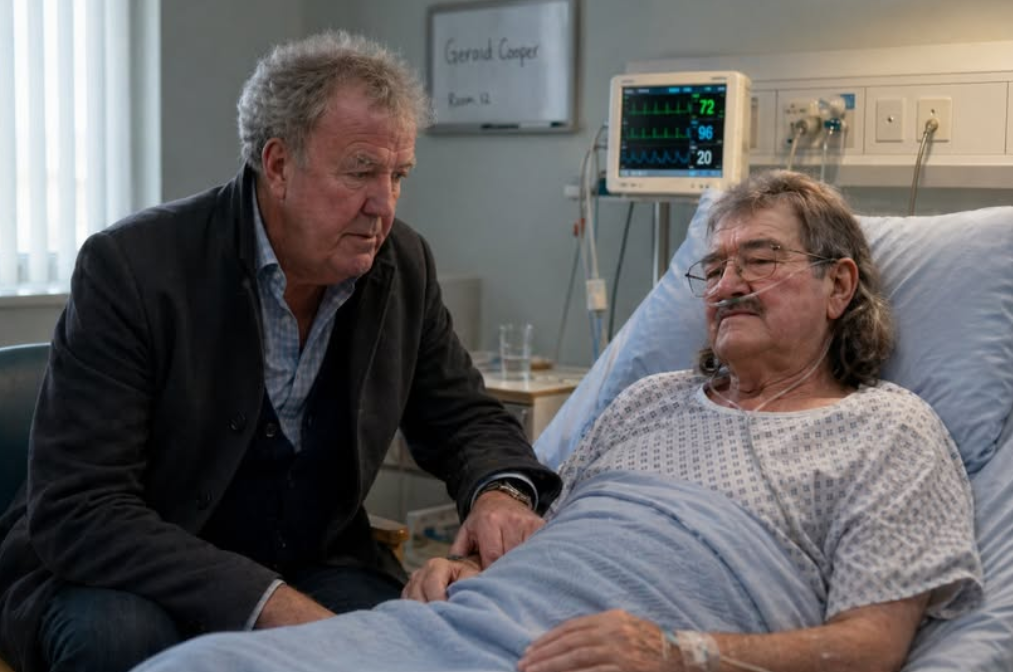
For many viewers, Clarkson’s Farm began as a fish-out-of-water comedy: Jeremy Clarkson, a man known for fast cars and blunt opinions, trying to run a working farm in the Cotswolds. The appeal was immediate. There were broken machines, confusing rules, angry weather, financial setbacks and plenty of comic frustration. But over time, the programme became something deeper than a celebrity farming experiment. It became a portrait of rural life, shaped by people who had worked the land long before television arrived.
Few figures represent that better than Gerald Cooper.
Gerald, the dry-stone waller and longtime Diddly Squat presence, became one of the show’s most loved characters almost by accident. His conversations with Jeremy were often presented with humour, partly because of his thick local accent and Clarkson’s inability to follow every word. Yet behind the comic rhythm was something more important: Gerald was not a side character created for television. He was part of the farm’s memory.
That is why his cancer story changed the emotional tone of Clarkson’s Farm. When viewers learned during series three that Gerald had been diagnosed with prostate cancer, the programme briefly moved away from the usual farming problems and into something much more personal. Reports at the time noted that he missed parts of filming while attending appointments and undergoing treatment, before later updates said he had recovered and was in good spirits.
From an analyst’s perspective, Gerald’s health journey became a defining moment because it showed what Clarkson’s Farm is really about. The show may be built around Jeremy’s name, but its emotional power comes from the community around him. Kaleb Cooper, Charlie Ireland, Lisa Hogan, Gerald Cooper and the wider Diddly Squat team have turned the series into a story about relationships, continuity and rural resilience.
Gerald’s illness reminded viewers that farm life is not only a cycle of sowing, harvesting and selling. It is also a human network. When one person is absent, the entire rhythm changes. Dry-stone walls still need attention. Fields still need managing. Animals still need care. But something feels missing. In Gerald’s case, that absence carried emotional weight because he had come to symbolise a kind of old rural knowledge that cannot easily be replaced.
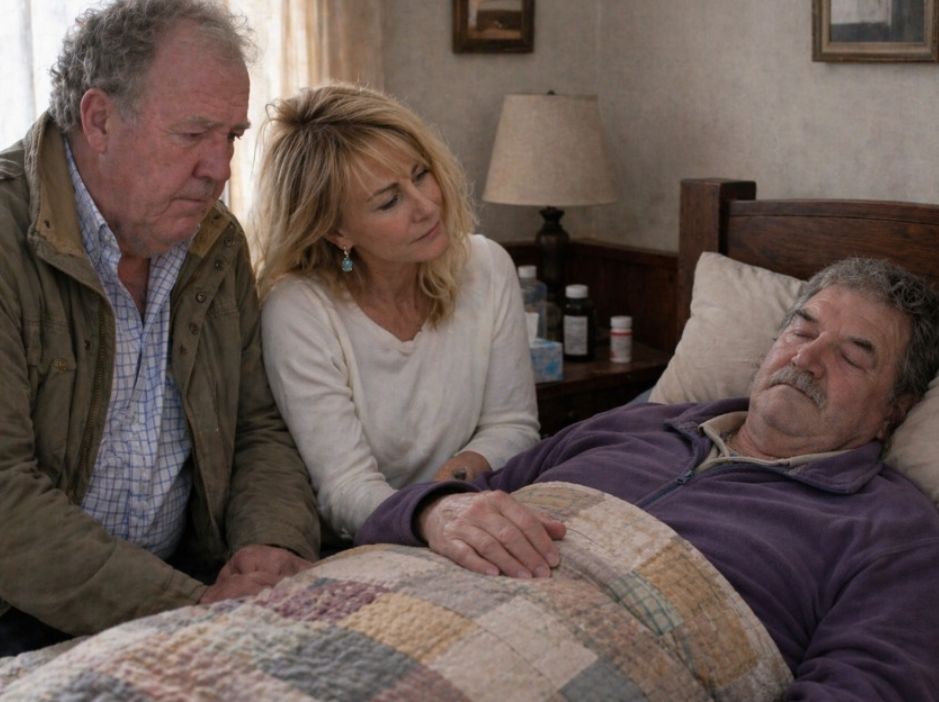
This is where Clarkson’s Farm differs from many celebrity-led documentary series. It does not only ask whether Jeremy can succeed as a farmer. It asks what farming does to the people who stay with it year after year. Gerald’s quiet fight reframed the show’s spirit because it placed vulnerability beside humour. The same programme that can laugh at a machinery mistake can also pause for a friend facing a frightening diagnosis.
Jeremy Clarkson’s response also mattered. His on-screen persona is often loud, impatient and sarcastic. But Gerald’s illness exposed a softer dynamic. Viewers saw concern rather than performance. That contrast is one reason the moment resonated. Clarkson’s Farm works best when it shows Jeremy not as a celebrity controlling the story, but as someone affected by the people around him.
Lisa Hogan’s updates later helped reassure fans, with reports describing Gerald appearing in good spirits and enjoying time with members of the Diddly Squat circle. That public affection showed how strongly viewers had connected with him. Gerald’s story did not feel like a brief subplot. It felt like news about someone audiences had genuinely come to care about.
Looking ahead, Gerald’s recovery and continued presence could shape future episodes in several ways. The first likely development is a warmer, more reflective tone whenever he appears. The show does not need to overstate his health journey or return to it repeatedly. In fact, the most respectful approach would be subtle: a moment of him back at the farm, a laugh with Jeremy, a wall repaired, a familiar exchange that tells viewers he remains part of the Diddly Squat family.
The second possible development is that Clarkson’s Farm may lean further into the theme of legacy. Gerald represents skills and local knowledge passed down through practice rather than formal instruction. Dry-stone walling, understanding field boundaries, reading land by habit — these are not just tasks. They are part of rural identity. His illness may remind the programme that such knowledge is fragile. When older farm workers are no longer able to work as they once did, something larger than labour is at risk.
That could create meaningful scenes with Kaleb Cooper. Kaleb represents the younger generation of farming: ambitious, direct, practical and media-aware. Gerald represents continuity and tradition. A future episode that quietly places them together — not as relatives, but as two different generations of rural experience — could say more about farming than any speech about policy or profit.
The third prediction is that Gerald’s journey may deepen the show’s engagement with health and isolation in rural communities. Clarkson’s Farm has already shown that farmers face long hours, uncertain income and emotional pressure. Without turning the programme into a medical documentary, it could still show how rural people rely on neighbours, friends and local networks when life becomes difficult. Gerald’s story gives that theme a human face.
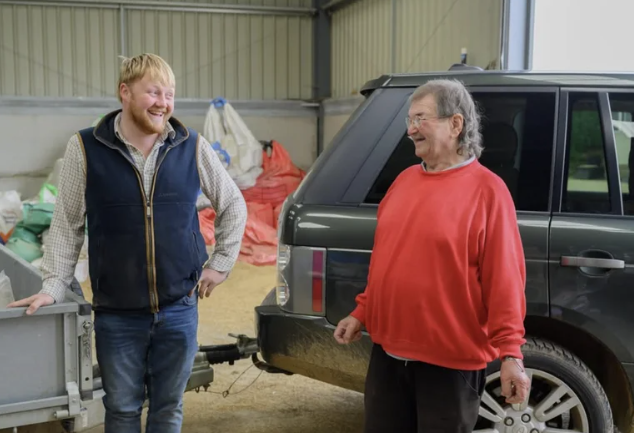
There is also a broader audience impact. Fans often come to Clarkson’s Farm for humour, but they stay because the show feels real. Gerald’s quiet battle reinforced that authenticity. It reminded viewers that Diddly Squat is not a fictional setting built for entertainment. It is a real place where people age, worry, recover, return to work and support one another.
That may be the lasting significance of Gerald Cooper’s story. It did not redefine Clarkson’s Farm by adding spectacle. It did so by stripping the programme back to something simple: friendship, loyalty and the value of familiar faces in difficult times.
For future seasons, the show’s challenge will be to honour that without exploiting it. Gerald does not need to become the centre of a prolonged emotional arc. His strength on screen has always been his natural presence. The best outcome would be to let him remain exactly what fans have always loved: a man of the farm, part of the landscape, quietly essential.
In that sense, Gerald Cooper’s fight with cancer has already changed Clarkson’s Farm. It has reminded viewers that beneath the tractors, planning disputes and comic frustration lies the real heart of the series — a community trying to keep going, together.