Jeremy Clarkson fears that Diddly Squat will withdraw from real farming due to a truly alarming issue.
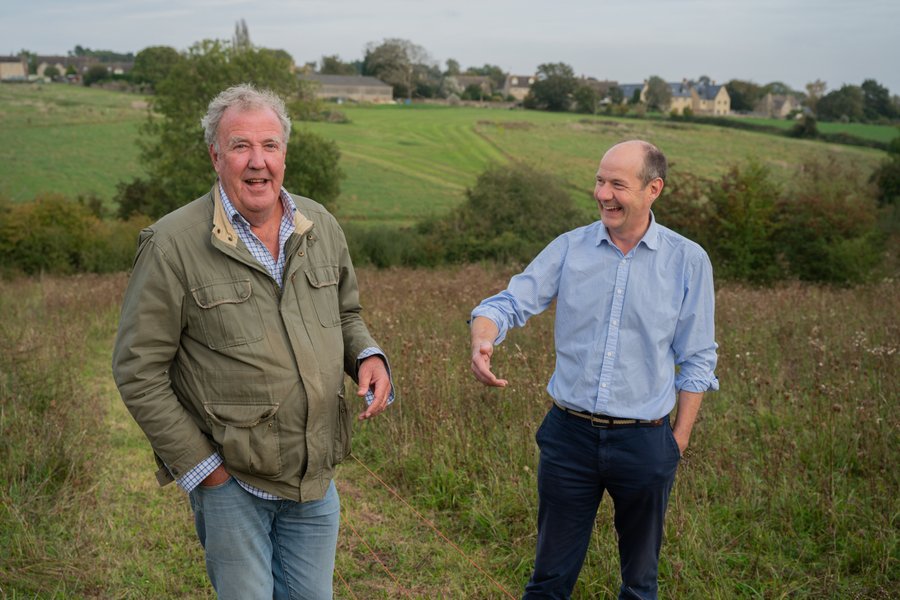
Jeremy Clarkson has admitted that Diddly Squat Farm is barely doing any traditional farming this year, as rising costs, poor returns and mounting pressures force the television presenter to rethink how his Oxfordshire operation can survive.
The Clarkson’s Farm star, who runs the Cotswolds farm with Kaleb Cooper, Charlie Ireland, Lisa Hogan and Gerald Cooper, said the business has moved away from its usual focus on crops and livestock after another difficult period in British agriculture.
Instead, Clarkson has turned his attention to rabbits and market gardening, arguing that conventional farming has become increasingly difficult to justify financially.
Speaking in a recent interview, the former Top Gear presenter said Diddly Squat is not doing much real farming this year, apart from raising rabbits and growing herbs for the farm shop. His comments underline a familiar theme for viewers of Clarkson’s Farm: the gap between the romantic image of countryside life and the financial reality faced by many working farms.
Clarkson has repeatedly used the Prime Video series to show how farming is affected by weather, regulation, planning issues, disease risk and volatile markets. While his celebrity status gives Diddly Squat a level of attention most farms could never expect, he has often argued that the underlying pressures are the same ones felt across the wider industry.
This year, he appears to have concluded that some traditional crops are no longer worth the effort. He claimed there was little point growing wheat or barley when the result was almost certain to be a financial loss.
According to Clarkson, fertiliser costs and future environmental charges are adding another layer of uncertainty. He suggested that the only crop showing better value was oilseed rape, partly because of its connection to oil-based products.
His decision to move into rabbit farming came after he noticed that British restaurants were importing rabbit meat from France. Clarkson said he saw a gap in the market for British-produced rabbit and decided to test whether Diddly Squat could meet that demand.
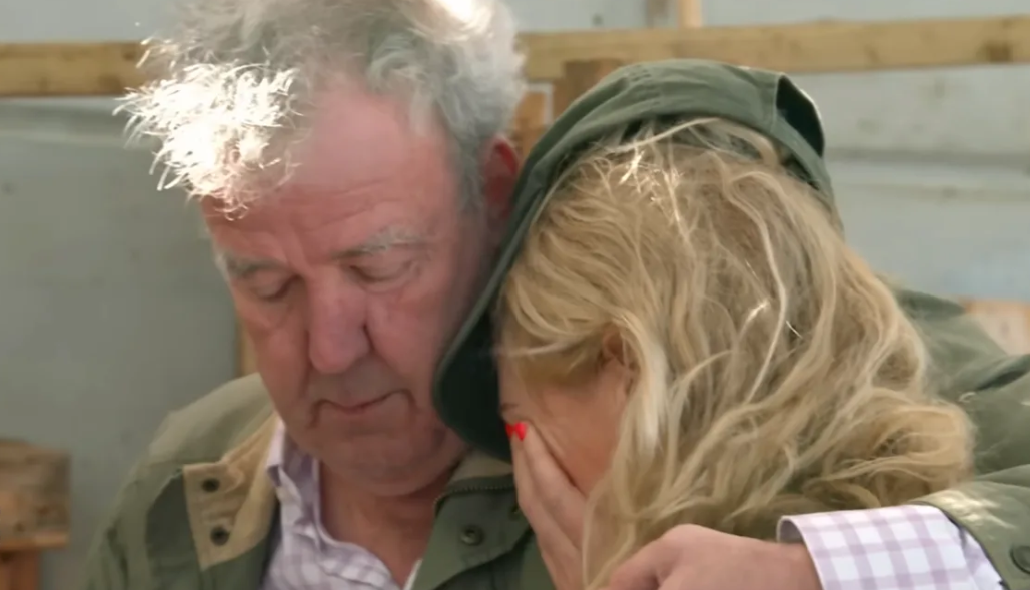
The idea is likely to divide opinion among viewers. Clarkson has never avoided the harder realities of farming on screen, including the emotional side of keeping livestock and the commercial decisions that come with it. His latest move continues that pattern, presenting farming not as a gentle countryside hobby but as a business where sentiment often collides with survival.
He also pushed back against the idea that working on a beautiful farm softens the impact of difficult days. According to Clarkson, bad days on the farm can be extremely hard, especially when animals are affected by illness, accidents or other setbacks.
That blunt assessment has become part of the appeal of Clarkson’s Farm. Since launching in 2021, the series has attracted viewers who may have first arrived for Clarkson’s humour, but stayed for its unexpectedly detailed look at modern agriculture. The show has turned Kaleb Cooper, Charlie Ireland, Lisa Hogan and Gerald Cooper into familiar faces, while also making planning disputes, crop yields and livestock problems part of mainstream entertainment.
Diddly Squat has also expanded beyond the fields. Clarkson’s farm shop became a major attraction, drawing visitors to Chadlington, while The Farmer’s Dog pub in Asthall added another public-facing business to his rural empire. Those ventures have brought publicity and customers, but they have also placed Clarkson in regular conflict with local councils, critics and political figures.
The latest interview also showed that Clarkson’s disputes are not limited to farming economics. He was asked about Green Party leader Zack Polanski, with whom he has exchanged sharp public criticism in recent months. Clarkson made clear that Polanski would not be welcome at The Farmer’s Dog, continuing the presenter’s habit of mixing farming commentary with political provocation.
That stance follows his earlier decision to say Prime Minister Sir Keir Starmer would not be welcome at the pub when it opened in August 2024. Clarkson has positioned The Farmer’s Dog not only as a hospitality business, but also as a statement about British farming, rural identity and food production.
For fans, the timing of these comments is significant. The next season of Clarkson’s Farm is expected to show the past year of challenges at Diddly Squat, including the financial strain and practical choices behind the scenes. If Clarkson’s latest remarks are any guide, season five may focus less on the dream of rural self-sufficiency and more on the hard calculations required to keep a modern farm operating.
The move into rabbits and herbs may sound unusual, but it fits the wider story the programme has been telling for years. Clarkson arrived at farming with enthusiasm, money and a large public platform. Even with those advantages, he has repeatedly found that the business is unpredictable, heavily scrutinised and often difficult to make profitable.
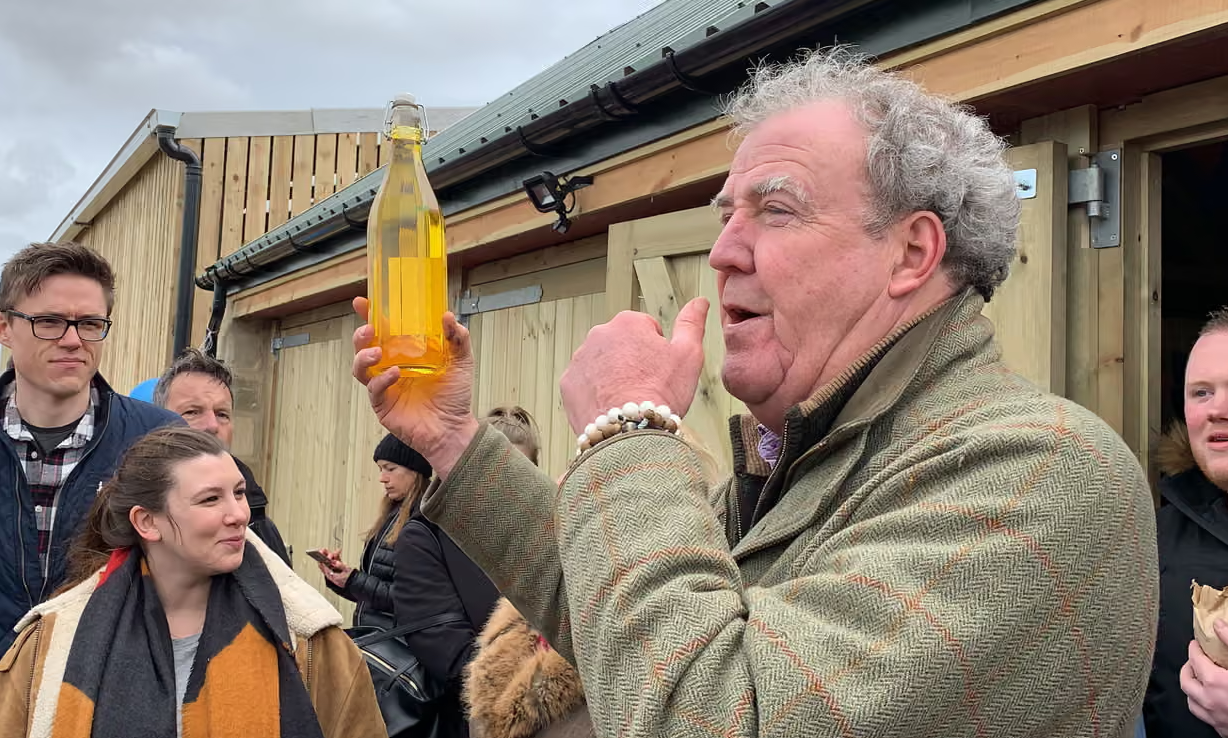
That is why his claim that Diddly Squat is stepping back from real farming is likely to resonate beyond the television audience. It is not simply another Clarkson headline. It points to a broader question facing British agriculture: if a highly visible farm with multiple income streams still struggles to make conventional production add up, what does that say about the future for smaller farms without a television series, a celebrity owner or a famous farm shop?
For Clarkson, the answer this year appears to be experimentation. Rabbits, herbs, the pub and the farm shop may not look like traditional agriculture, but they may represent the kind of diversification many farms are being forced to consider.
As Clarkson’s Farm returns to Prime Video, viewers can expect the usual mix of humour, frustration and countryside conflict. But beneath the entertainment, the message seems increasingly serious: farming may still look beautiful from the outside, but making it pay has rarely looked harder.