Countdown to the final minute: Only two hours left until episode 1 of Clarkson’s Farm season 5 premieres!
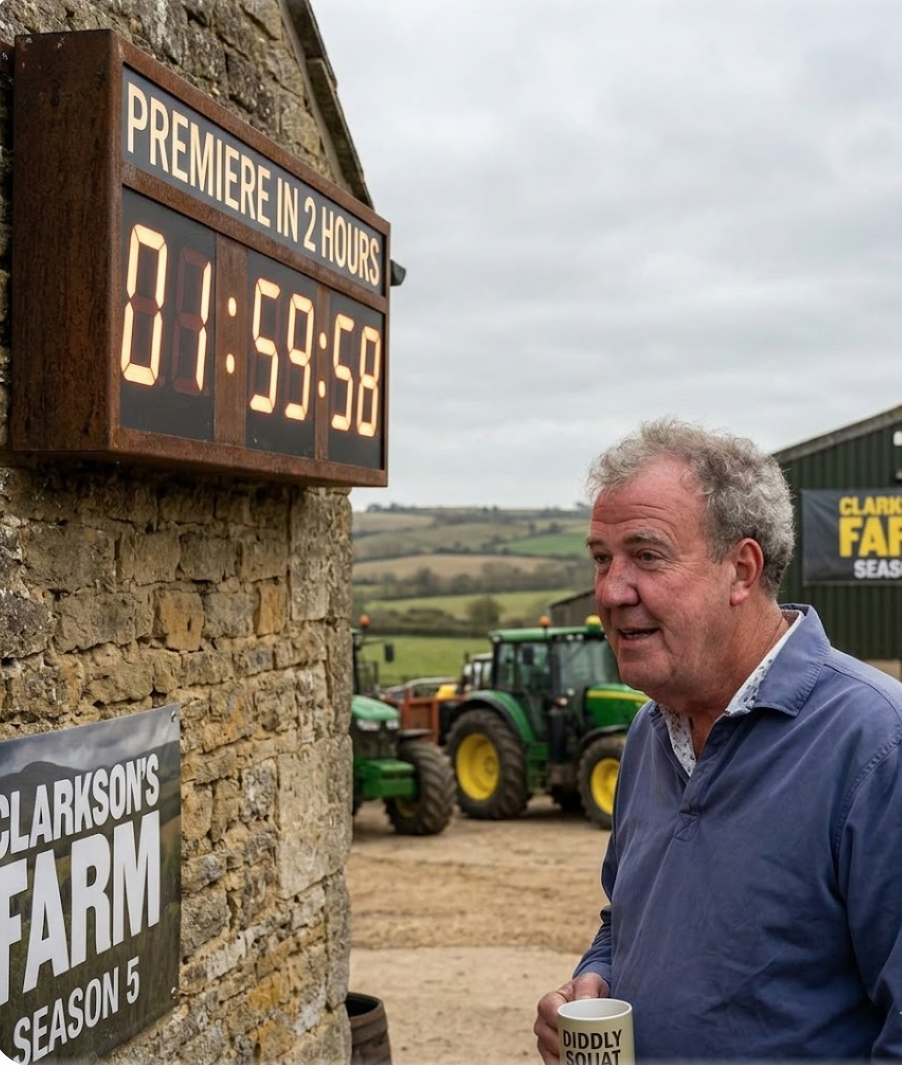
For fans of Clarkson’s Farm, the excitement has reached a fever pitch. With only two hours left until the premiere of the first episode of season five on Amazon Prime Video, anticipation is palpable. The series, which has combined humor, education, and hands-on insight into British farming, is poised to deliver yet another season filled with challenges, surprises, and the signature antics of Jeremy Clarkson and his Diddly Squat Farm team. As analysts, the moments leading up to the premiere provide a unique opportunity to evaluate the expectations, operational themes, and potential developments that this season may bring.
Season five arrives after a year of speculation and preparation. Early promotional materials hint at a series that will push both the farm and its viewers to new experiences. Clarkson has expanded his livestock collection to include new breeds of sheep, geese, snails, and guineafowl, each promising to test the team’s ability to manage diverse animal needs under unpredictable conditions. From a program analysis standpoint, these additions are not merely comedic elements; they serve as operational stressors, highlighting the necessity of adaptability, planning, and rapid problem-solving.
The anticipation surrounding the premiere is more than just fan enthusiasm. It reflects the show’s ability to blend narrative with operational insight. In the first episodes, viewers can expect to see Clarkson confronting early-season agricultural challenges: crop planting delays due to weather, managing livestock health and behavior, and adjusting workflows to accommodate new farm additions. Analysts can predict that these operational hurdles will not only generate entertainment but will also serve as case studies in resource management, labor coordination, and risk assessment—concepts that apply as much to a modern farm as they do to large-scale operations in other industries.
A key focus in season five is likely to be the interplay between automation and human oversight. Early previews suggest that Clarkson will experiment with new machinery and possibly automated systems to assist in farming tasks. From an analyst’s perspective, this introduces a layer of complexity. Successful integration of new technology requires calibration, testing, and oversight by experienced operators. The humor that emerges from equipment failures or learning curves serves a dual purpose: entertaining audiences while subtly educating them on the limits and advantages of mechanized farming.
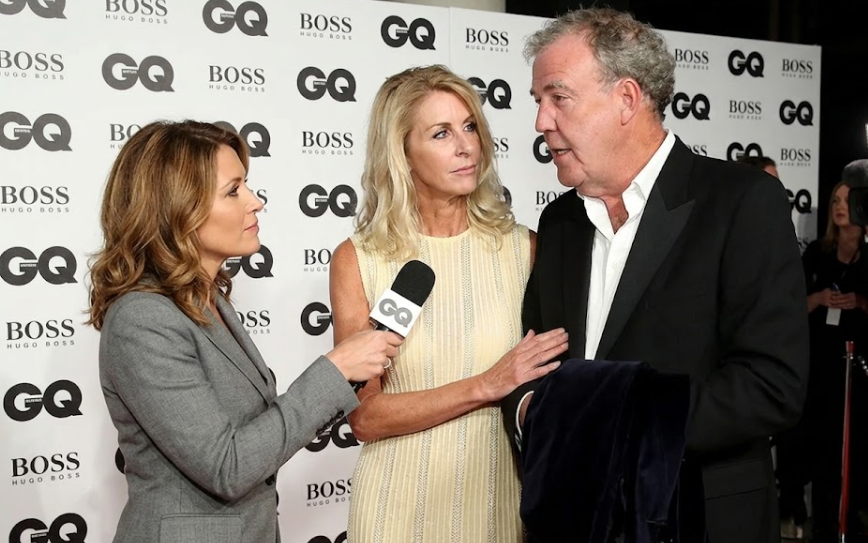
Team dynamics are expected to be at the forefront of the new season. With Kaleb Cooper, Lisa Hogan, and other core personnel returning, the first episode will likely emphasize both individual expertise and collaborative problem-solving. Historical patterns from prior seasons suggest that Clarkson will often attempt improvisation and experimentation, requiring team members to intervene, adjust, or mitigate operational risks. Analysts can anticipate that these interactions will be central to the narrative, providing insight into leadership, delegation, and decision-making under pressure.
The countdown to the premiere also highlights the show’s broader impact. With Diddly Squat Farm acting as a microcosm for modern British agriculture, season five is positioned to educate viewers on both practical and systemic challenges. Issues such as livestock care, sustainable crop rotation, pest management, and the effects of unpredictable weather are likely to feature prominently. The early episodes may also touch upon regulatory and logistical constraints that farmers face, illustrating the tension between ideal planning and real-world execution. For analysts, these segments provide rich material for examining operational problem-solving in a high-visibility, real-time context.
In addition to operational insights, the first episodes promise several entertainment hooks. New livestock breeds will challenge the team’s adaptability, while unexpected celebrity visits, seasonal events, and the comedic unpredictability of Clarkson himself ensure a dynamic viewing experience. Analysts note that these elements function to maintain audience engagement while reinforcing educational and operational themes. The strategic release of multiple episodes at once allows viewers to see cumulative effects of decision-making, mirroring real-world feedback loops in farm management.
As the clock ticks down to the premiere, the potential for viewer engagement is high. Season five is likely to leverage social media, fan interaction, and live commentary to amplify the impact of its debut. Analysts predict that online discussion will focus not only on humor and celebrity appearances but also on the practical challenges depicted: the efficiency of animal management, problem-solving during machinery issues, and the overall adaptation of the team to the early-season hurdles. These discussions can extend the influence of the show beyond mere entertainment, prompting curiosity and awareness about modern farming practices.
Looking ahead, several potential developments emerge based on the operational and narrative setup of the first episodes. The introduction of new livestock may lead to unanticipated complications requiring adaptive solutions, machinery integration may highlight gaps in planning or coordination, and team dynamics may shift as challenges escalate. Analysts can also foresee the emergence of story arcs emphasizing the balance between efficiency, humor, and safety, as well as Clarkson’s personal learning curve in managing a modern, diverse farm operation.
Finally, the two-hour countdown underscores the series’ ability to generate anticipation and communal viewing experiences. Fans of Clarkson’s Farm are not only waiting for entertainment—they are waiting to witness strategy, experimentation, and problem-solving in a real-world setting. As the first four episodes premiere, viewers will be able to see firsthand how operational decisions, human judgment, and unexpected variables intersect to shape outcomes at Diddly Squat Farm. From an analyst’s perspective, the premiere is an ideal point to assess the narrative, operational lessons, and potential trajectory for the remainder of the season.
In conclusion, the imminent release of Clarkson’s Farm season five represents more than just new episodes; it marks a convergence of entertainment, operational strategy, and human insight. With just two hours remaining, anticipation is at its peak, promising not only humor and chaos but also lessons in farm management, team coordination, and adaptability. Analysts and fans alike can expect a season that continues to deliver both entertainment and practical insight into the complexities of modern farming, setting the stage for a dynamic and engaging viewing experience.