More Than a Reality Show: Clarkson’s Farm Uncovers a Terrifying Reality Farmers Never Talk About!
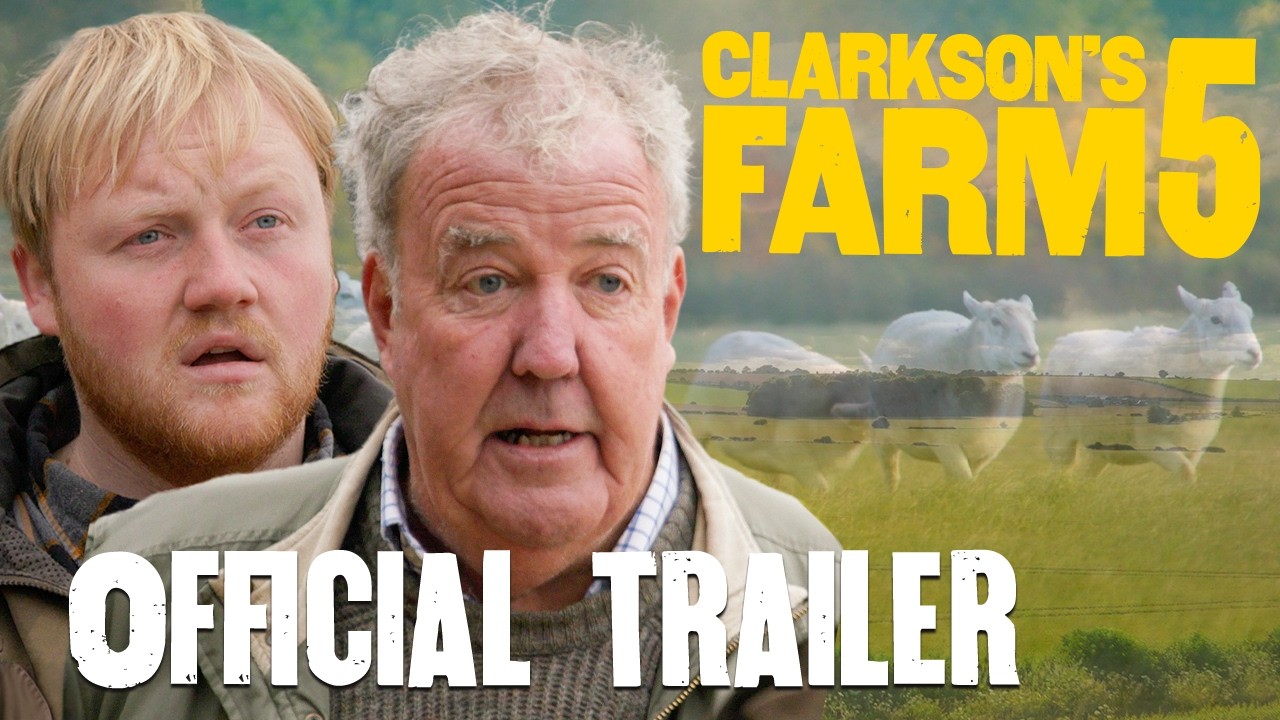
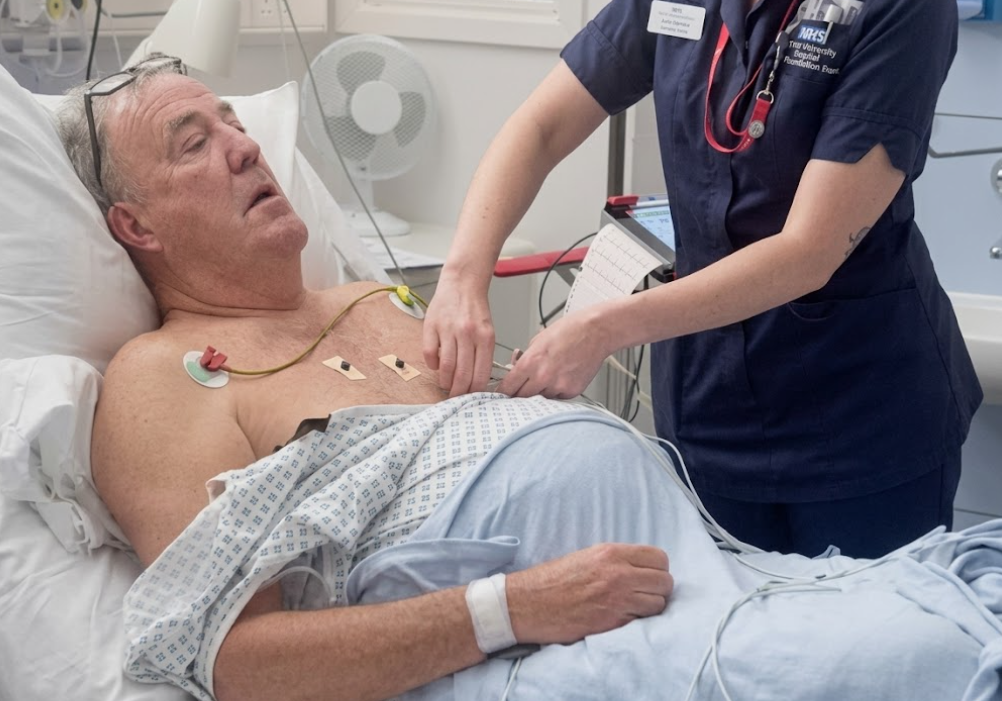
Making television is bloody hard work. Making it about farming, which involves wrestling with large animals or being bounced about in a tractor cab, is even harder. There is an exquisite fragility about these new episodes as we see our coffin-dodging hero defying the doctors and buggering on with running his business and, as we watch, we are thinking: “Please don’t go and die on us Jezza.”
There’s also the uncomfortable thought that Diddly Squat Farm is just one heart attack away from being broken up by Starmer the Farmer Harmer’s family farm tax. It’s all brilliantly acted by newly geriatric Clarkson, who looks as if he is secretly enjoying hamming up his ill-health. It’s also very touching to watch the rest of the Diddly Squat team develop a caring protectiveness towards him. In a WhatsApp, Clarkson tells me: “‘Wholesome’ is how I’d describe the first few episodes. I don’t think they have sent out the last two for reasons that will become clear when they drop.” I can’t wait.
And it’s brilliant because it’s so true to life. Most British farms have an old man shuffling about the yard. Often, he’s actually the farmer, or perhaps the older generation in a multi-generational business, still needing to put in a shift in their 80s to keep the family farm afloat; still manfully heaving bags of feed or grabbing sheep by the neck. Retirement is a luxury that is rarely available in farming.
I know too well that farming is a very stressful business. Readers of my books will be aware that I have struggled for the last 26 years to make a go of our family farm in Dumfries and Galloway. Like Jeremy, I have tried – and mostly failed – at arable, beef and sheep farming, nearly going under several times, before, mercifully, making a success, for now at least, of dairy farming.
If there is diversification into a customer-facing business – in my case with holiday cottages, in Jeremy’s case a pub – that stress is multiplied. And too many of us have suffered from it as a result. In my case, it was a mental breakdown seven years ago. I was reduced to a gibbering idiot for several months, in a psychosis triggered by government apparatchiks fining me £20,000 that I didn’t have; a decision that was later reversed. And in stark contrast to the public sector, where the lanyard-wearing classes (who are, ironically, often the cause of farmers’ stress) may be signed off for years “on the sick” at our expense, if you run your own business, you have to keep going. The leadership role demands it and you can’t just pass the buck.
It’s one reason why farming always has the dubious distinction of topping the league tables for work-related accidents and, tragically, suicide. There’s always something to worry about, but since we have been plunged back into 1970s-style socialism, the number-one threat to our businesses, bigger than the weather, animal diseases or price collapses, has been our own Government. No doubt for wise parental reasons, Clarkson’s three children are kept off camera, but, if Diddly Squat is like any other farm, the priority recently will have been succession-planning; Hard-earned cash will have been splurged on lawyers and life insurance to ensure that, in the event of an untimely death, the farm isn’t going to an ill-deserving taxman. The eventual watering down of the inheritance tax policy has given a reprieve to many, but they will have still had the angst and expense.
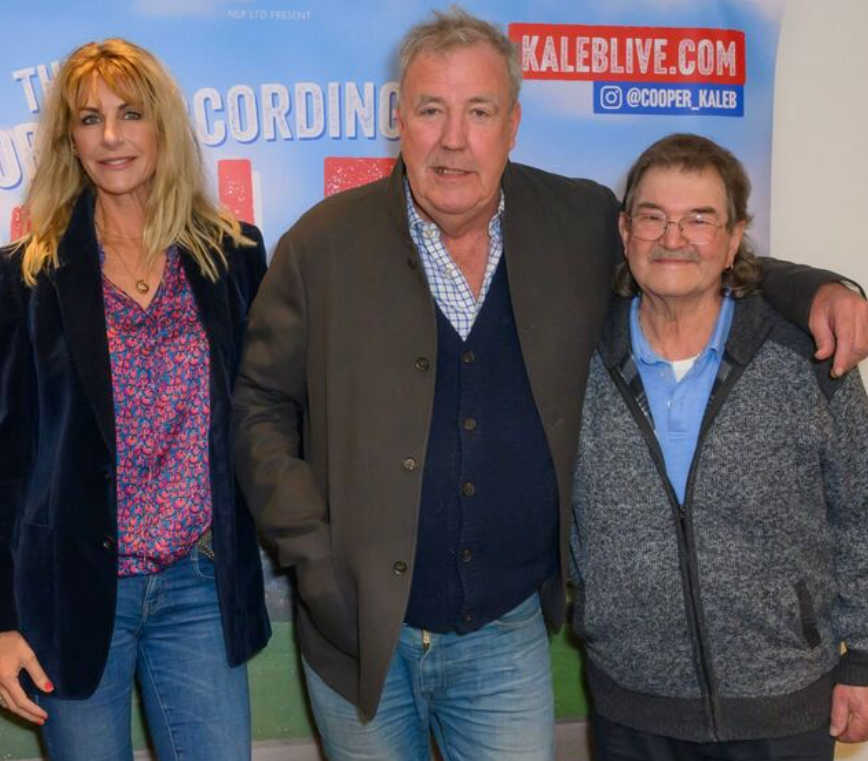
Clarkson has Rolls-Royce advice from his land agent, the ineffable Charlie Ireland, amongst others. But for most farmers, the back-up is nothing like as comprehensive. I think I can speak for the industry when I write that Jeremy has done us all a huge service by helping British society see things from our point of view, and I don’t think there has ever been such huge public sympathy for farmers during my lifetime.
The series cleverly exposes these issues facing all family farms and helps viewers to understand why Rachel Reeves’s family farm tax is so pernicious, and remains so for larger businesses such as Clarkson’s own. Labour’s assault on farming has turned us all into activists, and we see Clarkson leading his little platoon (see Edmund Burke) into action in Whitehall alongside 45,000 other farmers, including me. Clarkson is now a formidable big beast in the arena of rural politics and we watch him agonising over whether to defy doctors’ orders and risk a heart attack to lend his weight to the campaign. He has a visceral hatred of this socialist Government. Only half in jest, he tells me: “I want to blockade the ports to deny Starmer his supply of quinoa and avocado.”
Another theme this time is technology, to which we have become accustomed in previous series. But now there is a twist. Who would ever have imagined that Clarkson, the world’s greatest driving enthusiast with a passion for huge, over-engineered “Lambo” tractors, would develop a born-again zeal for tiny driverless tractors, robots and drones? He takes Kaleb on a whistle-stop tour of agricultural superpower, the Netherlands. There is no more patriotic cheerleader for British farming than Clarkson, but he rightly shines a light on how painfully backward we are becoming compared to the Dutch and others, through under-investment in the latest technology. This is something that has been exacerbated by Reeves’s economically illiterate budgets.
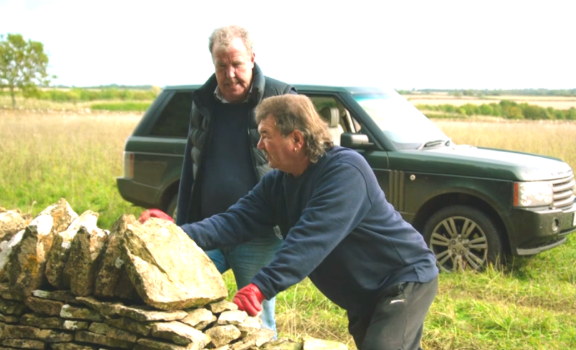
Slowly, it dawns on viewers that this glimpse of an artificially intelligent future is fascinating and exciting, but also frightening and dystopian. Farmworkers are being written out of the script everywhere. It’s another reason, incidentally, why Labour’s “jobs tax” – higher employers’ National Insurance – is utterly bonkers, because it is hastening that process. As we watch the penny slowly dropping for an increasingly dejected and Luddite Kaleb, the series takes on an elegiac quality, and we begin to wonder whether, if we visit Diddly Squat Farm in 10 years’ time, it will all be operated by robots.
The first four episodes of series five of Clarkson’s Farm are on Amazon Prime Video.
The new run of Clarkson’s Farm (Amazon Prime Video) is a series that should never have been made. Not because it isn’t very good; it is. Or because it isn’t sometimes brutally realistic or endlessly thought-provoking; it scores highly on both counts. But because Jeremy Clarkson had been told to stop working in order to make a full recovery following stress-related heart disease and surgery. I don’t think this needs a spoiler alert, as this fact is well known.
I had been wondering how they were going to keep Clarkson’s Farm fresh and avoid it becoming too same-y. As it was, life threw a series of curveballs at Squire Clarkson in the shape of blocked arteries and, worse – far worse – the ghastly Starmer Government. And these two vicissitudes have been exploited brilliantly by the Diddly Squat team to make a new series that is better than the last.