FARMING’S LAST HOPE? Jeremy Clarkson and the Battle for the Soul of Rural Britain
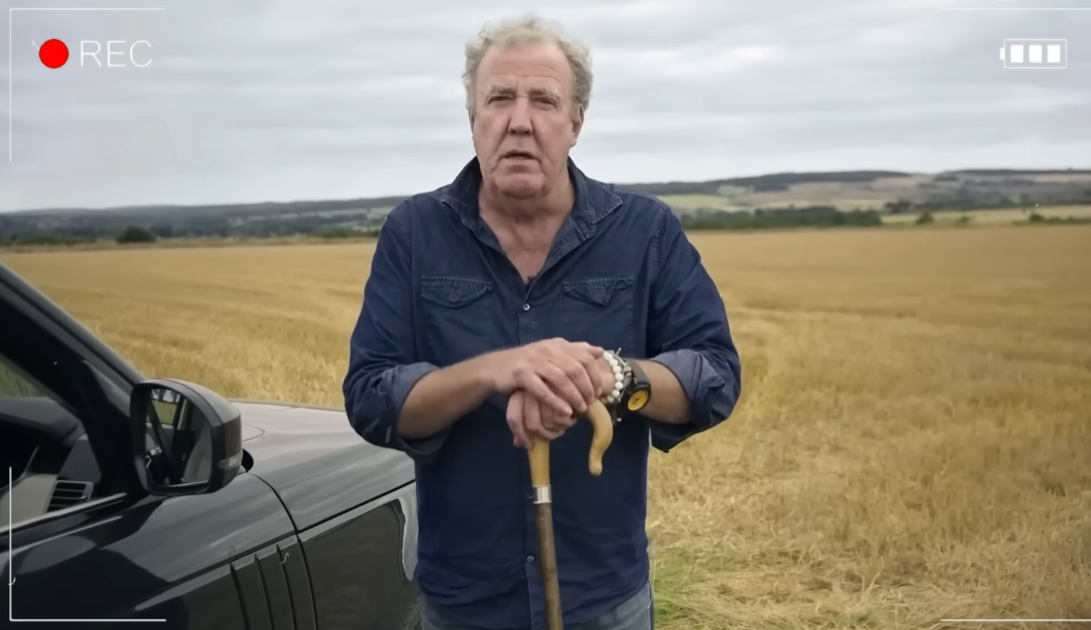
He spent decades as the high-octane voice of the motoring world, but Jeremy Clarkson has traded horsepower for a far more volatile engine: the British agricultural industry. What began as a “romantic” television project at Diddly Squat Farm has transformed into a national movement, exposing a deep-seated crisis that Clarkson warns is “dismantling” the heritage of the British countryside.
The “Black Hole” and the Inheritance Tax
The flashpoint for this current uprising is the government’s autumn budget, which introduced sweeping changes to inheritance tax for agricultural assets. Aiming to plug a £20 billion “black hole” in the national budget, the policy targets farms worth over £1 million. While Westminster officials insist the move only affects the wealthiest landowners, Clarkson and various farming unions argue the policy demonstrates a fundamental misunderstanding of rural life.
“Farms might look valuable on paper—acres of land, machinery, buildings—but that doesn’t mean there’s cash in the bank,” Clarkson noted. In an industry defined as “asset-rich but cash-poor,” the prospect of a massive tax bill upon a parent’s death could force families to sell off acreage just to settle with the Inland Revenue. For many, this isn’t just a tax adjustment; it is an “erosion of a way of life.”
A Reluctant Figurehead
Clarkson’s transition from entertainer to advocate hasn’t been without scrutiny. Critics have been quick to point to his own £4.2 million estate and past comments where he admitted that buying land was a “better investment than money in the bank” because of the very tax breaks he is now defending.
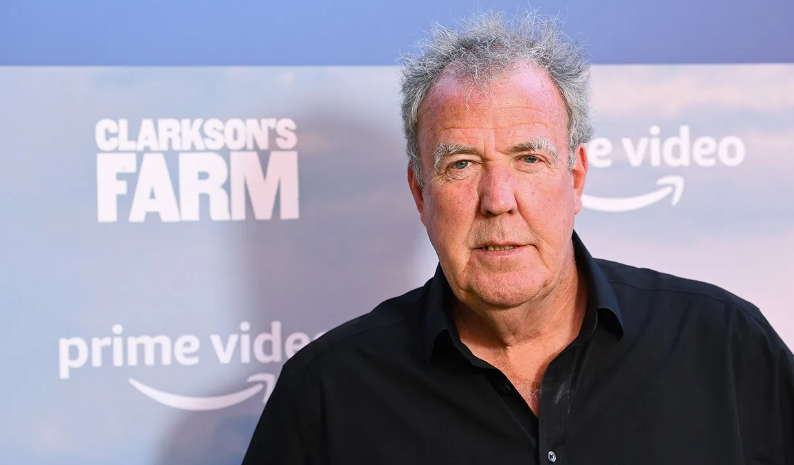
Clarkson remains candid about his past naivety. “I said the tax thing because it made a better headline,” he admitted. However, he insists that his role now is not as a “proper farmer,” but as a reporter shining a light on the genuine poverty hidden within the industry. He points to neighbors running 200 to 400 acres who take no salary and struggle to pay for fuel and fertilizer, let alone a future tax bill.
The London Siege
The frustration boiled over in November 2024, when the National Farmers Union (NFU) organized a massive protest in London. Despite confusion over attendance limits—with initial reports of 10,000 farmers being scaled back to 1,800 due to alleged police restrictions—the message was clear. Farmers, usually a demographic that “keeps their heads down,” took to the streets in a dignified, peaceful demonstration.
The protest saw Clarkson’s own team, including Kaleb Cooper and land agent Charlie Ireland, take to the airwaves. Their appearances, however, highlighted the cultural divide. A tense interview on BBC’s Newsnight saw Cooper visibly frustrated by lines of questioning, leading critics to argue that if farmers want to win the PR war, they need “stronger arguments and less irritation.”
Global Investors vs. Local Growers
Adding fuel to the fire was a poorly timed photo-op from Prime Minister Keir Starmer, who met with global investors like Bill Gates and representatives from BlackRock just days after the protests. To the farming community, this sparked a “darker suspicion”: that family farms would be squeezed out by taxes only to be swallowed up by global finance giants.
Furthermore, reports of £500 million being funneled into agricultural projects overseas—defended by the government as an investment in “global food security”—has left British farmers feeling politically abandoned.
As the fight moves from the fields to the front pages, Clarkson remains the unlikely voice of a silent industry. “This fight should be led by farmers,” he insists, “not a television presenter who still gets lost trying to reverse a trailer.” Yet, for thousands of struggling families, Clarkson’s megaphone is currently the only thing keeping their plight in the national spotlight.