‘God, it’s absurd’: Jeremy Clarkson trademarks his own face
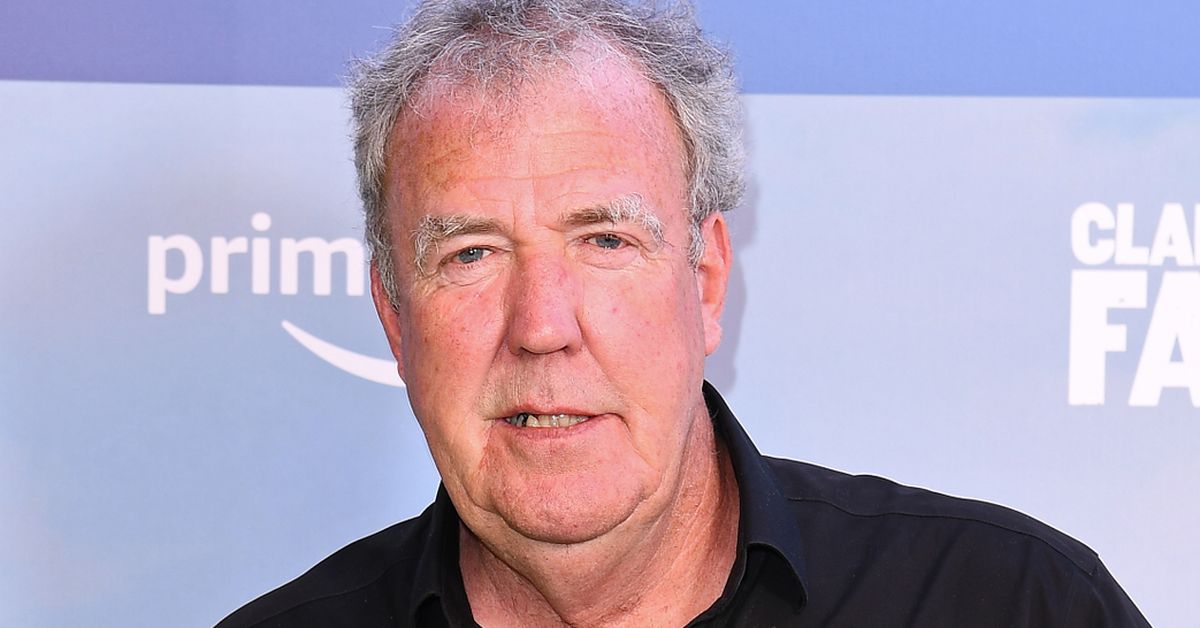
Jeremy Clarkson, one of Britain’s most recognisable television personalities, has taken the extraordinary step of trademarking his own face in a bid to combat a surge in AI-generated deepfake scams using his likeness. The move, which the presenter describes as “absurd,” reflects a growing concern shared by public figures worldwide: the ease with which artificial intelligence can manipulate images, voices, and personas for fraudulent purposes.
Clarkson, 65, remains a household name in the UK and abroad thanks to decades of broadcasting success across Top Gear, The Grand Tour, and Amazon Prime’s hit series Clarkson’s Farm. But the same global profile that fuels his popularity has also made him a target for scammers who, using advanced AI tools, have increasingly deployed his image in misleading online advertisements.
In an interview quoted by The Sun, Clarkson explained the reasoning behind his unprecedented legal measure.
“It’s for perfectly good reasons,” he said. “It’s not just my ego running amok. It’s an AI thing because there’s so much activity around bitcoin or mortgage loans where my face, name, image, voice, and so on have been used to promote things that I’m not promoting. I’m protecting people from ‘me’, but it’s not me… God, it’s absurd.”
Deepfake Scams: A Growing Threat
Clarkson’s frustrations stem from a wave of deceptive ads that began circulating across social media platforms last year—particularly on X (formerly Twitter). These ads falsely depicted Clarkson endorsing cryptocurrency schemes and financial products. In some cases, the scams also involved fabricated articles mimicking legitimate news outlets, featuring entirely AI-generated interviews with Clarkson discussing “investment secrets.”
Many unsuspecting users reportedly believed the endorsements were real.
The problem escalated to such an extent that Clarkson felt compelled to issue a public warning, stating bluntly:
“I don’t even know what cryptocurrency is. But it sounds ghastly.”

The scams did not target Clarkson alone. His former Top Gear colleagues James May and Richard Hammond also appeared in misleading AI-generated promotions. The trio—which once made headlines for outrageous stunts and unscripted banter—found themselves unwilling stars of a new kind of digital misconduct.
But for Clarkson, the issue went beyond annoyance. It became a matter of protecting the public.
Trademarking a Face: A Modern Dilemma
Trademarking one’s own face is extraordinarily rare, and until recently, largely unnecessary. Celebrities often trademark names, brand slogans, or signature symbols, but the concept of trademarking a human face has only begun to surface as AI technology blurs the line between authenticity and fabrication.
Clarkson’s decision highlights an emerging legal frontier: how individuals can safeguard their identity in a digital world where images and voices can be cloned in minutes.
Experts say Clarkson’s move could set a precedent for public figures across entertainment, politics, and sports.
Intellectual property lawyers note that while copyright typically protects creative works, trademark law can protect identifiers—including likenesses—that distinguish an individual in commerce. In Clarkson’s case, it places a legal barrier between his real persona and the AI-driven scams attempting to exploit it.
“It’s a defensive trademark,” says one media law analyst. “Its intention isn’t to sell Jeremy Clarkson-branded merchandise—it’s to prevent others from doing so under false pretenses.”
AI’s Expanding Footprint and Public Vulnerability
Clarkson’s concerns reflect broader anxieties about AI deepfakes—hyper-realistic synthetic media capable of impersonating anyone with a digital footprint. With these tools becoming easier and cheaper to use, the number of fraud attempts has soared.

Financial scams are particularly common. Celebrities such as Sir Richard Branson, Elon Musk, and Martin Lewis have all publicly battled deepfake ads falsely portraying them endorsing investment schemes.
Lewis, who famously sued Facebook over similar scams, described the phenomenon as “a threat to public trust at internet scale.”
Clarkson’s complaint carries the same sentiment. It is not merely his image being misused—it is the public being misled.
Clarkson’s Larger Battle With the Digital Age
While Clarkson remains known for his bombastic humour and theatrical rants, his latest comments strike a surprisingly earnest note. He recognises that deepfake scams weaponise trust, and that his public familiarity makes him a prime tool for fraudsters.
Yet he also retains his trademark wit. Trademarking his face, he concedes, feels ridiculous. But absurdity, he argues, is now necessary.
With Clarkson already juggling the chaos of farming at Diddly Squat, pub losses at The Farmer’s Dog, and a never-ending stream of public attention, artificial intelligence has added a new—and unwanted—chapter to his life story.
Whether this legal step will curtail deepfakes is uncertain. But Clarkson hopes it will at least slow them down, or give victims a means to challenge fraudulent ads more effectively.
As he puts it: “I’m protecting people from ‘me’, but it’s not me.”
And in the age of AI, that may be the most surreal sentence Jeremy Clarkson has ever uttered.