Jeremy Clarkson BANS Labour MPs from his pub in PROTEST over Reeves’ farming failures
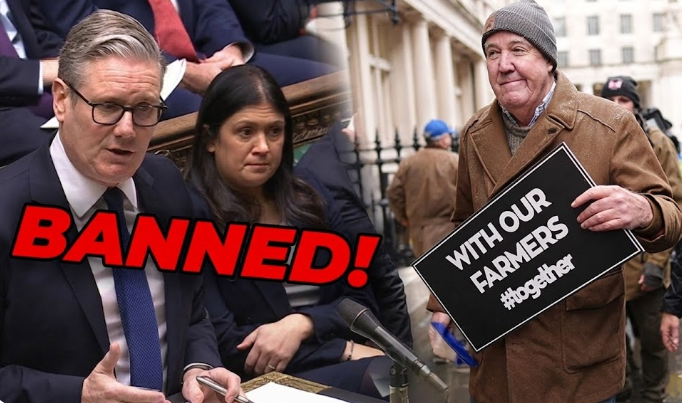
Television presenter and farmer Jeremy Clarkson has once again stirred political debate after announcing that all Labour Members of Parliament are banned from visiting his countryside pub. The decision has sparked discussion across the hospitality sector, with critics questioning the reasoning behind the move and others pointing to wider financial pressures facing pubs across the United Kingdom.
Clarkson, best known for hosting Clarkson’s Farm and his earlier career in motoring television, opened his pub in the Cotswolds last year as part of an expansion of the Diddly Squat Farm brand. The venue, known as The Farmer’s Dog, quickly became a talking point among fans of the series and visitors to the region.
But the pub has also become a platform for Clarkson’s outspoken views on political and economic issues.
According to Clarkson, the ban on Labour MPs is linked to what he describes as a dramatic increase in business rates affecting the establishment. He claims the pub’s annual rates have risen sharply, climbing from around £28,000 to more than £50,000.
Clarkson described the increase as “an absolute disgrace,” arguing that such costs place unnecessary pressure on hospitality businesses already facing a difficult trading environment.
Initially, Clarkson said that Prime Minister Keir Starmer would not be welcome at the pub. More recently, however, he expanded the ban to include all Labour MPs.
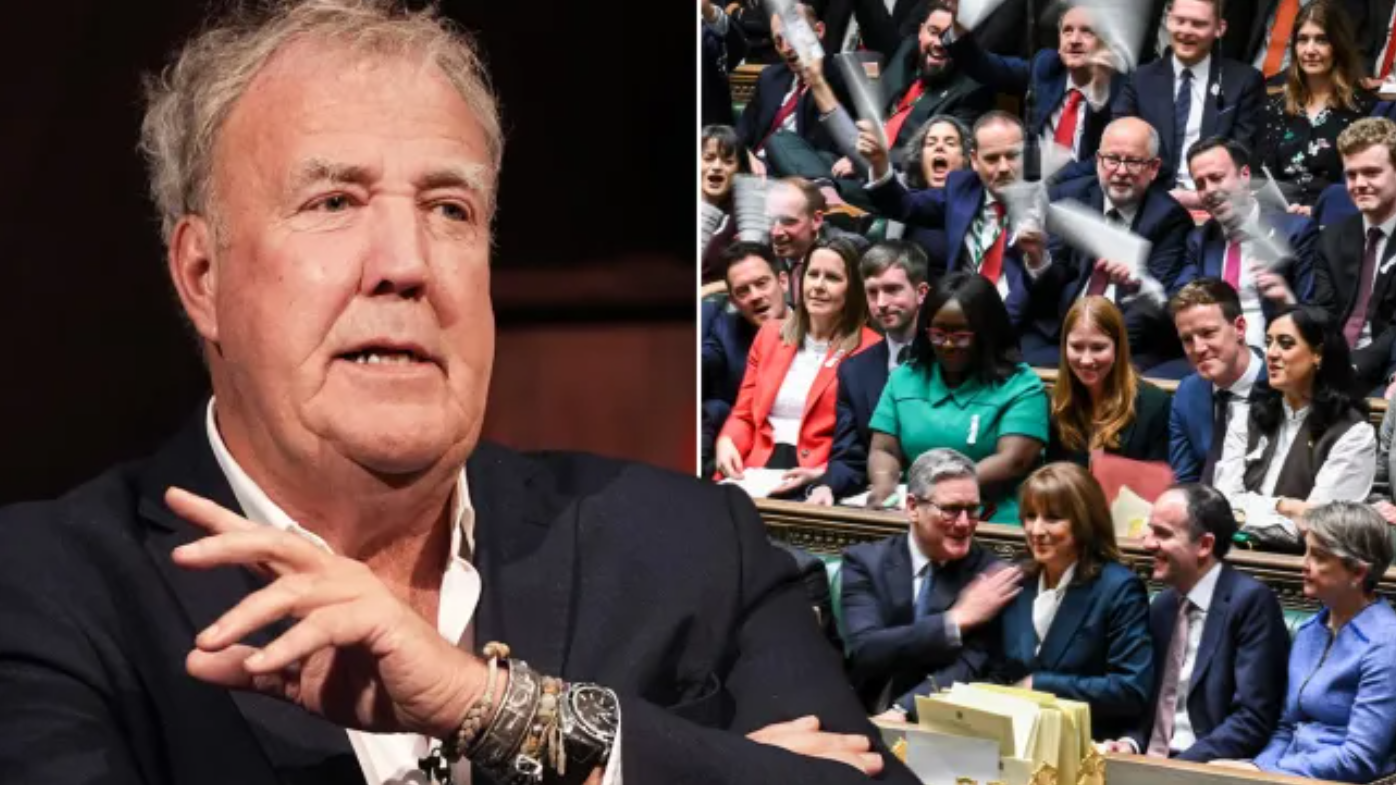
The announcement quickly attracted attention within the hospitality industry, where operators continue to debate the financial challenges facing pubs across the country.
Robert Thomas, founder and owner of a group of pubs operating across the UK, strongly criticised Clarkson’s comments during a recent television interview.
Thomas argued that Clarkson’s claims overlook significant financial support provided to the hospitality sector in recent years.
He pointed out that many pubs have benefited from government relief programmes designed to ease the burden of business rates following the economic disruption caused by the COVID-19 pandemic.
According to Thomas, hospitality businesses received 75 percent relief on rates during the 2023–24 and 2024–25 financial years, followed by a 40 percent reduction in more recent adjustments.
“These comparisons can be misleading,” Thomas said, explaining that when relief measures are taken into account, the overall financial pressure may not be as severe as some critics suggest.
Thomas also revealed that his own company had received substantial financial support through grants and relief measures during the pandemic years, amounting to nearly £1 million.
However, the debate over rising costs in the pub industry extends far beyond a single establishment.
Across the United Kingdom, many pub landlords continue to report financial difficulties. Industry groups have warned that hundreds of pubs close each year due to a combination of rising energy bills, staffing costs, and declining customer spending.
In addition, changes to employer national insurance contributions and increases in the national living wage have placed further strain on businesses operating with tight profit margins.
Despite these challenges, Thomas believes the primary cause of pub closures lies elsewhere.
He argues that the structure of the British pub industry itself plays a significant role.
Many pubs are owned not by individual landlords but by large pub companies, commonly known as “pubcos.” These corporations often lease their properties to tenants while requiring them to purchase supplies—such as beer—from the parent company.
According to Thomas, this arrangement can place heavy financial obligations on pub tenants.
Large pub companies often carry significant debt after borrowing substantial sums from banks to acquire property portfolios. As a result, rent payments demanded from tenants may increase sharply over time.
“When rent reviews happen,” Thomas explained, “they don’t go up by small amounts. They go up by thousands.”
In his view, the rent structure imposed by pub companies represents the most significant financial burden facing landlords today.
Other costs—such as business rates or wage increases—can typically be managed through modest price adjustments, he argued.
The ongoing debate reflects broader concerns about the future of Britain’s pub culture.
For centuries, pubs have served as important social centres within communities, offering places where people gather to share meals, drinks, and conversation. However, the industry has undergone rapid changes in recent decades as consumer habits shift and operating costs rise.
Clarkson’s involvement in the sector has drawn particular attention because of his high profile and outspoken personality.
Through Clarkson’s Farm, he has become an unlikely advocate for rural businesses, often highlighting the financial challenges faced by farmers and small enterprises.
His decision to open a pub using ingredients sourced primarily from British farms was intended, in part, to support local agriculture.
However, the political controversy surrounding his comments suggests that the pub may become a focal point for debates about taxation, regulation, and the wider economy.
Critics say banning politicians from a business establishment risks turning the pub into a stage for political confrontation rather than hospitality.
Supporters, meanwhile, view Clarkson’s stance as a reflection of frustration felt by many business owners who believe government policies have made operating in the sector increasingly difficult.
Whether the ban remains symbolic or leads to further political reactions remains uncertain.
What is clear, however, is that Clarkson’s latest decision has once again placed his Cotswolds pub—and the challenges facing Britain’s pub industry—firmly in the national spotlight.
As discussions continue, the episode highlights the complex intersection of politics, business costs, and cultural traditions that define the modern British pub.