Jeremy Clarkson blasts one of Netflix’s biggest shows for pandering to ‘new thinking’

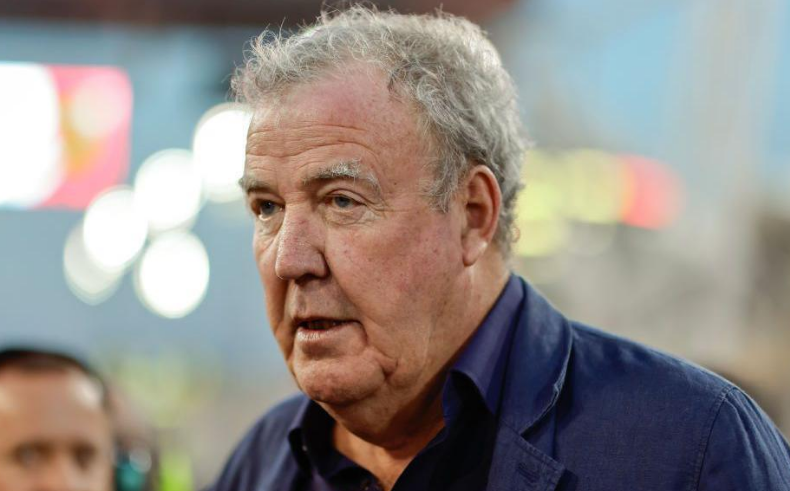
In the high-octane world of Formula 1, the drama used to be as combustible as the fuel. But according to veteran broadcaster and former Top Gear icon Jeremy Clarkson, the fire has been extinguished by a wet blanket of corporate polish and “new thinking”. The 64-year-old presenter recently took to his column in The Sun to launch a scathing critique of Netflix’s Drive to Survive, claiming the documentary series has lost the raw, aggressive edge that once made it “TV gold”.
The Death of the ‘Hissed Altercation’
Since its debut in 2019, Drive to Survive has been a juggernaut for Netflix, spanning seven seasons and earning credit for a massive surge in F1’s global popularity. However, Clarkson argues that the very success of the show has become its undoing. In his view, the early years of the production offered a genuine behind-the-scenes look where “hissed altercations” were common because participants didn’t always realize the cameras were rolling.
Today, that spontaneity has vanished. Clarkson claims that “whenever anyone sees a Netflix microphone, they go into PR mode”. He attributes this shift to the “small print” in driver contracts and the fact that team lawyers are often superior to the lawyers representing individual drivers. This legal and corporate pressure, he suggests, forces athletes to face the media onslaught with a forced smile rather than genuine emotion.
Verstappen and the Case of the Polite Driver
To illustrate his point, Clarkson pointed toward the sport’s reigning dominant force, Max Verstappen. He noted how Verstappen now discusses race-altering conditions, such as rain, with a level of politeness that Clarkson finds jarringly sterile. Instead of the fiery outbursts fans might expect, Verstappen is quoted as saying: “It will make the track more slippery, and I’ll have to take that into consideration”.
For Clarkson, this “new thinking” represents a fundamental shift in the sport’s culture—one that prioritizes image over impact. He expressed a deep disapproval of the modern fan’s desire for total access, stating: “I actually don’t want to know what they’re doing after the race or where they go on holiday or whether they prefer biscuits to cheese”. Instead, Clarkson argues that a Formula 1 driver “should have some mystique”.

A Tale of Two Netflix Hits
Interestingly, Clarkson’s latest tirade comes at a time when Netflix is enjoying a string of successes, including Stephen Graham’s Adolescence and the much-discussed return of Meghan Markle in With Love, Meghan. While Clarkson has famously clashed with the Duchess of Sussex in the past, he notably avoided commenting on her latest project this time around, choosing instead to focus his ire entirely on the racing documentary.
The production team behind Drive to Survive remains steadfast in their approach. Executive producer Tom Hutchings has previously defended the show’s evolution, explaining that the focus has shifted toward “the best human stories”. Hutchings believes that these character-driven narratives “resonate with the viewer in the best possible way” and provide a “bigger punch” than mere trackside bickering.
The Court of Public Opinion
Despite Clarkson’s grumblings, the seventh season of Drive to Survive is being hailed by some segments of the fanbase as the strongest yet. On review platforms like Rotten Tomatoes, viewers have been vocal about their approval of the show’s tighter focus:
-
Efficiency: Fan Dory M praised the season for focusing on “the best teams in Formula One” and “the most interesting stories,” rather than wasting time on the back of the grid.
-
Narrative Balance: Viewer Jack B noted that while the show avoided some of the more “controversial” stories, it successfully “returned to form” by capturing the primary arcs of the last season.
-
Insight: Esteban C described it as “one of the most enjoyable yet,” providing a necessary summary of the 2024 season’s “crazy” history and the drama between team principals.
The Disappearing Act
One aspect of the new season that Clarkson actually approved of was the total absence of the Aston Martin team. While many fans might find it odd for a major team to be missing from a comprehensive documentary, Clarkson celebrated the move. “Aston Martin didn’t take part at all. It’s like they simply weren’t there. And I approve of this,” he wrote, doubling down on his belief that less is more when it comes to the personal lives of racing legends.
As Drive to Survive continues to follow the lives of stars like Lewis Hamilton, Lando Norris, and Christian Horner, the debate over the show’s soul remains. For the new generation of fans, it is a vital recap of the most “interesting/crazy seasons in formula one history”. For Jeremy Clarkson, it is a cautionary tale of what happens when the “PR mode” finally overtakes the engine.
Drive to Survive is currently available to stream on Netflix.
Would you like me to look into more details about Jeremy Clarkson’s specific critiques of other Netflix documentaries?