Jeremy Clarkson is turning the impossible into a revolution in agriculture: Here’s how he’s making a difference
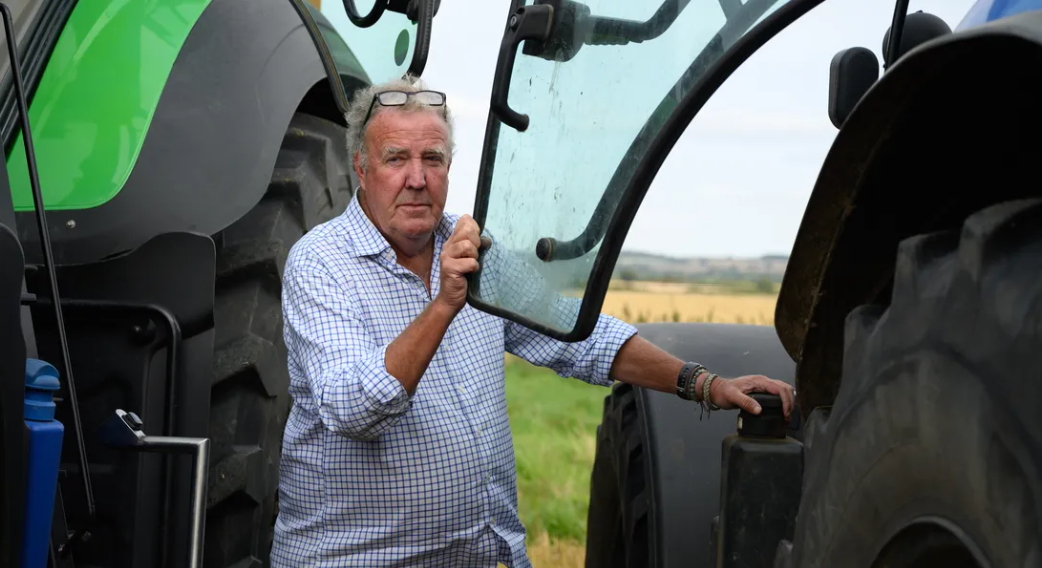
When Jeremy Clarkson, a former Top Gear host known for his loud opinions and love for fast cars, decided to dive into the world of farming in 2019, many were surprised. The man who had spent decades joking about the environment and its defenders seemed an unlikely candidate to tackle the complex realities of modern agriculture. However, his venture into farming quickly became one of the most captivating stories on television, drawing attention to the realities of rural life and the challenges farmers face today.
Now, as Clarkson’s Farm enters its third season, the struggle between Clarkson’s bold ambition and the harsh realities of farming continues. The farm, dubbed Diddly Squat, has become a focal point for discussing the pressing issues affecting the agricultural community—issues ranging from the pressures of government bureaucracy to the devastating effects of climate change. With Season 3 now available for streaming on Amazon Prime, let’s take a closer look at Clarkson’s journey and how it has shed light on the struggles of the farming industry.
Clarkson’s Farm: A Journey Filled with Setbacks and Small Victories
Clarkson’s decision to enter farming was, in many ways, a reaction to the financial crisis of 2008, which led him to purchase a 1,000-acre farm in Oxfordshire, England, at a relatively low price. Despite the initial motivation being driven by financial reasons—land is a better investment than money in the bank—Clarkson’s farming adventure has evolved into something much deeper. He frequently speaks about his desire to invest in the land for the future of his children and, perhaps more unexpectedly, a growing sense of responsibility for maintaining the countryside and the land that sustains it.
The first year of farming on Diddly Squat was a struggle, with Clarkson managing to grow wheat and raise sheep. However, the farm was hardly profitable, with Clarkson admitting that they lost £90,000 that year. The weather, which proved to be unfavorable, didn’t help either. Yet, the show became an unexpected success, with its mix of humor, reality, and farm-related problems resonating with audiences. The challenges Clarkson faced on-screen struck a chord with viewers, especially since many of the financial losses and difficulties were far more relatable to viewers than the flashy world of Top Gear.
Season 3: New Challenges, Same Struggles
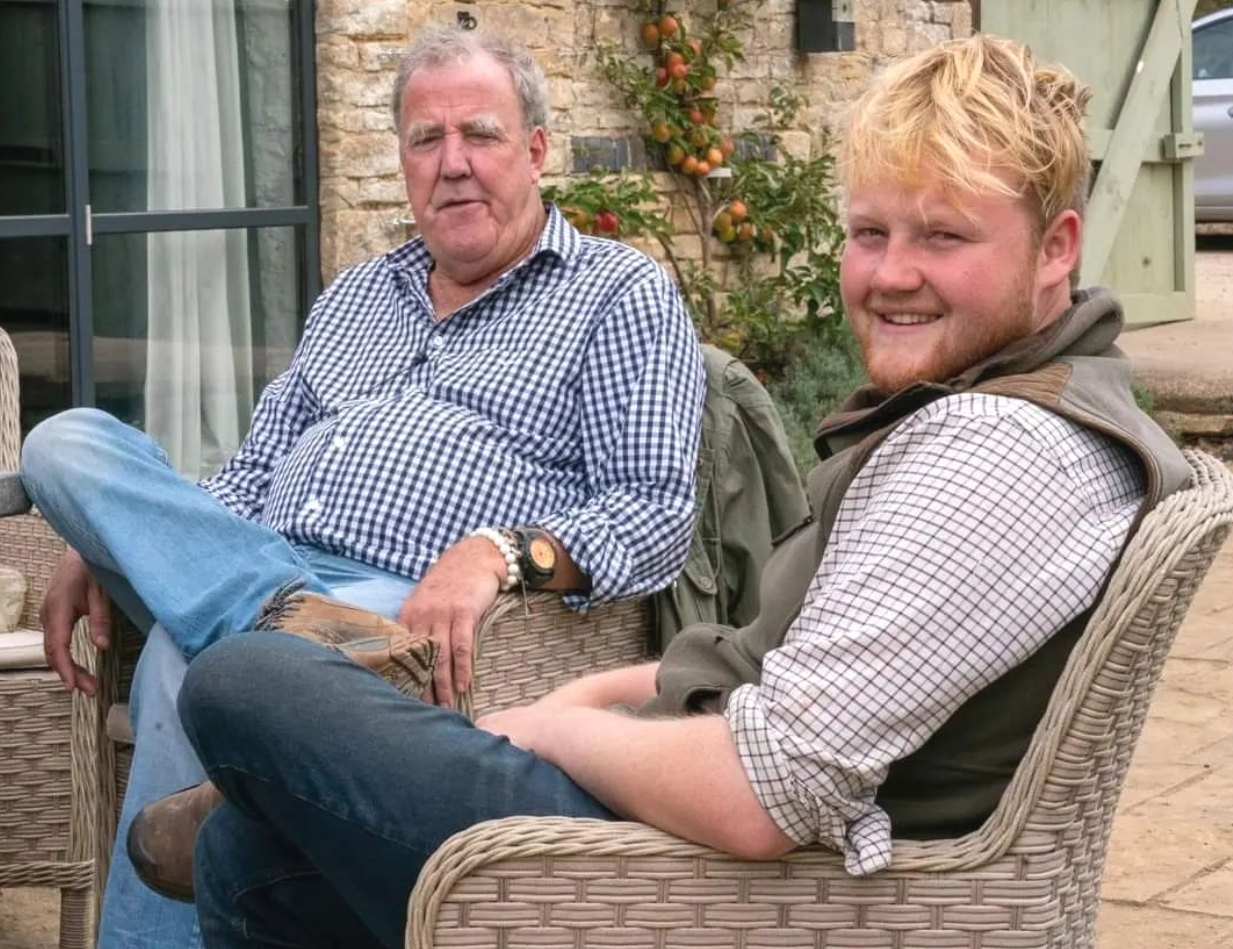
As Season 3 of Clarkson’s Farm premieres, Clarkson finds himself facing even bigger challenges than before. From weather disasters, including the persistent drought, to his battle with the local council over planning permissions, Clarkson’s farming journey has been anything but smooth. Season 3 highlights the difficulties Clarkson faces in diversifying his farm’s income. The farm shop and the newly constructed restaurant (built from a dilapidated barn) were supposed to bring in some much-needed revenue, but even those efforts hit roadblocks. The restaurant faced intense opposition from local councils, and Clarkson had to fight for its right to stay open.
Furthermore, the year’s rising costs have been significant, particularly due to the war in Ukraine and the resulting inflation. Clarkson noted that the cost of seeds, fertilizers, and sprays had more than doubled, from £40,000 to £110,000. Even after spending that considerable sum, he was left hoping for good weather, which, unfortunately, did not materialize. In fact, Clarkson admits that the numbers for this season will likely be even worse than the previous year, with his first-year profit of £114 now looking like a dream result in comparison.
The season also highlights Clarkson’s growing frustration with the limitations of farming. “I’ve tried farming conventionally, it didn’t work,” he says, reflecting on the constant setbacks. “I’ve tried diversifying, and that hasn’t really worked either.” As the show dives into his personal struggles, it becomes evident that Clarkson is at a crossroads. He faces the very real possibility of having to sell the farm, something he had previously considered in light of the ongoing losses. However, due to the fact that farmland is exempt from death duties in the UK, Clarkson’s children would ultimately benefit more if the farm remained in the family.
Farming and the Importance of Awareness
One of the key takeaways from Clarkson’s Farm is how the show has helped to raise awareness about the struggles of farmers. Clarkson’s candid approach to the hardships he faces has not only made for great television but also highlighted the challenges faced by real-life farmers. The show has opened up a conversation about the increasing pressures on the agricultural industry, including the effects of Brexit, poor weather conditions, and changing government policies.
In particular, Clarkson has been outspoken about the impact of Brexit on British farmers, especially as they lose EU subsidies that had previously helped support their livelihoods. Local farmers near Diddly Squat even expressed how their pig farming operations were threatened overnight due to the changing landscape, leaving them without wages and uncertain futures. Clarkson himself has also battled against the absurdity of the bureaucratic red tape involved in trying to build his farm shop or expand his farm’s income through new projects. His battle with the local council serves as an example of how complicated and frustrating farming regulations can be, especially for those looking to make their farms more sustainable and profitable.
Throughout the show, Clarkson makes it clear that the farming community is under siege, with a shrinking number of young farmers, increasing costs, and little to no support from the government. One of the most poignant moments in Season 2 involved Clarkson discussing the challenges of farming in the modern age, particularly how farmers are blamed for environmental degradation while being forced to make difficult decisions for their survival. “People say we can import food from abroad,” Clarkson says. “But do they know how it’s done? Cutting down the rainforest to make way for agriculture is the cost of cheap food.”
The Future of Clarkson’s Farm: Will the Struggles Continue?
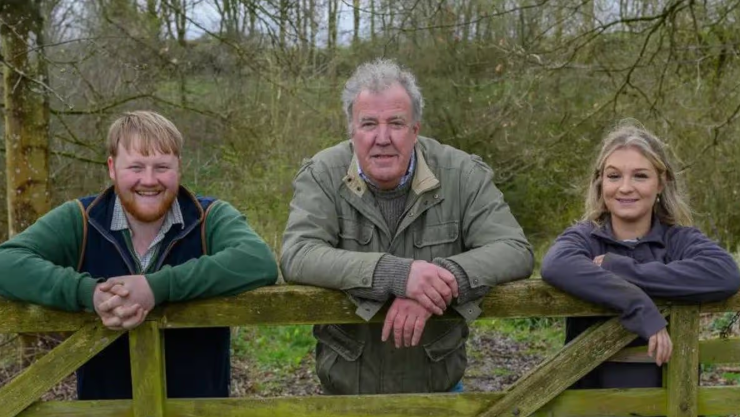
As Clarkson continues to face adversity on Diddly Squat, the future of the farm—and the show—remains uncertain. Will Clarkson be able to find a sustainable way to make the farm profitable? Or will he ultimately decide that the cost of farming is too high and choose to sell? The upcoming episodes of Clarkson’s Farm will no doubt shed light on these questions, and fans are eagerly awaiting the next chapter in Clarkson’s farming saga.
For now, Clarkson remains committed to his farm, despite the challenges. “I could sell the farm and make more money from the interest,” he admits, “but I like having it.” And while the farming world may be tough, Clarkson’s Farm has undoubtedly changed the way we view the agricultural industry, bringing awareness to its struggles while entertaining audiences with Clarkson’s signature humor and candidness. As he faces more challenges in Season 3, one thing is certain: Clarkson’s journey on the farm is far from over.
In the end, Clarkson may not have all the answers, but his willingness to document his journey and expose the realities of farming has sparked a much-needed conversation. It is a reminder that farming, often seen as a simple profession, is far more complex and filled with challenges than many realize. Clarkson’s Farm is not just about farming; it’s about perseverance, adaptation, and the deep love for the land.