How Clarkson Accidentally Changed British Farming: A Deeper Look into the Impact of Clarkson’s Farm
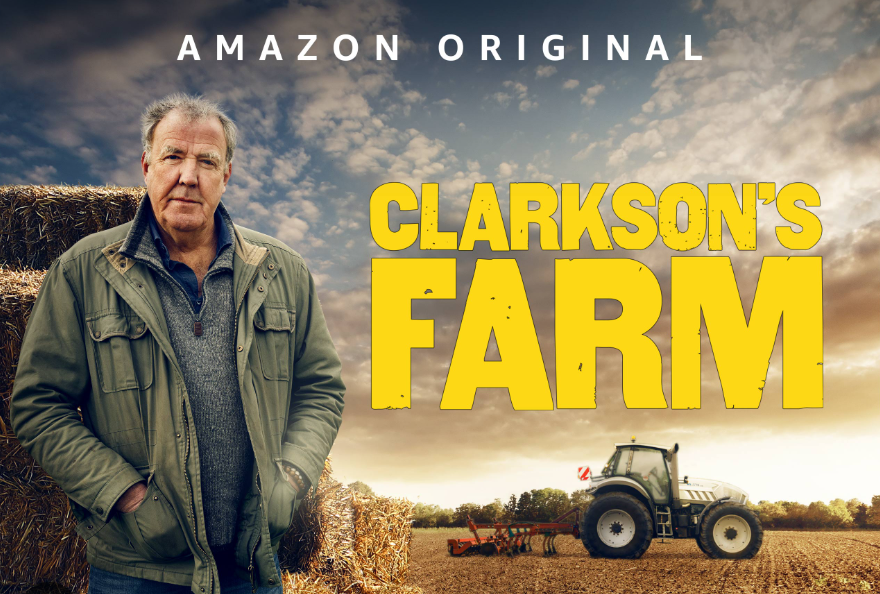
When Jeremy Clarkson, the former Top Gear host known for his love of fast cars and irreverent humor, announced that he was going to try his hand at farming, most of the public likely thought it was a joke. After all, Clarkson had spent decades poking fun at everything from environmentalism to the very idea of farming, often using his platform to mock the industry. But Clarkson’s Farm, the Amazon Prime series that followed his attempt to manage Diddly Squat Farm in Oxfordshire, turned out to be something far more than an over-the-top comedy about a celebrity’s midlife crisis.
In fact, Clarkson’s unintentional foray into farming has had a profound effect on British agriculture. From giving viewers an honest portrayal of the complexities of farming to tackling the bureaucratic challenges that small farmers face, Clarkson has unwittingly sparked a wider conversation about the realities of farming in the UK. By doing so, he’s not only changed the way we view agriculture, but he’s also helped shine a light on the industry’s struggles, all while proving that farming is far more challenging than it might seem at first glance.
Bringing Farming into the Spotlight
Before Clarkson’s Farm, farming wasn’t exactly a hot topic in the UK. It was a niche industry often discussed by agricultural experts but rarely in the mainstream. Clarkson’s decision to dive into farming with little experience gave an outsider’s perspective on the complexities of modern farming. He wasn’t just showcasing a quaint, romantic image of rural life; he was dealing with the practical realities: machinery breakdowns, failed crops, unpredictable weather, and bureaucratic hurdles.
The authenticity of Clarkson’s struggles resonated with viewers. Farming was no longer something that happened in the background of rural life—it became something that audiences could connect with on a personal level. The way Clarkson, aided by his loyal crew, fumbled through the challenges of livestock care, crop planting, and machinery repairs helped paint a picture of what farming in Britain really looked like: hard work, constant setbacks, and plenty of moments where it seemed easier to give up.
The series was educational, yes, but it also made the complex, often frustrating world of farming relatable and even entertaining. Clarkson’s Farm didn’t just shine a light on agriculture—it made it accessible to a larger audience, many of whom might have never thought twice about where their food came from.
Challenging Bureaucracy and Redefining What’s Possible
One of the major themes of Clarkson’s Farm is the bureaucratic red tape that has entangled small farmers in the UK for decades. Clarkson’s attempt to open a farm shop, run a cafe, and operate a small-scale farm has been met with opposition from local councils, and in many ways, his battles with bureaucracy have highlighted the everyday struggles of real farmers trying to innovate and make a living.
For example, Clarkson’s battle with the West Oxfordshire District Council over his farm shop was a defining moment of the series. The council, which repeatedly refused to grant Clarkson the necessary permissions to operate his farm business as he saw fit, represented the frustrating system that many farmers face. As Clarkson tried to expand his business and innovate, he was thwarted by a slow-moving, often contradictory set of rules and regulations. By highlighting this in such a public way, Clarkson has inadvertently drawn attention to how the farming industry in the UK is stifled by outdated regulations that make it harder for farmers to thrive.
At the same time, Clarkson’s experiments with diversification—such as pig farming and mushroom production—have opened a conversation about the need for modern farms to evolve. In the past, farming might have been about growing crops or raising livestock. Today, farms must find new ways to generate income and remain profitable in an increasingly competitive and volatile market. Clarkson, whether by accident or design, has highlighted this shift, showing that diversification isn’t just a luxury—it’s essential for survival.
Changing Public Perception of Farming
Clarkson’s influence extends beyond his own farm. Clarkson’s Farm has also sparked important discussions about the state of British farming. The series doesn’t just focus on the success stories, but it gives equal time to the failures and frustrations, painting a much more realistic picture of what it takes to run a farm today. Through his antics, Clarkson has shown viewers that farming is not simply about romanticizing the countryside or adhering to outdated ideals; it’s about facing the daily grind of managing a business, dealing with nature’s unpredictability, and navigating complex laws that hinder progress.
In a sense, Clarkson has unintentionally become a voice for the underdog farmers who don’t have the fame or resources he does. Through his very public struggles, Clarkson has shone a light on the challenges faced by small-scale, family-run farms and the ways in which they are often forgotten by both the government and the public. For many viewers, Clarkson’s journey from clueless beginner to somewhat competent farmer has been a wake-up call, forcing people to reconsider what they take for granted when it comes to their food.
A New Era for Farming TV
As Clarkson’s Farm continues to grow in popularity, the impact of the show on British farming is becoming clearer. It has opened up the industry to a new generation of viewers and redefined the genre of farming documentaries. What began as a comedy has transformed into something far more substantial. By bringing attention to issues like land use, food production, sustainability, and the challenges of modern agriculture, Clarkson has inadvertently become an advocate for change in the farming industry.
But the question remains: What’s next for Clarkson’s Farm and for British farming as a whole? Clarkson’s influence is undeniable, but it will be interesting to see if the momentum his show has created will lead to tangible changes within the industry. Will policymakers take notice of the struggles Clarkson has highlighted, and will there be reforms in farming regulations? Will Clarkson continue to experiment with new farming ventures, or will the challenges prove too much? As the show enters its next season, it’s clear that Clarkson’s journey has only just begun—and so too has the conversation about the future of British farming.
Ultimately, Jeremy Clarkson’s unexpected journey into farming has changed the way we think about agriculture in Britain. His unintentional role in raising awareness of the issues facing modern farmers and his efforts to bring farming into the mainstream have had a lasting impact. Whether you’re a fan of his or not, Clarkson’s influence on British farming is undeniable. And in the years to come, his legacy could be seen as the catalyst for a much-needed revolution in the way we approach farming, food production, and rural life.