Kaleb Cooper Reveals All About Working on Clarkson’s Farm.
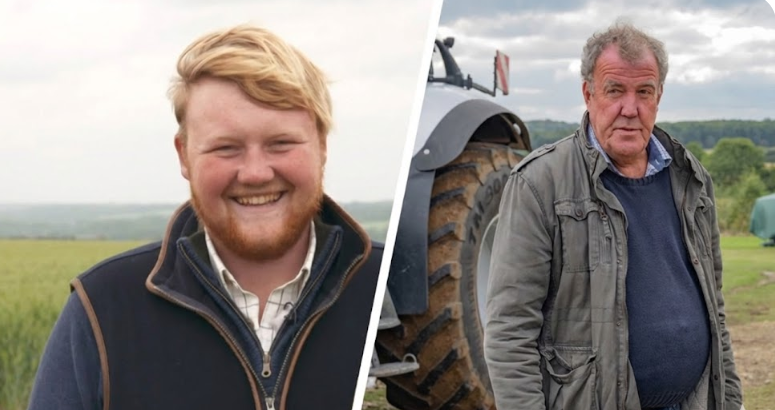
He may have become a household name almost overnight, but Kaleb Cooper insists he is happiest exactly where he has always been — in the middle of a field, far from television studios and city lights.
The young farmer, whose straight-talking partnership with Jeremy Clarkson has become one of the defining features of Clarkson’s Farm, recently reflected on how an ordinary contracting job turned into global recognition.
“I didn’t even know who owned the land,” Cooper recalled of his early days working the fields that would later become famous as Diddly Squat Farm. Clarkson had purchased the Oxfordshire property in 2008, but Cooper only began working there in 2016 while employed by a local contractor. His routine was simple: turn up, spray, cultivate, move on.
It was only later that he learned the farm belonged to one of Britain’s most recognisable television personalities.
The turning point came when the contractor he worked for retired. Suddenly without a position, Cooper faced uncertainty. By then, however, he had already set up his own agricultural business. Clarkson, preparing to take a more hands-on approach to farming, offered him the opportunity to continue running operations — albeit with a new dynamic.
“The only problem is I’ll be your boss,” Clarkson told him.
Cooper laughs at the memory, but the arrangement has proven central to the programme’s appeal. On screen, the contrast is striking: Clarkson, enthusiastic but inexperienced, eager to experiment; Cooper, methodical and deeply knowledgeable, grounded in practical farming realities.
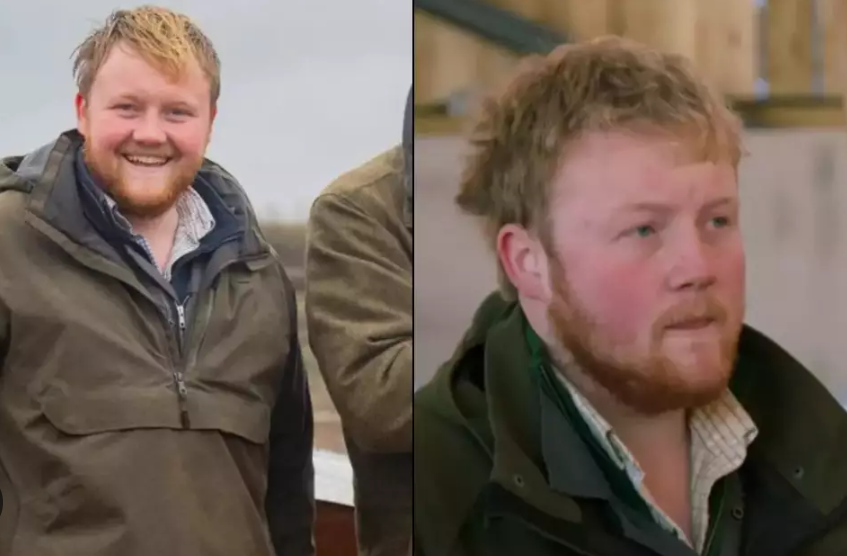
“Technically he is my boss,” Cooper admits. “But I’m the boss really.”
The humour that flows from their disagreements has resonated with viewers around the world. Yet beneath the comedy lies a serious portrayal of modern farming — one marked by long hours, financial pressure and complex decision-making.
“It’s not just eight-hour days,” Cooper explains. “In the summer it’s 16-hour days. Non-stop.” Winter may offer slightly shorter shifts, but harvest season demands relentless focus. Mistakes made during drilling, fertilising or planting can affect yields months later.
One memorable episode captures Clarkson attempting to drill seeds into a field, despite Cooper’s detailed instructions. What viewers saw as a brief exchange was, Cooper reveals, the result of six hours spent trying to teach the technique — one of the most critical tasks on the farm.
“He doesn’t listen,” Cooper says, only half joking. “That’s why you see me shout at him.”
The machinery has also become part of the story. Clarkson’s oversized, German-built tractor — loaded with complex digital controls — proved particularly frustrating. Cooper, who favours more traditional equipment, has not hidden his disdain.
“It should stay in the shed and rot,” he quips.
Despite the friction, Cooper acknowledges Clarkson’s genuine interest in learning. That enthusiasm, he says, makes the partnership workable. The show’s success has also highlighted the broader challenges farmers face, from fluctuating commodity prices to unpredictable weather and rising costs.
While Clarkson absorbs much of the financial risk — famously revealing how slim margins can be — Cooper represents the day-to-day reality of agricultural labour. For him, farming is not a novelty project; it is a vocation.
“A job shouldn’t be something you dread,” he says. “I get up in the morning and I’m excited. I know I’m going on the tractor. I know what I’m doing. That’s my life.”
That authenticity has helped transform him into an unlikely television personality. Since the series launched on Amazon Prime Video, Cooper’s social media following has surged dramatically. He reports gaining tens of thousands of followers within weeks of the first season’s release.
Public recognition, however, has brought adjustments. “I can’t walk down the street without someone asking for a selfie,” he says. While he is happy to oblige, the attention contrasts sharply with his preference for rural anonymity.
“Take me to London? It’s horrible,” he laughs, recalling a school trip where he stayed on the coach rather than explore the capital. In one episode of the series, Clarkson sends him to the city to help sell farm produce — an experience Cooper describes as the “worst day” of his life.
For all the humour, Cooper is serious when asked whether he would encourage younger generations to consider farming as a career.
“Absolutely,” he says. “It’s a way of life.”
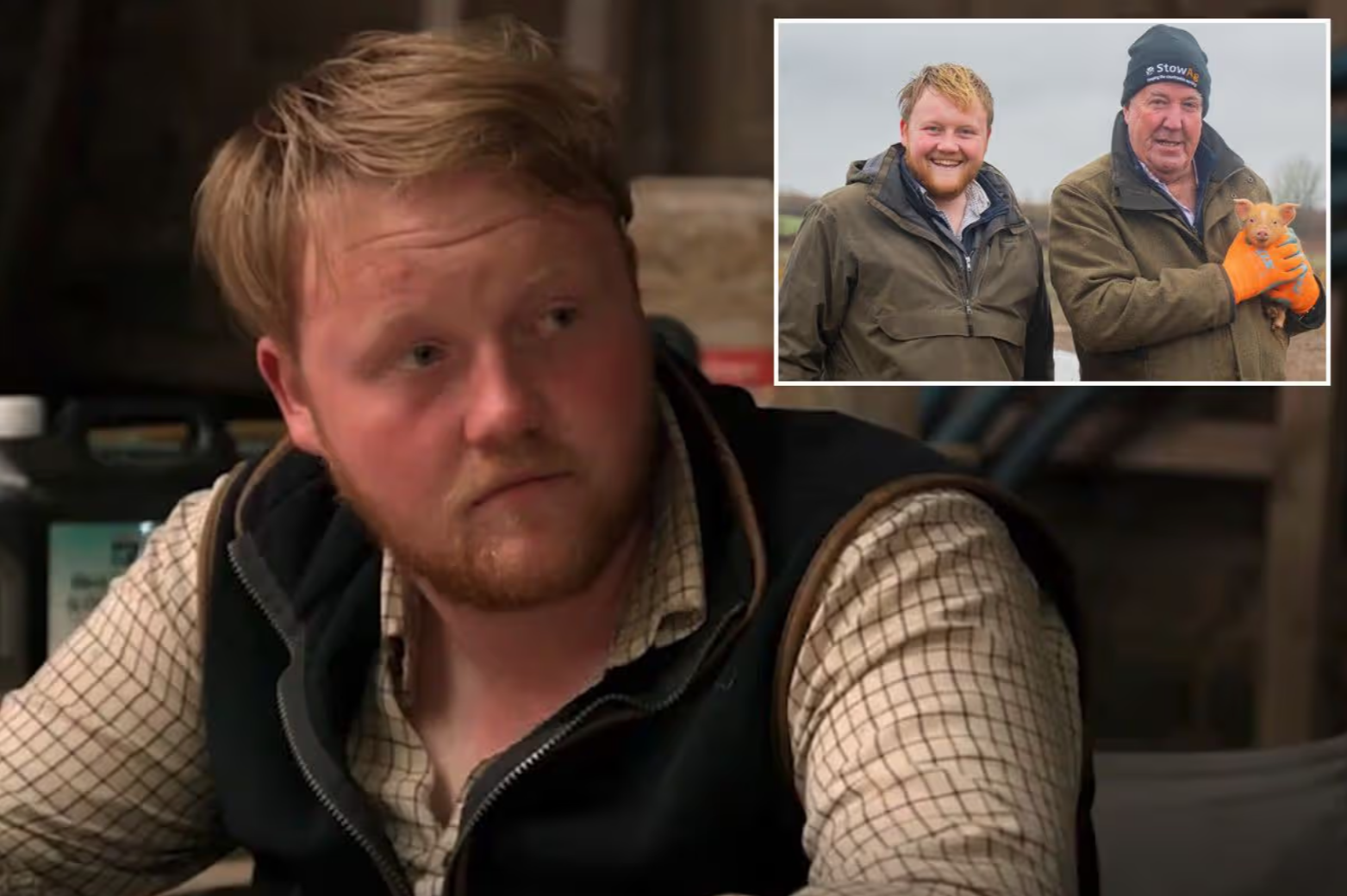
His message arrives at a time when the agricultural sector faces labour shortages and economic uncertainty. By presenting farming as both demanding and rewarding, Clarkson’s Farm has inadvertently become a form of advocacy — demonstrating that behind supermarket shelves lie complex systems of expertise and endurance.
The programme’s global reach has also reshaped perceptions of British farming. Viewers from urban centres and overseas markets now witness the intricacies of soil preparation, crop rotation and livestock management in real time.
Yet Cooper remains grounded. Fame may have followed him, but his priorities have not shifted.
“I like where I am now,” he says, gesturing toward open fields. “That’s me. I’m happy here.”
As Clarkson’s Farm continues to attract international audiences, Cooper’s straightforward honesty remains its steady anchor. The overnight sensation, it seems, never intended to become one — and perhaps that is precisely why viewers trust him.
For now, the cameras may follow, the followers may grow, and invitations may arrive from far beyond Oxfordshire. But when the interview ends, Cooper returns to what he knows best: the tractor seat, the soil beneath his boots and another long day on the land.