Jeremy Clarkson Loses £4,000 of Crops To Insects and Flooding
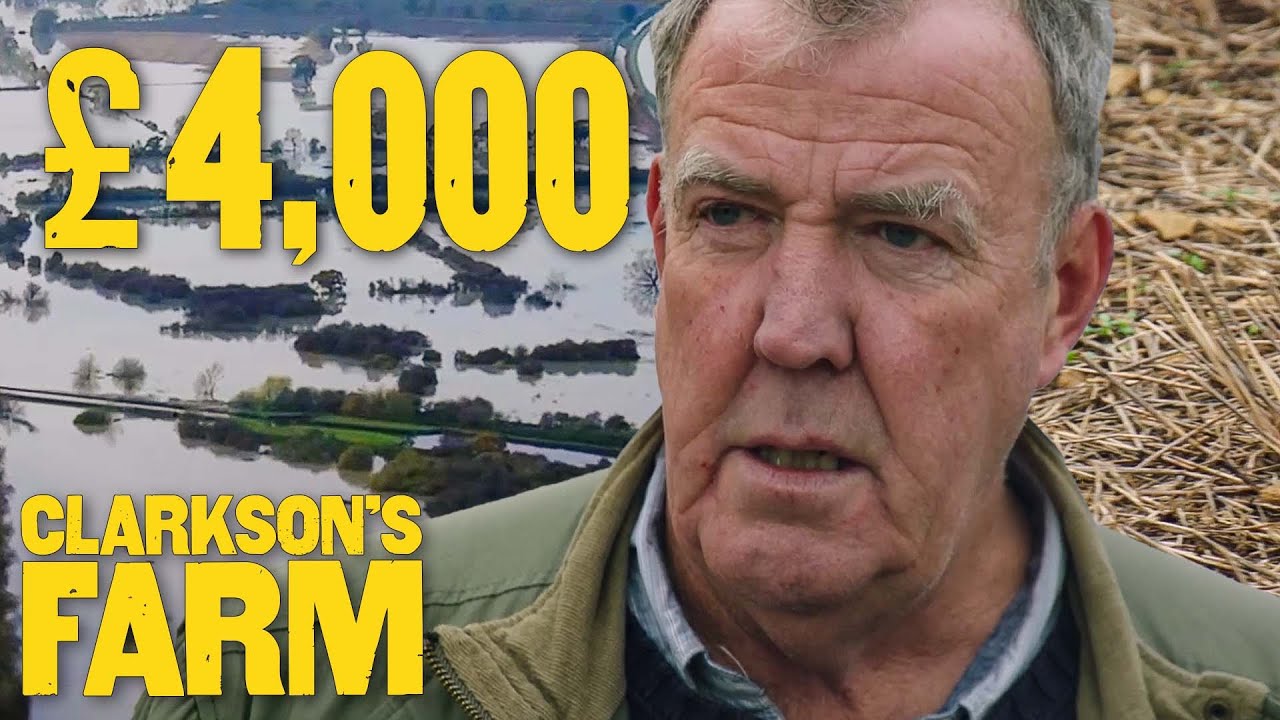
The Autumn of 2019 will be remembered as one of the most catastrophic seasons for British farmers in modern history. With unprecedented weather patterns ravaging farmlands, it seemed like nature itself had conspired to crush the already fragile farming industry. Across the country, farmers struggled to make ends meet as their fields, once thriving with crops, were submerged in an unrelenting barrage of torrential rain.
The Flea Beetle Crisis: A Deadly Blow to Farmers’ Livelihoods
One of the most devastating blows to farming operations this autumn came from an unexpected enemy—the flea beetle. The small but destructive pest swept through crops, particularly affecting fields of oilseed rape. The situation, as described by a distressed farmer, was catastrophic. “The whole field failed,” the farmer lamented, pointing to acres of crops that had been destroyed. “The beetles have foraged the entire lot. All four hectares are gone, just like that.”
The cause of the devastation is a combination of factors. The European Union’s ban on certain seed coatings, which would typically act as a protection against such pests, left farmers defenseless. With no legal alternatives available, the outcome was inevitable. “There’s about 12 tons of crop lost, which is around £4,000 worth of produce,” the farmer continued. “It’s heartbreaking. The EU won’t allow me to use the necessary chemicals to protect these crops, and now my entire season is ruined.” This unfortunate incident highlights the broader issue of regulations that, while meant to protect the environment, often leave farmers with their hands tied when nature strikes.
The Relentless Rain: A Season of Constant Struggle
Just when farmers thought the worst was behind them, another disaster hit—rain. After a brief respite, heavy rainfall returned with a vengeance, turning fields into unmanageable quagmires. The Met Office recorded rainfall levels unseen in over a century, with some areas experiencing a month’s worth of rain in just a single day. This deluge wreaked havoc on crops and farmland, with widespread flooding damaging fields, creating dangerous driving conditions, and disrupting daily life across the UK.
For farmers, this relentless rain meant that planting seeds was no longer an option. The ground became too waterlogged to cultivate, forcing many to abandon their plans for autumn planting altogether. “I used to work in the city, reading car magazines, but now I only read Farmer’s Weekly and Farmer’s Guardian,” said a farmer. “All they talk about is rain—unbelievable amounts of it. It’s all anyone can talk about now.”
Farmers’ Struggles Intensify as the Future Looks Bleak
The impact of this extreme weather was not limited to a single farm or region. Across the UK, farmers watched as the reality of climate change seemed to manifest right before their eyes. Reports flooded in from across the country of fields that could no longer be planted, equipment that became bogged down in the mud, and crops that were simply washed away. “It’s just rain, rain, and more rain,” one farmer said, shaking their head in disbelief. “I’ve never seen anything like it. Every day brings a new disaster.”
For many farmers, the situation reached a breaking point as they tried desperately to salvage whatever they could from a season that had become a nightmare. “You couldn’t have picked a worse year to start farming,” one farmer remarked. “This is unbelievable weather, and it’s devastating.” The rain didn’t just affect crops; it also played havoc with infrastructure, making roads impassable and creating further delays in an already chaotic harvest season.
A Farmer’s Struggle to Adapt in a Changing Climate
As UK farmers face the fallout from these extreme weather events, there’s an urgent conversation about how to adapt to the realities of climate change. With rainfall patterns becoming more unpredictable and severe, farmers are being forced to rethink their strategies. Some are exploring innovative ways to manage water on their land, while others are considering crop diversification to reduce the risk of crop failure from extreme weather conditions.
However, adapting to these challenges isn’t as simple as just changing farming methods. Financial support and policy changes are needed to help farmers weather the storm—both literally and figuratively. The financial strain of lost crops, along with the ongoing pressure of adapting to new climate conditions, means that many farmers are at a crossroads, unsure of how to survive without greater support from the government.
Looking Ahead: Is There Hope for the Future?
Despite the overwhelming challenges they face, UK farmers continue to show resilience. While the losses from the autumn of 2019 were significant, many are holding on to the hope that better weather conditions will return in the future. However, the future of farming in the UK may look very different as farmers begin to realize the long-term implications of climate change.
While the UK government has introduced initiatives to support sustainable farming, it remains to be seen if these measures will be enough to protect farmers from the increasingly erratic and dangerous weather conditions that are now a fixture of modern farming life. In the meantime, the UK’s farmers continue to face a precarious future, hoping for relief but bracing for more unpredictable weather to come.
As we move further into the 21st century, the hope is that farmers will receive the support and tools they need to continue producing food sustainably, even in the face of climate change. But if the events of autumn 2019 are any indication, the road ahead is sure to be a tough one.
Farmers, who have been struggling to manage their land under the unrelenting rainfall, may find it more difficult than ever to balance the demands of an unpredictable climate, dwindling resources, and mounting financial pressures. While they may be the backbone of the nation’s food supply, the challenges they face may require a massive overhaul in policy and farming practices to secure the future of agriculture in the UK.