Jeremy Clarkson opens up on ‘upsetting’ loss that devastated partner Lisa Hogan
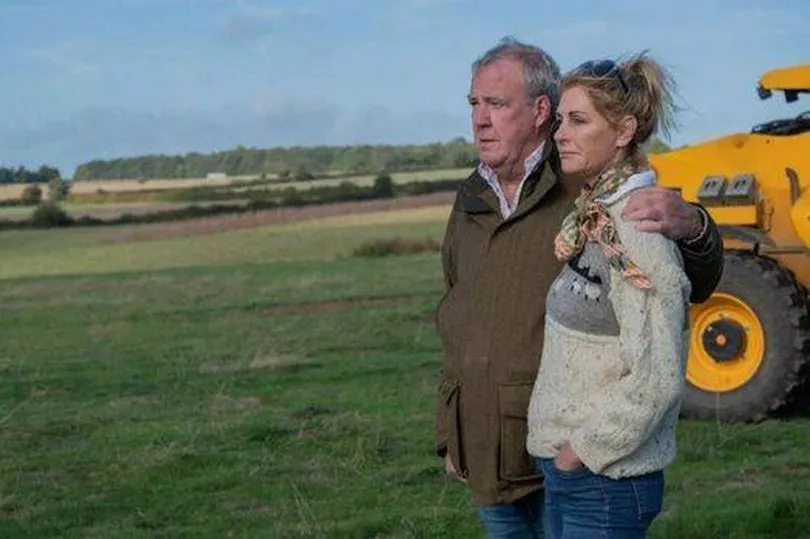
Jeremy Clarkson, the former Top Gear presenter and star of the Amazon hit Clarkson’s Farm, has opened up about a deeply upsetting loss on his farm that has had a profound impact on him and his partner, Lisa Hogan. In his latest book, Diddly Squat: Home to Roost, Clarkson recounts the emotional strain of discovering the couple’s much-loved horse, Bertie, “lying on his side, in a stream” just before Christmas 2023—a moment he describes as distressing and “not a fun event, even for me.”
Clarkson’s candid reflections go beyond the personal grief, offering a glimpse into the complex realities of modern farming. “When Lisa’s horse died, I was upset because I could see she was. And because I would have to deal with it,” he wrote. This statement highlights not only the personal emotional toll of caring for animals but also the unexpected responsibilities and pressures faced by farmers, even those in the public eye.
While Clarkson has become a household name through his television series, which follows his journey as a farmer in the Cotswolds, he has faced serious financial and operational challenges. His latest book provides a frank look at the economics of farming, revealing that despite the series’ popularity, his agricultural ventures have not been without struggle.
Clarkson paints a vivid picture of the difficulties he faced during the 2023 farming year, which he calls “very bad.” Comparing his experience to that of other farmers, he notes a sobering perspective: “I spoke to an old boy and he said that in his 60 years of working the land, only two harvests were what he’d call very good. This year, though, was noticeably bad.” This statement reflects the reality that farming remains a highly unpredictable industry, dependent on uncontrollable factors such as weather and global events.
Financial challenges were compounded by rising costs due to inflation and geopolitical events. Clarkson explained that while he typically invests around £40,000 in seeds, fertiliser, and sprays, the 2023 season required an astonishing £110,000 due to the combined impact of the war in Ukraine and subsequent price increases. “And then, having done that, all I could do was hope the weather would be good. Which it wasn’t,” he lamented. He contrasts this with his first year of farming, when he made a modest profit of £114—a figure that now seems more favorable in hindsight given the current financial strain.
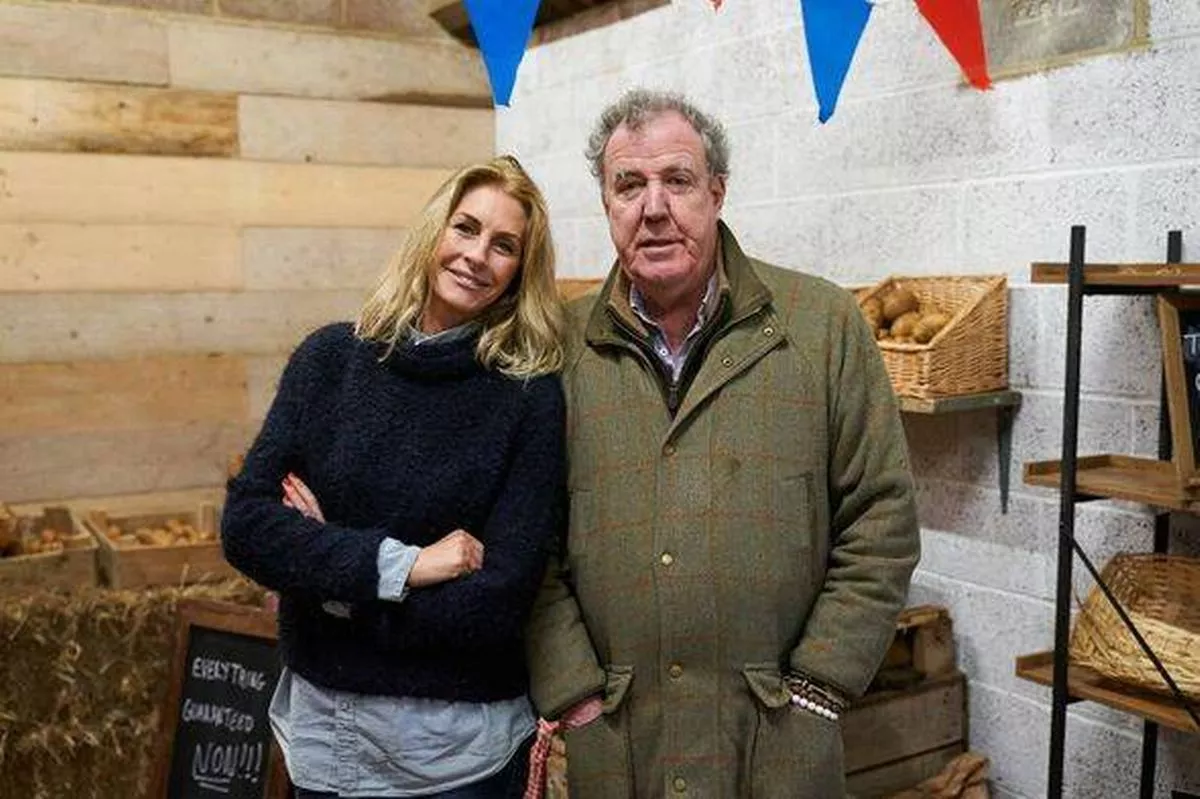
Clarkson also expressed concern for the wider farming community, noting that while some farmers, like Adam Henson, experienced better yields, thousands faced disaster. “It’s all right for Adam Henson, because somehow, his stuff grew well, and it’s all right for me, because I had Amazon in the background. But for thousands of other farmers it’s not alright: 2023 has been a disaster.” This observation underscores a critical point: farming success is unevenly distributed, heavily influenced by both environmental conditions and the presence of supplemental income streams, such as media contracts.
In addition to farming challenges, Clarkson’s other ventures have also encountered financial difficulties. The Farmer’s Dog, his pub, has struggled to remain profitable, with Clarkson admitting he lost £10 for every customer who entered. This disclosure illustrates the broader economic pressures faced by small business owners in rural areas, where operational costs can easily outpace revenue.
Analyzing the Current Challenges and Implications for the Future
Clarkson’s revelations provide valuable insight into the multi-faceted challenges of running a farm and rural business in contemporary Britain. Rising input costs, unpredictable weather, and market volatility are persistent threats, highlighting the need for innovative solutions to ensure sustainability.
One potential development for Clarkson’s farm could involve increasing reliance on technology and mechanization to reduce labor costs and increase efficiency. Given his media exposure and financial backing from Amazon, Clarkson has the resources to experiment with precision agriculture, automated machinery, or even alternative revenue streams such as farm tourism and merchandise. These measures could help mitigate losses during poor harvests.
Financial sustainability may also require diversifying operations. Clarkson’s farm has already garnered a significant following through his Amazon series, books, and social media, which can be leveraged to create additional income. Offering workshops, farm tours, or exclusive content to fans may help offset future financial shortfalls. Similarly, improvements to The Farmer’s Dog pub could involve targeted marketing, event hosting, or partnerships with local producers to attract more patrons while controlling costs.
The emotional aspect of farm management also cannot be ignored. The loss of Bertie underscores the psychological and relational pressures involved in animal care, which are often underestimated. Future developments may include more robust contingency planning for animal welfare, emergency veterinary protocols, or even expansion into livestock insurance to safeguard against similar events. Emotional resilience and preparedness may become as critical to Clarkson’s farming success as financial acumen.
Predictions for the Year Ahead
Based on the data provided, several potential trajectories emerge for Clarkson’s ventures:
-
Improved Operational Efficiency: By analyzing past mistakes and adapting to cost fluctuations, Clarkson may optimize seed usage, crop rotation, and fertilization schedules to improve yields and reduce waste.
-
Diversification of Revenue Streams: With media exposure and merchandise, additional revenue channels such as online content, merchandise, and tourism could supplement farming income.
-
Community and Industry Influence: Clarkson’s visibility allows him to advocate for policy changes or subsidies that support struggling farmers, potentially influencing the wider agricultural sector.
-
Mental Health Considerations: The emotional toll of animal loss may encourage Clarkson to implement better support systems on the farm, balancing productivity with care and well-being.
-
Long-Term Sustainability: Strategic investment in resilient crops, sustainable practices, and alternative income avenues may become central to maintaining the farm’s viability amid environmental and economic uncertainty.
While Jeremy Clarkson’s public persona is often associated with humor and irreverence, his candid reflections reveal the stark realities of farming life—financial unpredictability, emotional strain, and the challenges of managing a rural business. His experiences provide a cautionary tale for both aspiring and seasoned farmers, while also highlighting opportunities for innovation and resilience in a sector under pressure.
As Clarkson continues to document his journey, both in print and on screen, audiences are offered a rare glimpse into the intersecting pressures of media, farming, and personal life. The road ahead is uncertain, but with strategic adaptation and diversified approaches, Clarkson may turn the trials of 2023 into lessons for long-term success, both on the farm and beyond.