Jeremy Clarkson’s Farm Disaster: The Near-Fatal Mistake That Changed Everything
Jeremy Clarkson Reveals Near-Miss Farm Accident: A Wake-Up Call From the Fields
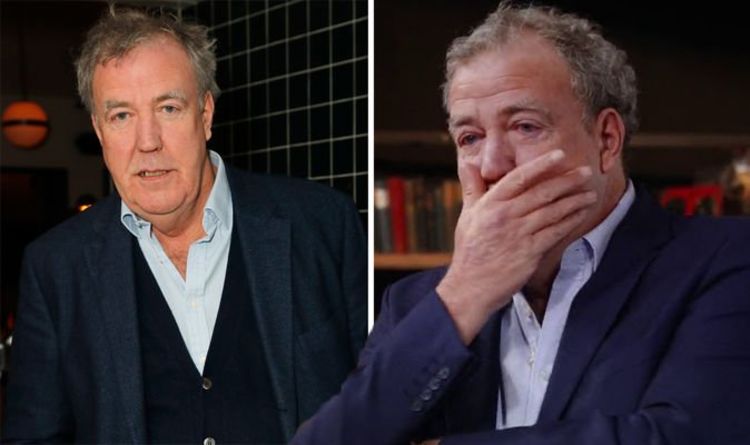
Jeremy Clarkson has revealed that he came dangerously close to losing his leg in a freak accident on his Oxfordshire farm — an incident that left him limping for days and reflecting on just how hazardous agricultural life can be. The 61-year-old television presenter, best known for Top Gear and The Grand Tour, shared the story on The Jonathan Ross Show, due to air on Saturday, describing how a split-second misjudgment while operating heavy machinery could have changed his life forever.
“I got this thing called a telehandler,” Clarkson explained — referring to a type of JCB-style lifting machine used for handling loads and fence posts. “I thought, ‘I’ll just use its front to push the post in.’ It got halfway into the ground and the fence was leaning on it. Then suddenly, it flicked back. How it didn’t take my leg off, I have no idea. I didn’t walk properly for a week. This was a quarter of a tonne of fence post.”
It was a typically vivid Clarkson anecdote, told with his trademark dry humour — but beneath the bravado lay a sobering truth. “Farming,” he told Ross, “has more accidents than all the other industries put together.” His remark rings true: according to UK safety data, agriculture remains one of the country’s most dangerous professions, with machinery mishaps, livestock injuries, and vehicle rollovers a constant threat.
From Motorways to Mud Tracks
Clarkson’s revelation adds another layer to his surprising second act as a farmer — an evolution that has both amused and educated millions of viewers. His hit Amazon Prime documentary Clarkson’s Farm, which premiered in 2021, chronicles his chaotic yet sincere attempt to run his 1,000-acre farm in the Cotswolds. The series quickly became a sleeper success, praised not just for its humour, but for its authenticity and unfiltered portrayal of British farming life.
The farm, known as Diddly Squat, has been in Clarkson’s possession since 2008. For years, he left it in the capable hands of a local farmer who managed the land on his behalf. But when that farmer retired in 2019, Clarkson — newly freed from his Grand Tour commitments — decided to take on the challenge himself. It was, he has often said, an act of curiosity as much as necessity.
“I was contractually obliged to make a programme on my own,” Clarkson told Ross. “I thought, ‘I’m slightly bored of Terminal 5 — I’ll film at home on the farm.’ I thought it would be a lovely programme, just me trying to learn how to be a farmer. And you know what? I genuinely love it out there.”
Diddly Squat: The Reality of Rural Reinvention
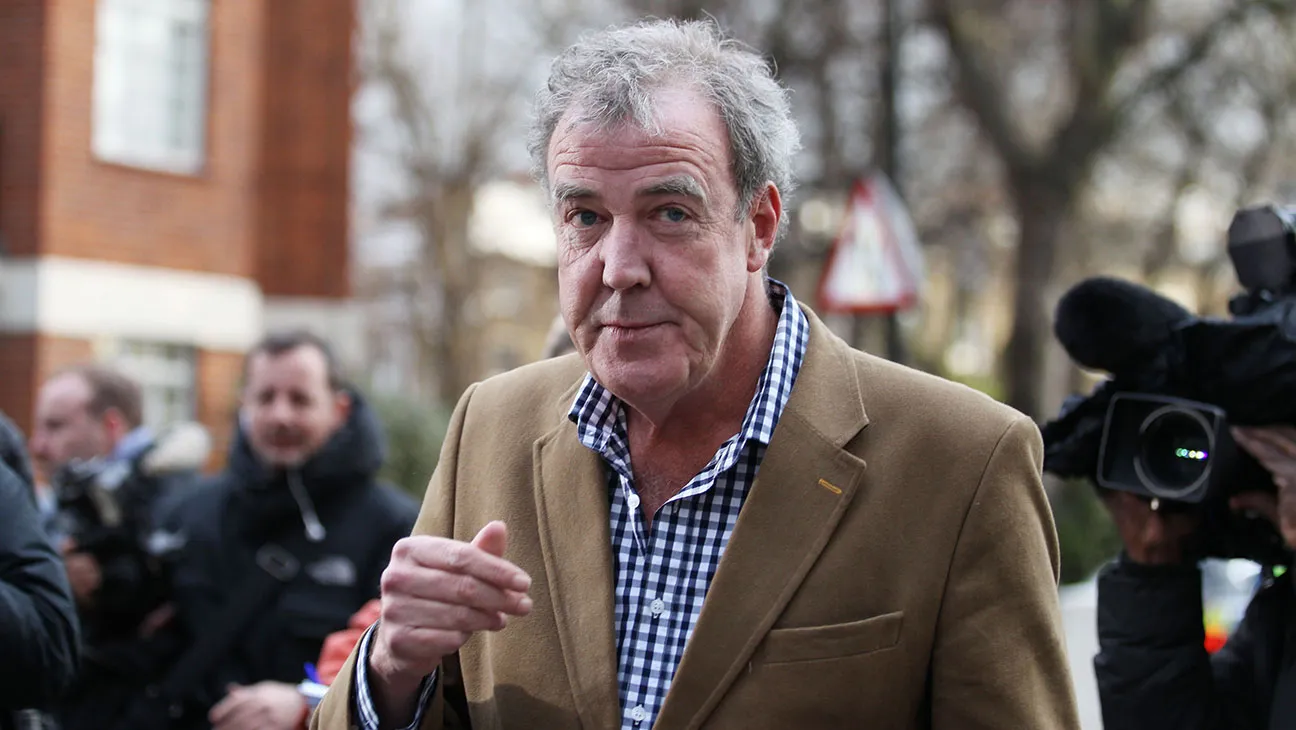
The show’s appeal lies in its blend of comedy, chaos, and candid lessons. Clarkson’s blend of confidence and cluelessness provides a mirror for any outsider stepping into a complex new trade. He wrestles with bureaucracy, weather, machinery, and livestock — while learning from those who know the land best. Chief among them is Kaleb Cooper, his no-nonsense young farmhand and breakout star of the show.
“Kaleb is entrepreneurial,” Clarkson told Ross. “That’s how I’d describe him. The [farm] shop is a huge success, and consequently we’ve had to mow a field near it so people can park there. It’s really a mud bath — but Kaleb goes up and charges people £15 to tow their cars out. That’s pure initiative.”
The farm shop, opened to sell produce directly to visitors, became a phenomenon in its own right — drawing crowds from across the country. The sight of city-dwellers queueing in the mud for a jar of local honey or a loaf of Clarkson’s “cow juice” butter has become part of the legend. Yet behind the scenes, running the farm is no joke. Clarkson has been candid about the constant setbacks: poor harvests, endless red tape, and now, the physical risks of the job itself.
Lessons in Humility
Speaking to Sky News earlier in the year, Clarkson reflected on what he has learned from his more experienced colleagues. “I get shouted at all the time,” he said. “I’m constantly being shouted at by newspapers and bosses — that’s normal. But on the farm, it’s different. You get shouted at by people who actually know what they’re doing. I thought I knew best. And then, of course, you realise you don’t. You must listen.”
That humility may be the most striking transformation in Clarkson’s story. For decades, he was the face of motoring machismo — roaring engines, fast cars, and brash opinions. Yet farming has revealed a gentler, more reflective side. His forthcoming book, Diddly Squat: A Year on the Farm, captures the trials and triumphs of his agricultural adventure: the joy of the land, the stubbornness of sheep, the fury of the weather, and the quiet pride of seeing things grow.
A Close Call and a Cautionary Tale
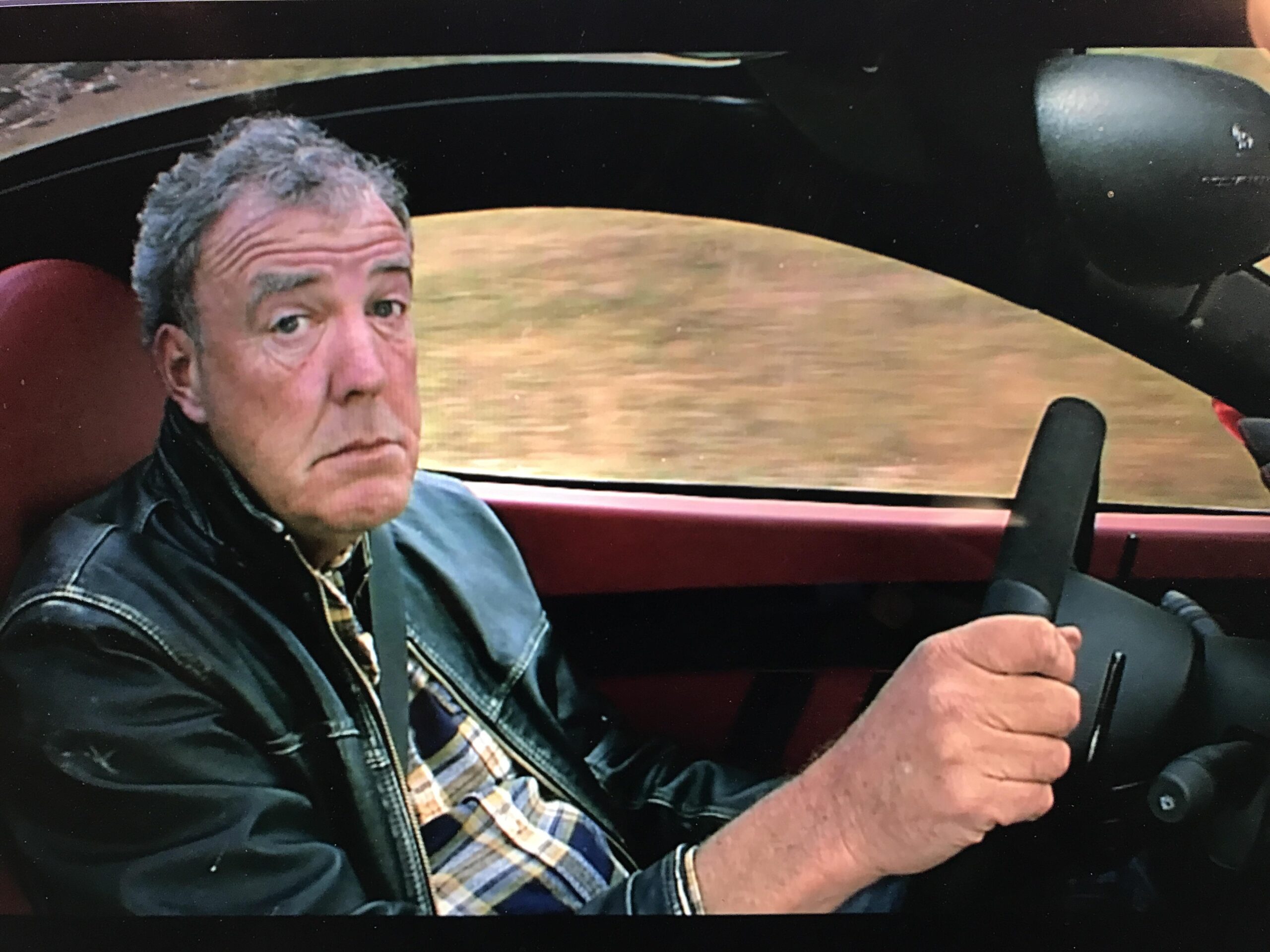
The telehandler incident may have been brief, but it symbolises the reality behind the show’s laughter. Farming, like motoring, demands respect for machinery, precision, and awareness of danger. Clarkson’s lucky escape could easily have been catastrophic — a reminder that even on-screen adventures have very real stakes.
In the end, his brush with disaster underscores the deeper message of Clarkson’s Farm: that behind every loaf of bread and every bottle of milk is a world of hard labour, risk, and resilience. And if it takes a celebrity nearly losing his leg to make audiences appreciate that — well, Clarkson, as always, has found a dramatic way to get the message across.