Kaleb Cooper opens up about how farming saved his life after the traumatic events of his childhood.
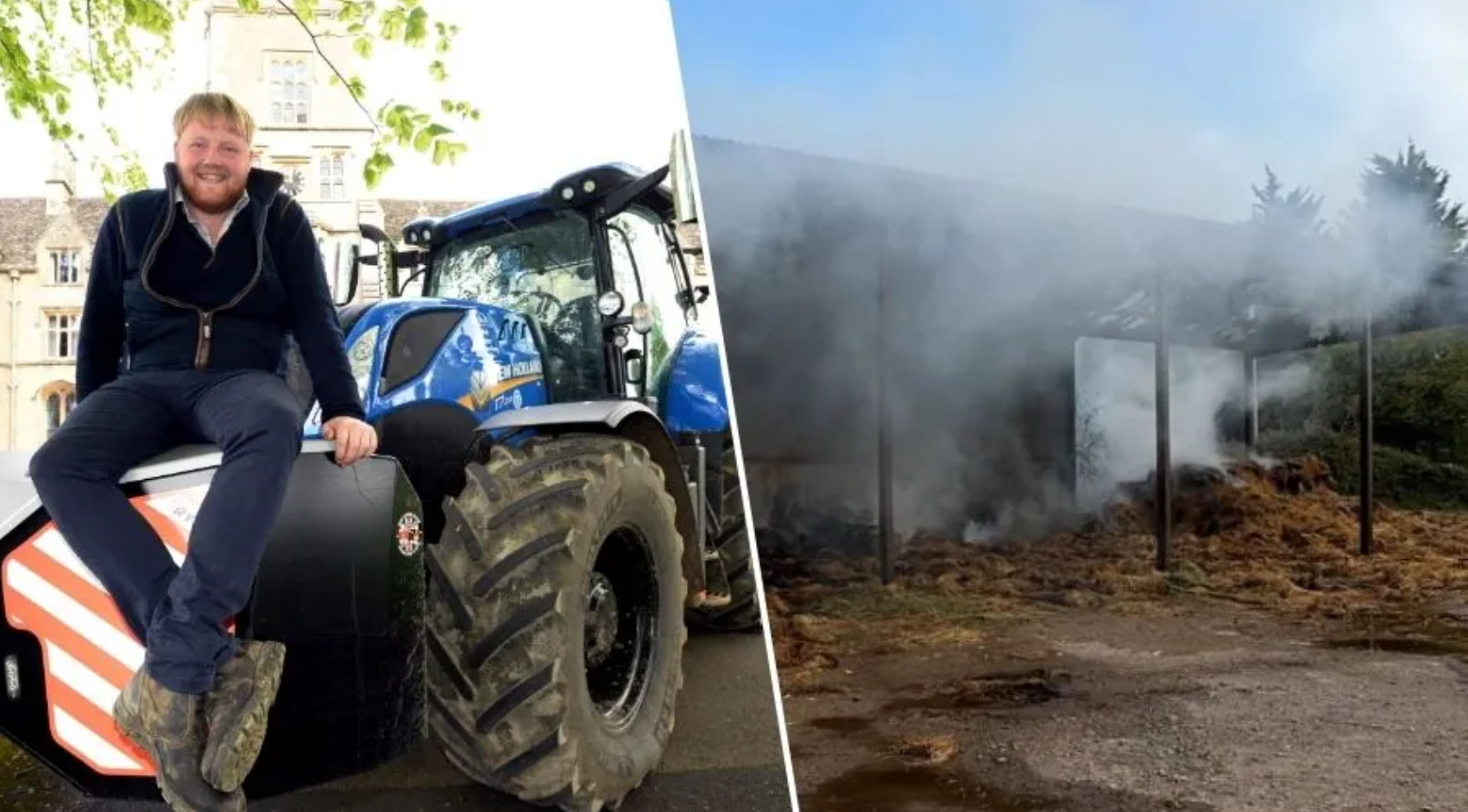
Kaleb Cooper has spoken candidly about how farming became far more than a job for him, describing it as the force that helped shape his life after a difficult childhood marked by family separation and financial pressure.
The Clarkson’s Farm star, now widely recognised by viewers for his plain-speaking humour and deep knowledge of the land, reflected on his early years and the unusual path that led him into agriculture. His story begins not with television fame, but with a 12-year-old boy trying to find purpose while his family life changed around him.
Cooper said his parents’ divorce divided the household, with him and his mother going one way while his brother and father went another. At the same time, his mother had recently launched a mobile dog grooming business, visiting customers’ homes, plugging into their electricity supply and grooming their pets. It was a practical idea, but money was slow to arrive in the early stages.
For Cooper, that period became a turning point. Rather than waiting for stability to return, he decided he wanted to become a farmer. At just 12 years old, he took his first job on a dairy farm, milking 120 Brown Swiss cows through robotic milking systems and helping rear young stock. It was demanding work for someone so young, but it gave him a sense of direction.
By the age of 13, Cooper’s entrepreneurial instincts had already begun to show. While many children might have expected a games console, television or other birthday present, his mother gave him three chickens. That small gift quickly became the foundation of his first business: Kaleb Cooper’s Happy Hen Egg Company.
The business grew with remarkable speed. Within two months, Cooper had expanded from three chickens to 450. He began selling eggs around Chipping Norton, carrying a basket door to door and learning early lessons in customer relationships. He soon discovered that older residents formed his strongest customer base, and that conversation could be just as important as the product itself.
When customers invited him in for tea, Cooper realised that accepting often helped him sell another dozen eggs. The routine involved plenty of tea and biscuits, but it also taught him the fundamentals of local trade, trust and repeat business. Long before he appeared on television, Cooper was already learning how rural enterprise works at street level.
At 14, he looked for ways to expand again. With hundreds of chickens already producing eggs, he bought three sheep. His thinking was simple: if he could sell eggs to local households, he might also be able to sell lamb. The idea worked, and he added another income stream to his young business. Even then, however, the difficulties of handling livestock gave him a clear understanding that farming was never as simple as it looked from the outside.
A year later, Cooper tried to take another step forward. Knowing he had not been born into a farming family and had no farm to inherit, he saw agricultural contracting as the next best route into the industry. At 15, he bought his first tractor, a Case International 1394.
The purchase became one of his earliest major lessons in business. Cooper admitted that the tractor was unreliable and repeatedly broke down. He had been so excited to own one that he failed to check it properly before buying it. The result was costly. Jobs were missed, customers were let down and the contracting venture struggled.

Yet Cooper does not appear to view that episode simply as failure. Instead, he frames it as a learning curve. The tractor taught him that enthusiasm alone is not enough. Machinery has to be checked, decisions have to be practical and reputation matters when customers are depending on you.
His commitment to work also created problems at school. Cooper said his attendance dropped dramatically because he was running businesses and working full-time. The school began fining his mother £50 a week, a cost she could barely afford. Cooper then stepped in and paid the fines himself for several weeks.
When the school discovered this, it called him and his mother into a meeting. Cooper recalled explaining the situation in business terms, calculating how the fines affected the profits from his egg company. His response revealed the divide between the classroom environment and the practical world where he felt most confident.
He admitted that abstract classroom questions could leave him feeling trapped, but farming mathematics made sense to him. Put the numbers in the context of cows, livestock or work, and he could understand them. That contrast helps explain why agriculture became such a defining part of his identity.
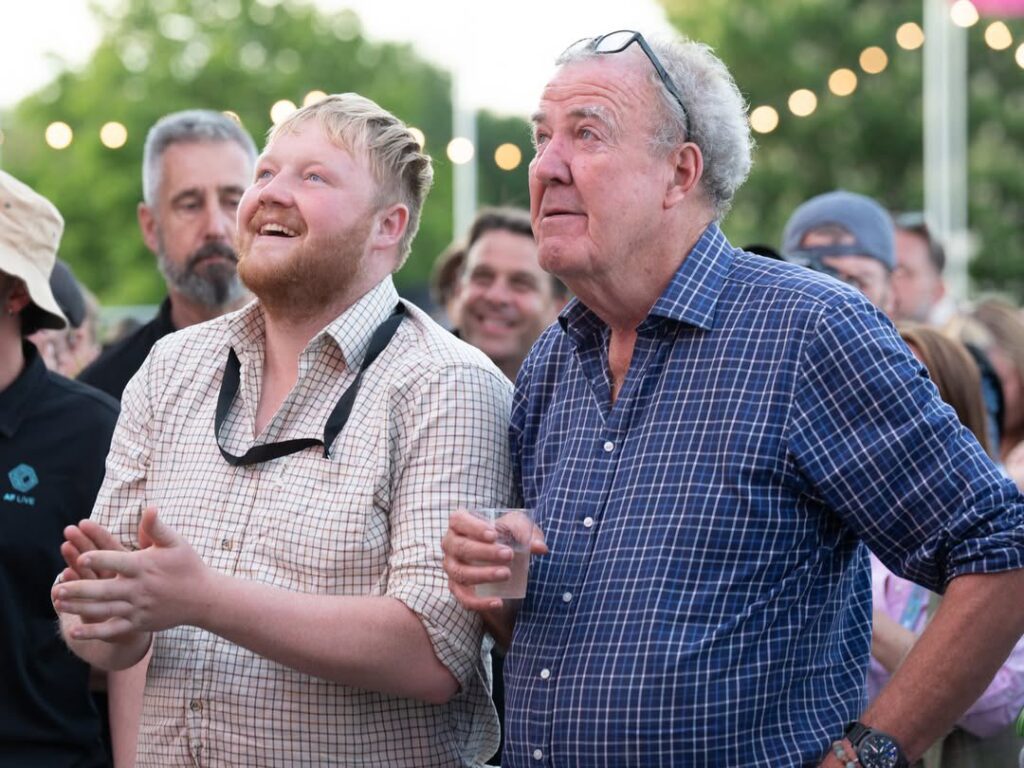
For fans of Clarkson’s Farm, Cooper’s story offers a deeper understanding of the young farmer they see on screen. His confidence around livestock, machinery and business did not come from television exposure. It was built through years of early starts, small enterprises, mistakes and practical pressure.
His rise also highlights a wider point about farming as a route into responsibility for young people. In Cooper’s case, the land gave him structure during a period when his home life was changing. It offered work, income, independence and a sense of belonging.
Today, Kaleb Cooper is best known as the farming expert who often guides Jeremy Clarkson through the realities of agricultural life. But behind the humour and on-screen confidence is a story of a teenager who found stability in hard work, built his first company from three chickens and learned some of his most important lessons long before cameras arrived at the farm.