‘Rachel Reeves has ruined all farmers’: Jeremy Clarkson leads the wave of outrage over the Labour Party’s tax on agricultural inheritance.
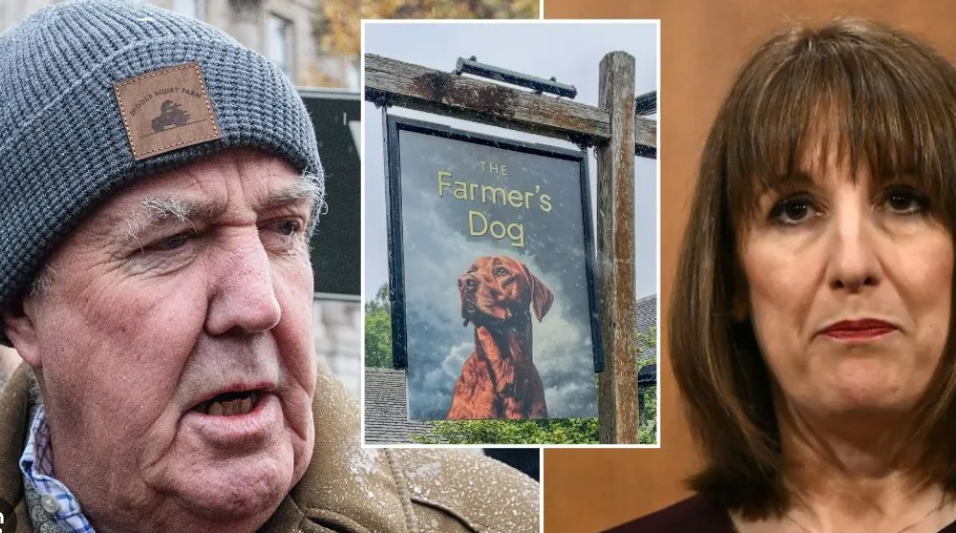 Jeremy Clarkson has added his voice to a growing rural backlash after Chancellor Rachel Reeves announced major changes to agricultural inheritance tax rules, a move that critics say could place family farms under severe financial pressure from 2026.
The changes, announced in the Budget, mean that from April 2026 inheritance tax will apply to agricultural and business assets worth more than £1 million. The effective rate will be 20 per cent on qualifying assets above that threshold. For the Government, the policy is presented as a reform that still protects smaller family farms. For many farmers, campaigners, and rural business groups, however, the change has landed as a deeply worrying blow to the future of British agriculture.

Clarkson, who owns Diddly Squat Farm in Oxfordshire and has become one of the most prominent public voices for farmers through Clarkson’s Farm, reacted strongly to the announcement. In a message to farmers, he said they had been badly treated by the policy and urged them not to lose hope. His intervention quickly gained attention because his farming series has helped bring the financial and emotional realities of rural life to a mainstream audience.
The controversy centres on Agricultural Property Relief and Business Property Relief, which have historically allowed farms and certain rural businesses to be passed down through families with reduced or no inheritance tax liability. Supporters of the reliefs argue that farms often appear asset-rich because of land values, while remaining cash-poor in daily operations. A farm may be worth millions on paper, but its annual profit can be modest, unpredictable, and heavily affected by weather, machinery costs, feed prices, fuel, labour, and market conditions
 .
.
That is why many farmers fear the new policy could force families to sell land simply to meet tax bills. For multi-generational farms, the concern is not only financial but cultural. Farms are often built over decades, sometimes centuries, with each generation maintaining land, livestock, buildings, and business relationships. Losing part of the farm to pay tax could make the remaining operation less viable.
Industry figures responded with alarm. Farming representatives warned that the £1 million threshold may sound generous to urban voters but does not reflect modern land prices. In many parts of Britain, even a relatively modest working farm can easily exceed that value once land, buildings, equipment, and business assets are included. Critics argue that the policy risks catching precisely the family farms ministers say they want to protect.

The National Farmers’ Union warned that the change could damage confidence at a time when farmers are already facing rising costs and uncertainty. Rural groups also suggested that the policy could reduce the ability of younger generations to continue producing British food. If farms have to be broken up or sold, campaigners say the long-term result could be fewer family-run operations and more land moving into the hands of larger businesses or non-farming investors.
Rachel Reeves has defended the Government’s approach, saying that many claims will remain unaffected and that small family farms will continue to be protected. The Treasury’s argument is likely to focus on fairness, public finances, and the need to reform reliefs that some critics believe have been used by wealthy individuals as a way to shelter assets from inheritance tax.

That point is important because the debate is not simple. There is a political argument that agricultural relief should not become a loophole for people who buy farmland mainly for tax planning. But farmers argue that a policy designed to target wealthy investors may end up harming working agricultural families who rely on land as the foundation of their business.
Clarkson’s involvement gives the issue a much wider public profile. Before Clarkson’s Farm, debates about agricultural tax policy rarely dominated mainstream conversation. But the Prime Video series has changed the way many viewers see farming. Through Diddly Squat, audiences have watched Clarkson struggle with planning rules, poor weather, animal issues, low margins, rising costs, and the constant uncertainty of running a farm. The show has turned technical rural problems into stories viewers can understand emotionally.
That is why his comments matter. Clarkson is not only speaking as a celebrity landowner; he is speaking as someone whose programme has made rural policy feel personal to millions of viewers. His critics may argue that he is not representative of the average farmer, but his supporters believe he has used his platform to highlight problems that ordinary farmers have been discussing for years.
The backlash also arrives at a sensitive moment for British agriculture. Farmers are already dealing with higher input costs, changing subsidy systems, volatile food markets, labour shortages, and increasing environmental expectations. Many say that the inheritance tax change adds another layer of uncertainty when the industry needs stability.

From a political perspective, the issue could become a major problem for Labour in rural constituencies. MPs in farming areas are likely to face pressure from constituents who fear that the policy will alter the future of family farming. If rural anger grows, the Government may come under pressure to raise the threshold, introduce wider exemptions, or create special protections for actively farmed land.
The next stage of the debate will depend on how ministers respond to the concerns. If they insist that most family farms will be unaffected, they will need to provide clear evidence that reassures farmers. If campaigners continue to produce examples of ordinary farms facing large future tax bills, pressure for a policy rethink may grow.
For now, Clarkson’s message has become part of a much larger rural argument. At its heart is a question that reaches beyond politics: how should Britain protect the farms that produce its food while ensuring the tax system remains fair?
The answer will shape not only inheritance planning, but the future structure of British farming itself. And with Clarkson now firmly involved in the conversation, the issue is unlikely to disappear quietly.