THE GENIUS IN WELLIES: How a £2.3M Tax Disaster Handed Jeremy Clarkson the Ultimate Media Empire
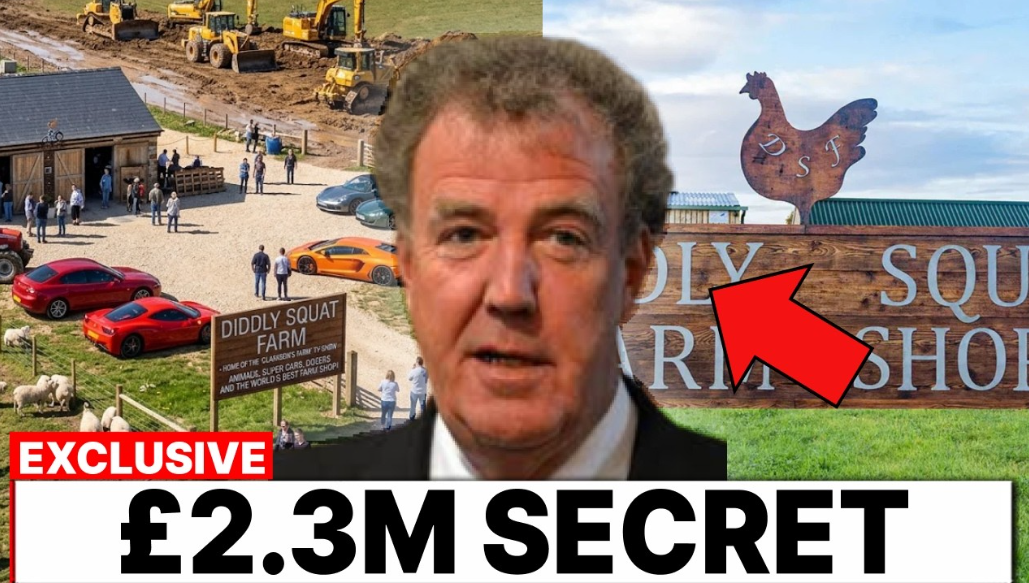
When Chancellor Rachel Reeves delivered the Autumn Budget in late 2024, critics gleefully declared the end of Jeremy Clarkson’s agricultural empire. Buried on page 47 of the technical notes was a clause capping Agricultural Property Relief (APR) at £1 million. For Clarkson, whose 1,000-acre Cotswold estate had swelled to a valuation of £12.5 million, the math was brutal: an instant £2.3 million inheritance tax bill.
Yet, as the dust settles, financial and media analysts are realizing something extraordinary. The budget did not destroy Clarkson’s empire; it handed him the most profitable storyline of his career, fueling a sophisticated multi-million-pound brand rebrand.
From Tax Dodger to Working-Class Hero
When Clarkson originally purchased the land in 2008 for £6 million, he openly admitted in The Times that the move was a legal strategy to dodge inheritance tax. For years, he was viewed as a wealthy celebrity exploiting rural loopholes.
The 2024 budget flipped the script. By striking down the full tax relief, the government inadvertently transformed Clarkson from a billionaire tax avoider into a victim of state overreach. Weeks later, clad in a waxed jacket, Clarkson stood in Whitehall leading 20,000 furious farmers in the biggest agricultural protest Britain had seen in decades.
“The critics are screaming about hypocrisy, but they are missing the entire point,” says one media strategist. “In the attention economy, Clarkson doesn’t need to be right—he needs to be relevant. The budget forced a rebrand from wealthy landowner to the defiant champion of British agriculture.”
Monetizing Subterranean Failure
While a traditional farmer relies entirely on crop yields to survive, Clarkson has engineered a revolutionary business model: vertically integrated content where agricultural failure is highly lucrative.
While his actual farming operation famously cleared just £144 in profit in its first year—suffering waterlogged barley, ruined potatoes, and pigeon infestations—the television docuseries detailing those disasters netting him an estimated £10 million to £12 million annually from Amazon Prime.
This massive ecosystem ensures the inheritance tax is effectively a rounding error. Furthermore, when the government quietly raised the transferable cap to £2.5 million per spouse in late 2025, Clarkson’s projected tax liability plummeted from £2.3 million to roughly £1.4 million—a sum easily covered by a fraction of his brewery’s growth.
The Real 2026 Cliffhanger
As the tax debate cools, a far more dangerous threat looms over Diddly Squat. In April 2026, the temporary planning permissions allowing the lucrative farm shop, café, and car park are set to expire.
West Oxfordshire District Council has previously fought Clarkson tooth and nail, shutting down his restaurant and citing traffic chaos. With the farm shop clearing £1.34 million and Hawkstone dominating retail spaces, local authorities argue Diddly Squat is no longer a farm, but a commercial tourist attraction wearing a tweed cap.
If the council refuses to renew the permits, the retail front collapses overnight. Yet, true to form, Clarkson has already weaponized the crisis. The looming deadline provides the exact dramatic tension required to anchor Series 5 and 6 of his hit show. By using his newfound political capital as the face of British farming, local councilors now face immense public backlash if they choose to shut down Britain’s most famous farm. Rachel Reeves tried to close a loophole; instead, she scripted a masterpiece.