THE PACIFIC MOSAIC: Josh Gates Tracks New Leads in the Enduring Amelia Earhart Mystery

Nearly nine decades after her twin-engine Lockheed Electra vanished without a trace over the vast expanses of the Pacific Ocean, the final chapters of Amelia Earhart’s historic 1937 circumnavigation attempt are being scrutinized once more. In a high-stakes, multi-nation investigation for the hit television docuseries Expedition Unknown, famed explorer and host Josh Gates has launched a sweeping new technical search along the aviator’s ill-fated flight path, systematically following a trail that has thoroughly baffled global historians, search-and-rescue experts, and maritime archaeologists for generations.
The investigation sees Gates retracing the final, desperate legs of Earhart and navigator Fred Noonan’s journey across the Pacific theater. Operating on isolated equatorial atolls characterized by unforgiving coral reefs and volatile weather systems, the expedition is approaching the legendary aviation mystery through a dual lens of rigorous scientific methodology and forensic historical analysis.
Sifting Through a Vast Oceanic Mosaic
Rather than relying on a single, definitive piece of evidence, the Expedition Unknown team is constructing a complex analytical mosaic from decades of conflicting reports and fragments of physical data. Gates and his team are re-examining the primary variables of the 1937 disappearance: anomalous post-loss radio distress signals, catastrophic navigational calculations, archival search logs, and controversial skeletal remains recovered from remote islands in the decades following the incident.
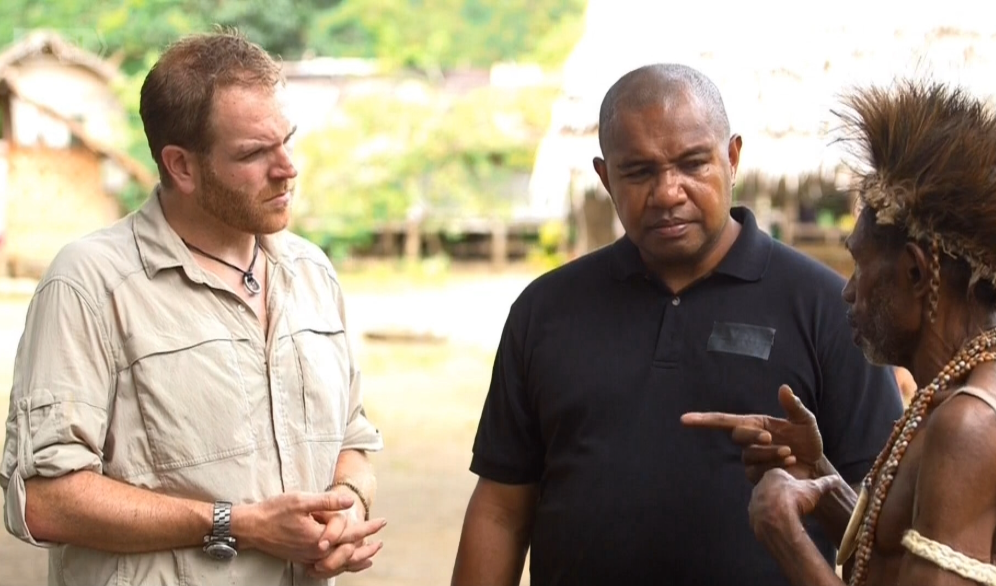
Crucial to the new phase of the investigation are extensive, on-site interviews with specialized researchers and marine forensic scientists who have dedicated their entire professional careers to analyzing micro-fragments of aluminum aircraft skin. These metallurgical pieces, discovered on various remote island perimeters, have long been suspected of belonging to Earhart’s modified Electra 10E.
The Pacific Ocean, however, remains notoriously vast and indifferent to modern inquiry. The investigation actively grapples with the historical layers of the region, where World War II military wreckage frequently cross-contaminates search zones, severely complicating the identification of pre-war civilian aircraft components.
Honoring an Aviation Pioneer
For Gates, the renewed push into the Pacific is not merely an industrial hunt for sunken aluminum and rusted machinery, but a systematic effort to reconstruct a vanished moment in global history. At the time of her disappearance, Earhart was far more than an ambitious commercial pilot; she stood as a transformative international icon of human capability and female empowerment during an era when the aviation industry was rapidly redefining global transport. To definitively uncover the precise coordinates of her final descent is viewed by the expedition as the ultimate tribute to that pioneering spirit.
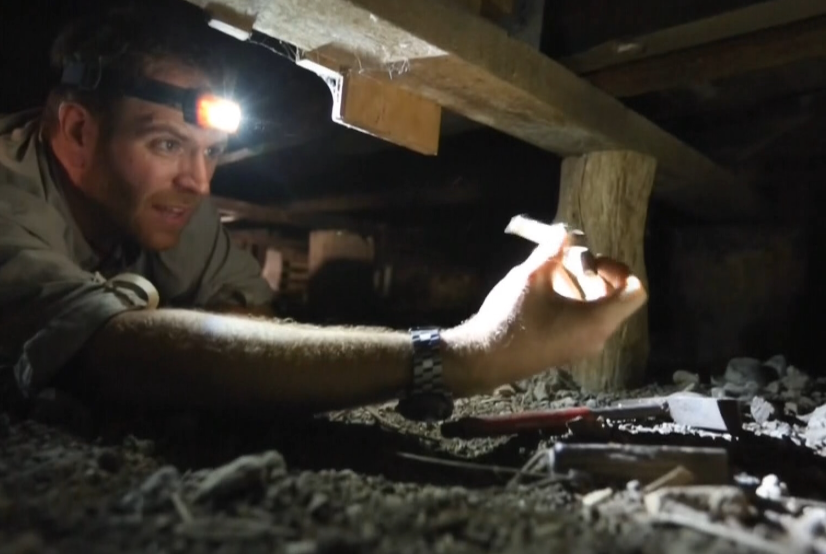
As the team utilizes modern sonar technology and deep-water submersibles to scan the submerged shelves of critical Pacific atolls, the underlying philosophy of the search has shifted. Historians embedded with the crew emphasize that the ultimate resolution to the Earhart mystery will likely not arrive via a solitary, dramatic discovery. Instead, the truth remains scattered across thousands of miles of ocean floor and hidden in dusty colonial archives.
With every geographic anomaly mapped and every archival record cross-referenced, the historical narrative of Amelia Earhart continues to evolve. While the horizon she confidently chased in 1937 continues to guard its secrets tightly, this latest industrial effort ensures that the world will not stop looking for the coordinates where her final flight met the sea.