Unearthing the Lost City of the Apostles: Josh Gates and the Discovery of Bethsaida
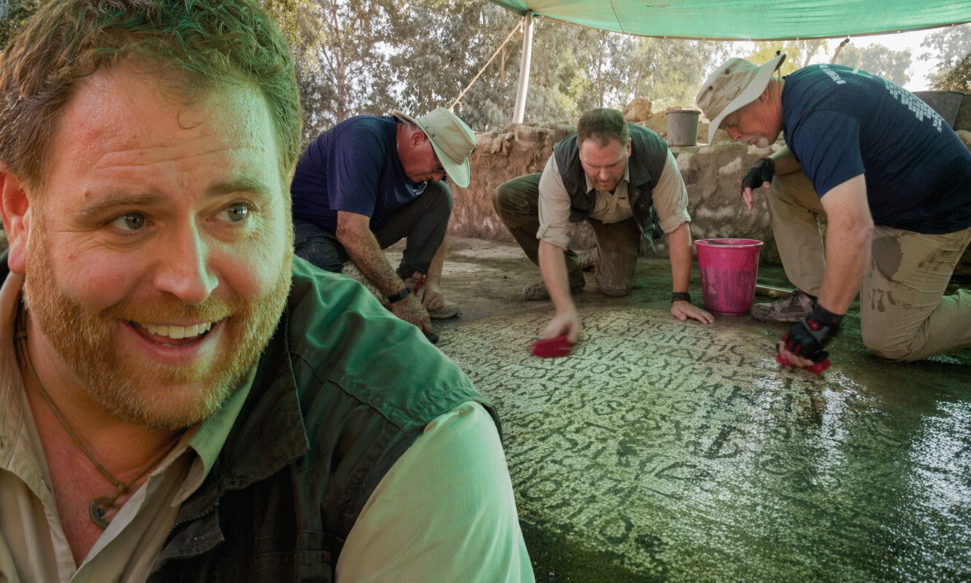
The shores of the Sea of Galilee have long held the secrets of biblical history. In a groundbreaking episode of Expedition Unknown, host Josh Gates joins a team of elite Israeli archaeologists at el-Araj to reveal what many now believe is the long-lost biblical town of Bethsaida—the home of Apostles Peter, Andrew, and Philip.
The Mystery of the Sunken City
For centuries, the exact location of Bethsaida remained one of the greatest mysteries in biblical archaeology. While several sites were proposed, none provided the definitive proof required to link them to the New Testament accounts. The primary challenge has been the shifting landscape of the Sea of Galilee; over two millennia, tectonic activity and fluctuating water levels have buried ancient ruins deep beneath layers of silt and mud.
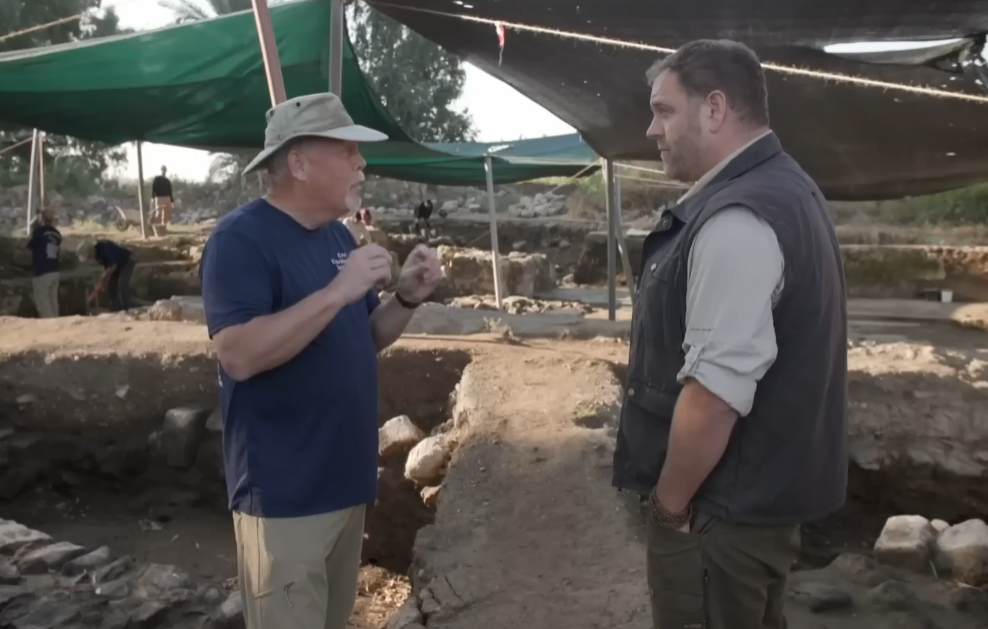
Josh Gates traveled to el-Araj, a site situated on the northern shore of the lake. Guided by Professor R. Steven Notley and archaeologist Mordechai Aviam, Gates dove into an active excavation that is rewriting history books. Unlike other candidates for Bethsaida, el-Araj offers a unique geological and archaeological profile that aligns perfectly with ancient descriptions of the fishing village.
A Church Built on a Foundation of Faith
The most significant discovery at el-Araj is a massive Byzantine-era structure known as the “Church of the Apostles.” According to 8th-century Christian pilgrims, a church was built over the original house of Peter and Andrew to commemorate their birthplace.
Gates assisted the team in uncovering stunning, well-preserved mosaic floors. These mosaics aren’t just decorative; they serve as a historical roadmap. The presence of such an ornate and grand church in what was once a humble fishing village suggests that the site held immense religious importance. As the team carefully brushed away centuries of dirt, intricate geometric patterns and floral motifs emerged, glistening under the Israeli sun.
The “Smoking Gun”: The Inscription of Peter
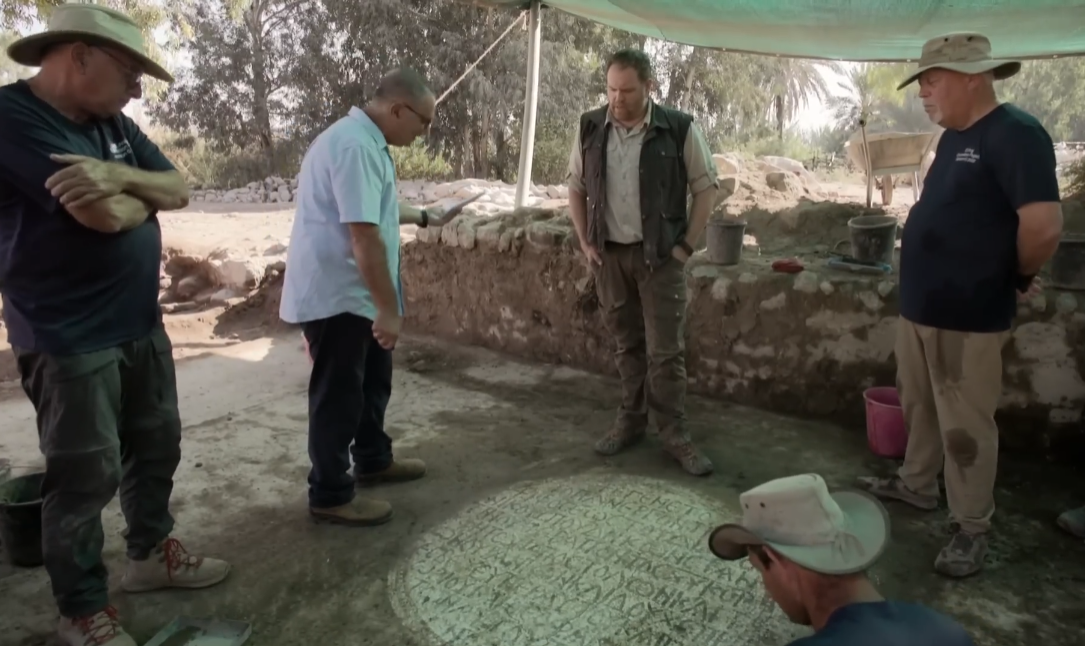
While the church itself was a monumental find, the team was searching for a “smoking gun”—physical evidence explicitly linking the site to the Apostle Peter. In a moment of high-stakes archaeology, Gates stood by as the team focused on a specific circular mosaic inscription located in the church’s diaconicon (sacristy).
As water was poured over the stones to clarify the ancient Greek letters, the significance became clear. The inscription refers to a donor and mentions the “Chief and Commander of the Heavenly Apostles.” In the Byzantine tradition, this specific title was used exclusively to refer to Saint Peter.
“This is it,” Professor Notley remarked as the letters were translated. “This is the physical link between the tradition and the archaeology.” For the first time, researchers have found an inscription within a church at Bethsaida that directly invokes the name of the man who lived there two thousand years ago.
From Fishing Village to Roman City
The archaeology at el-Araj also reveals the town’s evolution. Beneath the Byzantine church, the team discovered Roman-era remains, including a bathhouse and residential structures. This confirms that the site was not just a small village but had grown into the Roman city of Julias, as described by the historian Josephus.
The transition from a 1st-century fishing village—where Jesus performed the miracle of the feeding of the five thousand—to a Roman city, and eventually a Byzantine pilgrimage site, is now visible in the strata of el-Araj.
Conclusion: A New Chapter in Biblical History
Josh Gates’ expedition to el-Araj provides a compelling case that the mystery of Bethsaida has finally been solved. The combination of historical texts, Roman urban remains, and the definitive Byzantine inscription dedicated to Peter creates a powerful narrative of faith and discovery.
As the sun set over the Sea of Galilee, Gates reflected on the magnitude of the find. “We aren’t just looking at old stones,” he noted. “We are walking through the actual streets where the foundations of a global faith were laid.” With more of the site yet to be excavated, el-Araj promises to remain at the forefront of archaeological discovery for years to come.