A Flooded Cut, a Broken Deal, and a Surprising Win: What Really Happened Behind the Scenes in the Klondike This Week?
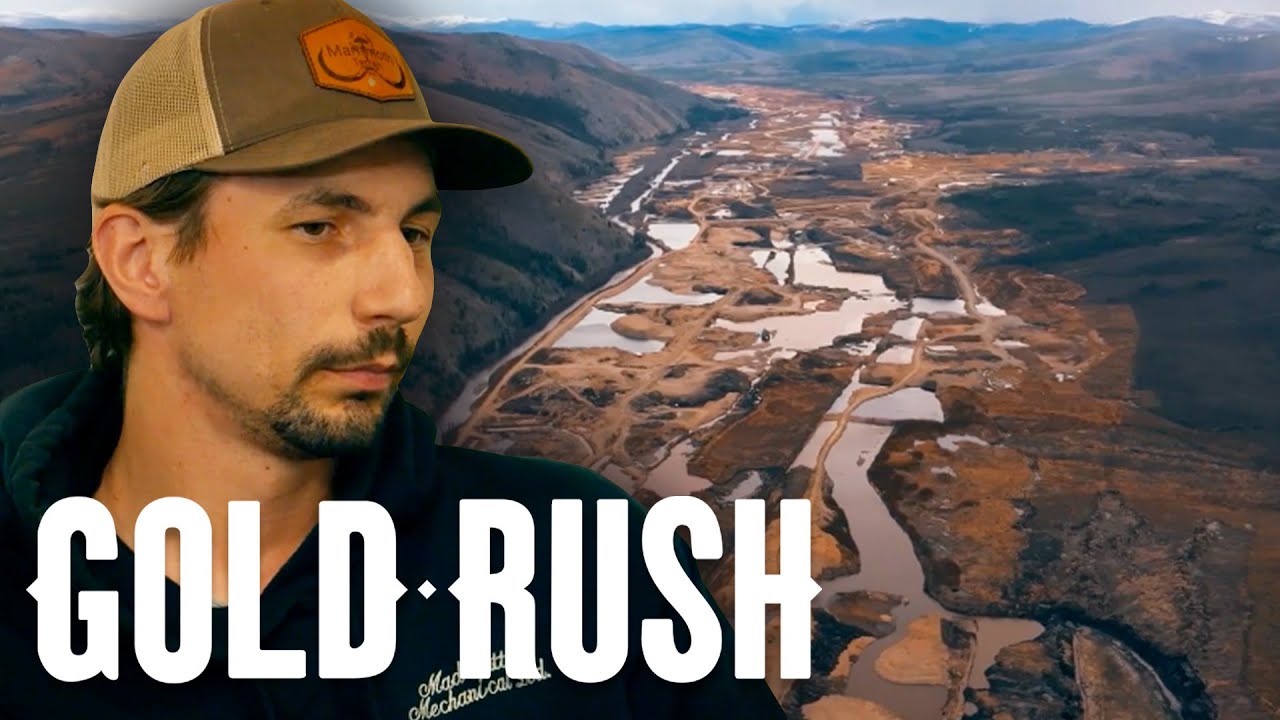
As Gold Rush Season 16 pushes deeper into the mining year, the Yukon is testing every crew with unforgiving terrain, unpredictable conditions, and high-pressure decisions that could reshape the remainder of the season. From urgent infrastructure repairs to a tense land negotiation and rare moments of triumph at the wash plants, this week’s developments highlight just how demanding large-scale mining becomes when timelines tighten and expectations rise.
For Parker Schnabel’s crew, the crisis arrived with the arrival of spring melt—a force capable of halting production in minutes. Tyson received a call that no mine boss wants to hear: the Bridge Cut was flooding. Melt water had filled the drainage ditches and overwhelmed the single 8-inch culvert beneath the only road feeding Wash Plant Bob. If the ditches continued to overflow, access to pay dirt would be cut off and Bob would be forced to shut down.
Mike, operating nearby, responded immediately. His inspection revealed the issue clearly: the water volume simply exceeded the culvert’s capacity. The only solution was to dig up the access road and replace the narrow pipe with a much larger 36-inch culvert. It was a risky operation—removing the only road to the plant while the cut sat inches from being submerged—but the crew had no alternative.
What followed was one of the most decisive moments of the week. Working quickly with controlled precision, Mike removed the roadbed, tore out the old culvert, and installed the enormous replacement pipe while the rest of the crew monitored the water level. Any failure would have caused the cut to fill and forced a full shutdown. But within just over an hour, a surge of melt water began moving freely through the new culvert. The cut drained, Bob kept running, and Tyson praised Mike’s quick, effective solution. “He executed it perfectly,” Tyson said. “Now we can keep the gold coming in.”
Across the valley, Tony Beets’ operation faced a different challenge. Another rock truck had toppled at the Early Bird Cut—an expensive and frustrating setback. Experienced driver Mason admitted it was his first rollover, the result of soft ground giving way beneath the heavy machine. Tony handled the recovery with calm efficiency, using the excavator to empty the box and flip the truck upright. “Hopefully they learn something,” Tony remarked, maintaining focus on getting his team back to work. Mason returned to the haul road, shaken but determined. Incidents like these are reminders of how unforgiving the cut can be, especially when crews push to hit demanding production goals.
Meanwhile, the season’s most consequential conversation unfolded between Rick Ness and Lightning Creek landowner Troy Taylor. Rick, already under pressure after relocating his entire crew to new ground, requested a face-to-face meeting to discuss the lease agreement. He believed the proposed terms granted Troy too much control over mining plans and equipment—conditions Rick felt he could not accept.
Troy defended the strict contract by pointing to modern water-license requirements and the heavy penalties landowners face if miners fall out of compliance. Rick countered that he needed more operational independence to build a viable season.
Unable to agree, Rick made a bold offer: purchasing the entire 1,600-acre property outright. Troy considered the proposal but set a steep requirement—300 ounces of gold to complete the transfer. After a long pause, Rick agreed, confident in his crew’s ability to deliver. The deal was sealed, and Rick walked away as the new owner of the land. “I’m not sure what I just did,” he admitted, “but I think I came out on top.” Ownership offers freedom, but it also means the success of Lightning Creek now rests entirely on his shoulders.
While negotiations and repairs dominated much of the episode, the wash plants ultimately delivered encouraging results for both major operations.
At Tony’s Early Bird Cut, the cleanout totaled 142.14 ounces—solid, but short of the pace required to reach his ambitious 6,500-ounce season goal. Tony acknowledged the distance still ahead but remained confident that the extension of the cut would reveal stronger ground as they advance.
Parker’s team, however, delivered one of their most balanced and productive weeks yet. The Golden Mile rewarded his efforts with a 152-ounce cleanout, a significant increase from the previous week. More impressively, Wash Plant Bob produced 156.2 ounces, placing the two plants within just four ounces of each other—an exceptional level of consistency. Together, the plants provided 308.2 ounces for the week, bringing the season total to 707.9 ounces and putting Tyson’s leadership in a strong position as the back half of the season begins.
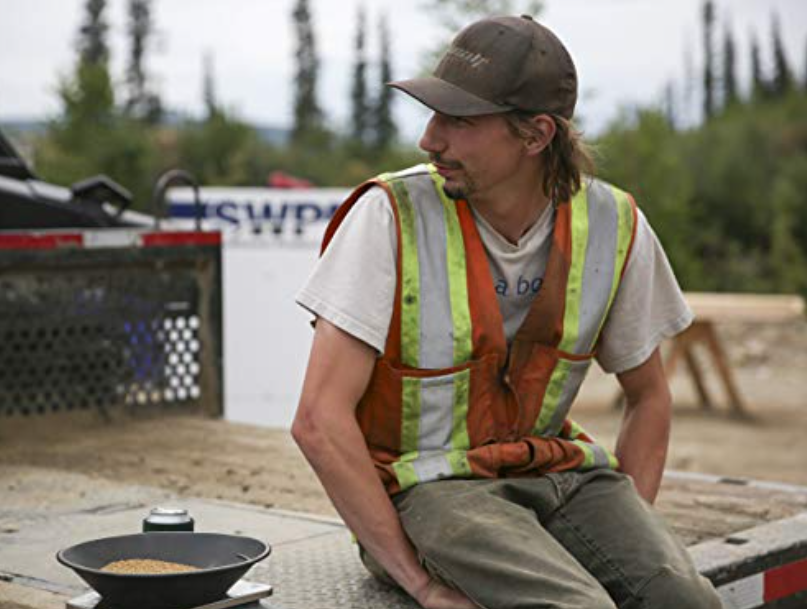
The renewed momentum across Parker’s site hints at a potential breakthrough year, especially if the Bridge Cut continues to produce as melt conditions stabilize.
As the season moves forward, every crew faces its own distinct test: Parker must maintain the production surge while protecting access to his cuts; Tony must accelerate output from his expanded ground; and Rick must turn Lightning Creek into a viable long-term operation worthy of the investment he has just made.
The gold is there, but so are the obstacles—and this season is proving that the smallest decisions can carry enormous consequences for every miner in the Yukon.