A Turning Point at Paradise Hill: What Tony Beets’ Close Call Could Mean for Gold Rush

From an analytical standpoint, incidents like the recent equipment rollover at Paradise Hill are not merely isolated accidents—they are inflection points. For viewers of Gold Rush, moments like these often reshape both on-screen narratives and real-world operational decisions. Tony Beets has long been portrayed as indestructible, a larger-than-life figure who treats risk as part of the job. Yet this latest incident forces a reassessment of where the season—and perhaps the Beets operation itself—is heading.
The circumstances were deceptively routine: a generator transfer, familiar terrain, and a man who has hauled heavier loads in worse conditions. But Paradise Hill, like much of the Klondike, has a way of punishing complacency. Frost-thaw cycles are among the most underestimated hazards in late-season mining, and this rollover illustrates precisely why. From a production perspective, it is the kind of event that inevitably becomes a narrative pivot rather than a footnote.
What stands out immediately is the proximity of Kevin Beets to the incident. Over the past several seasons, Kevin has been positioned as the operational backbone of the Beets empire—the one translating Tony’s instinct-driven leadership into something resembling modern site management. Watching his father narrowly avoid catastrophe at Paradise Hill may accelerate a shift that has been quietly building for years: a transfer of practical authority, if not symbolic control.
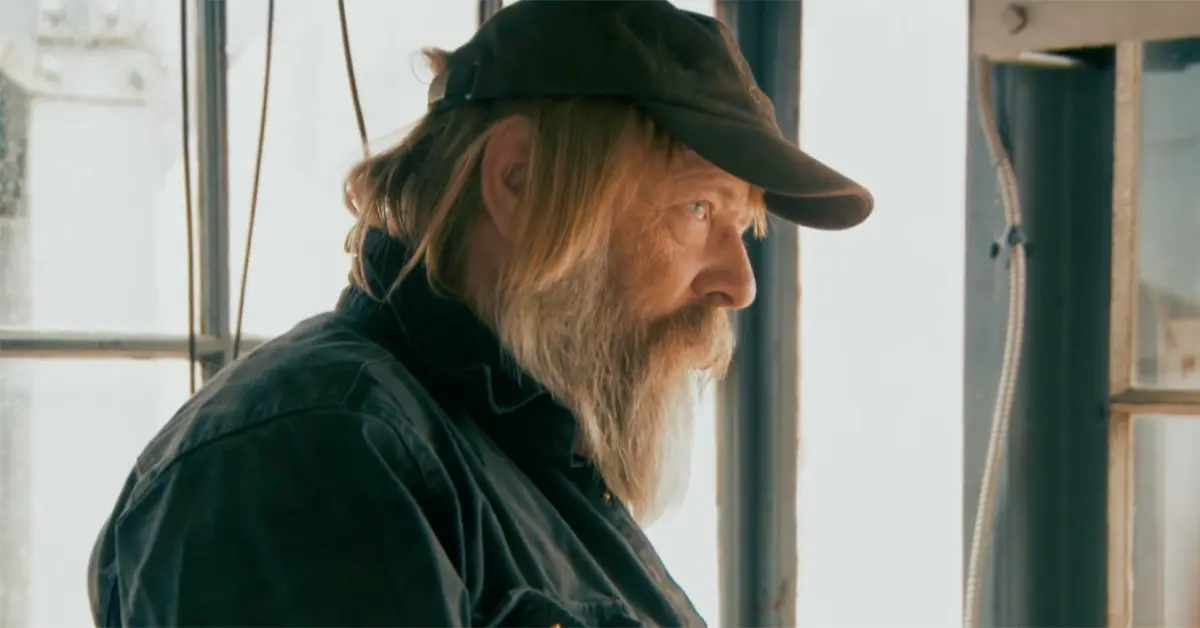
In Gold Rush terms, this is significant. The franchise thrives on generational tension—experience versus evolution. Kevin has already been shown taking on more supervisory responsibility, managing crews, and making calls Tony might once have dismissed. After this incident, it would not be surprising to see Kevin exert stronger influence over safety protocols, haulage decisions, and risk thresholds. The cameras will likely frame this as subtle friction rather than open conflict, but the implications are clear.
From a production analysis angle, Discovery has historically leaned into these moments to recalibrate character arcs. Tony Beets has been the embodiment of brute-force mining—push harder, pull heavier, move faster. A near-loss at Paradise Hill challenges that image without dismantling it. Instead, the show gains a new layer: vulnerability without weakness. Expect upcoming episodes to emphasize Tony’s physical resilience while quietly highlighting the costs of operating at the edge.
There is also the matter of operational delay. The temporary halt at Paradise Hill, combined with the logistics of recovering a 20-ton generator, creates real downstream consequences. Even a short pause compresses timelines later in the season, particularly as daylight shortens and weather volatility increases. As an analyst, this is where cause-and-effect becomes unavoidable: equipment incidents lead to scheduling pressure, which in turn leads to decision-making under strain.
This is where comparisons to other crews become inevitable. Parker Schnabel, for example, has increasingly prioritized infrastructure stability over aggressive expansion in recent seasons. His approach—front-loading road prep, drainage, and contingency planning—may not produce immediate spectacle, but it reduces precisely the kind of exposure seen at Paradise Hill. Viewers may not consciously track these contrasts, but editorial framing often nudges them in that direction.
Similarly, Rick Ness has experienced firsthand how quickly a season can unravel when equipment reliability and crew confidence falter. The Beets crew’s shaken response in the aftermath of the rollover is telling. Morale is not an abstract concept in mining; it directly affects productivity, communication, and error rates. Tony walking away largely intact prevents a deeper crisis, but the psychological aftershock should not be underestimated.
Looking ahead, several developments seem likely. First, expect a renewed emphasis on safety briefings and route assessments at Paradise Hill. Not because Tony has suddenly changed his philosophy, but because the margin for error has been visibly demonstrated. Second, editorial focus will likely shift toward Kevin as a stabilizing force—someone capable of questioning “how it’s always been done” without undermining the Beets legacy.

Third, from a season-arc perspective, this incident may serve as a narrative counterweight to strong gold totals elsewhere. When numbers are up, the show often introduces operational adversity to maintain tension. Paradise Hill now fills that role organically, without contrivance. The recovery effort, the financial impact, and the compressed timeline will all feed into that structure.
Finally, there is Tony Beets himself. Analysts and fans alike have speculated for years about when—if ever—he might step back from the most hazardous tasks. This event does not signal retirement, nor does it suggest retreat. But it does reinforce a reality that even the most seasoned operators cannot outmuscle geology, physics, or weather indefinitely. If anything, Tony returning to the dredge so quickly underscores his identity while simultaneously raising questions about sustainability.
In the broader context of Gold Rush, this was not just an accident. It was a moment that reframes leadership, highlights generational transition, and sets the stage for strategic recalibration. Paradise Hill will recover. The generator will be righted. Gold will move. But the ripple effects of that afternoon on the ridge are likely to shape the remainder of the season in ways that extend far beyond one overturned trailer.