A Turning Point in the Rivalry: Why Parker Schnabel Refused Tony Beets’ Big Offer
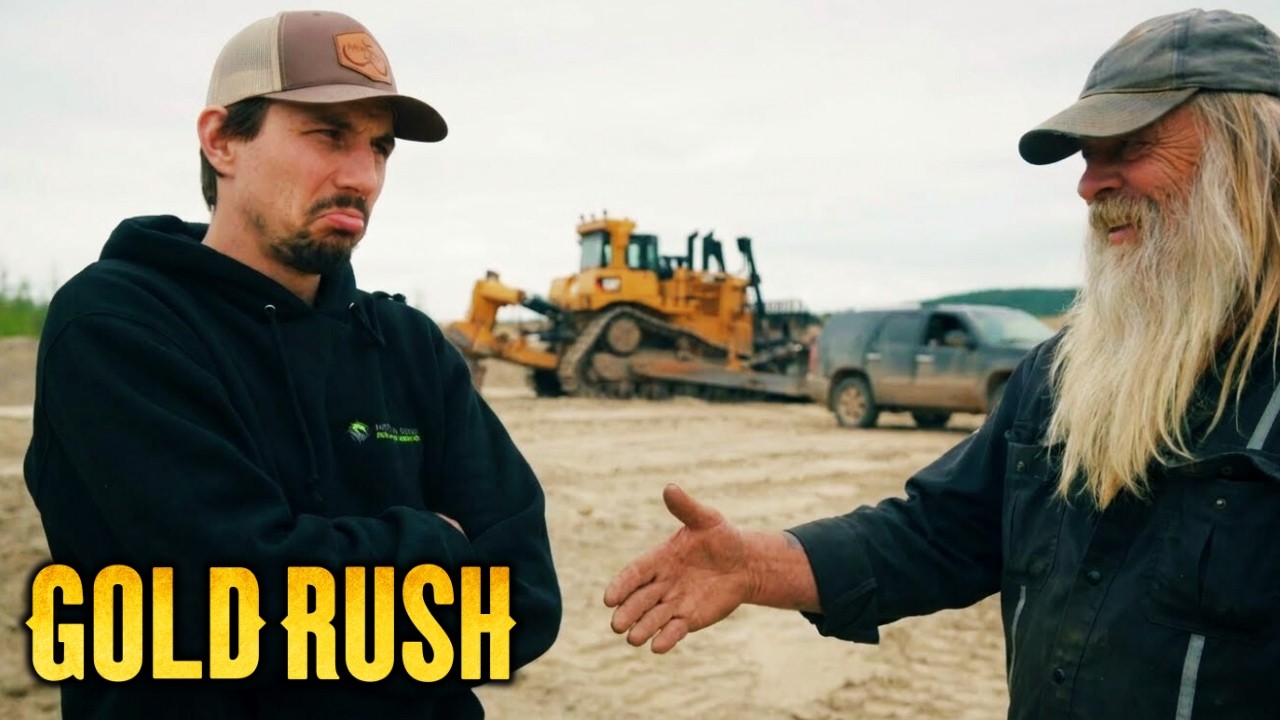
In a season already defined by aggressive strategies and rising tensions, nothing stirred the Gold Rush fanbase quite like the unexpected showdown between Tony Beets and Parker Schnabel over a million-dollar dozer. What began as a routine equipment inspection quickly escalated into a symbol of how dramatically the power dynamics of the Yukon have shifted. Two of the most influential miners on the show—one a veteran empire-builder, the other a relentless young mogul—met on a gravel lot for what would become one of the season’s most telling confrontations.
This latest chapter unfolded after Tony Beets, true to form, launched into the mining season ahead of nearly every competitor. While other crews were still hauling supplies north and setting up their camps, the Beets family had already started stripping ground at Indian River. The early lead paid off immediately, with steady gold production reaffirming Tony’s long-held belief that success in the Klondike depends as much on timing as tenacity.
But Tony also knew that an early lead can evaporate quickly without fresh firepower. Determined to maintain momentum, he set out to expand his fleet with additional trucks, a large excavator, and—most importantly—a D10 dozer capable of transforming his stripping capacity. When an early-morning email alerted him to a machine coming up for sale, Tony reacted the only way he knows how: fast and decisively. He brought mechanic Connor along and headed straight for the seller’s yard.
What neither man expected was the figure walking toward them across the gravel. The dozer’s potential seller was none other than Parker Schnabel.
From that moment, the tone shifted. This wasn’t a typical equipment transaction between strangers. This was a negotiation between two rivals whose competitive histories run deeper than the Yukon permafrost.

Parker greeted Tony with the cool confidence of a man who no longer needs anyone’s approval—not even from the legendary Beets patriarch who once towered over him both literally and professionally. Parker explained, cautiously, that he was considering selling the machine, but had not yet committed. The dozer still played a role in his own season planning; parting with it wasn’t an urgent necessity.
For Tony, hesitation was merely an invitation to start negotiating. He asked for a price, and Parker named a figure in the mid-teens—a valuation that reflected both the machine’s capability and the seller’s lack of desperation. Tony immediately disagreed. His counteroffer landed significantly lower, sparking a back-and-forth that played out like a chess match disguised as small talk.
Each man stuck to his guns. Parker argued from the perspective of condition, performance, and strategic utility. Tony argued from market reality, depreciation, and the opportunity cost of replacing the unit. But beneath the numbers was something deeper—a shifting rivalry between two miners who now meet on equal footing.
Years ago, such a negotiation would have looked very different. Tony, with decades of experience and a reputation built on ironclad deals, would have controlled the conversation. Parker, then still a young miner learning the industry’s nuances, would have approached with caution or even deference. But the Parker standing in front of him now was not that teenager. He was a multimillion-dollar operator with a thousand-ounce weekly cleanup under his belt and a fleet that rivals Tony’s.
Tony recognised it instantly. This was no longer a kid he could push into a corner.
The negotiation eventually reached an impasse. No handshake, no compromise, no deal. Tony walked away empty-handed—but not defeated. In his mind, business is business. Friendship does not dictate pricing, and emotion should never interfere with profit. If the deal wasn’t right, you move on. That philosophy built his empire, and nothing about that morning would change it.
Yet for many viewers, the moment held a deeper symbolism. After years of Parker leaning on Tony for advice, guidance, and even the occasional equipment assist, this reversal felt like a turning point. Parker denying Tony a machine he needed was, in a sense, the first time the student openly challenged the master.
Over the seasons, Tony has watched Parker’s transformation from a stubborn teenager into a strategic operator capable of competing—and sometimes outperforming—him. Although Tony rarely verbalises admiration, he recognises a worthy adversary when he sees one. And Parker, hardened by years of extreme weather, mechanical failures, and financial gambles, has become exactly that.
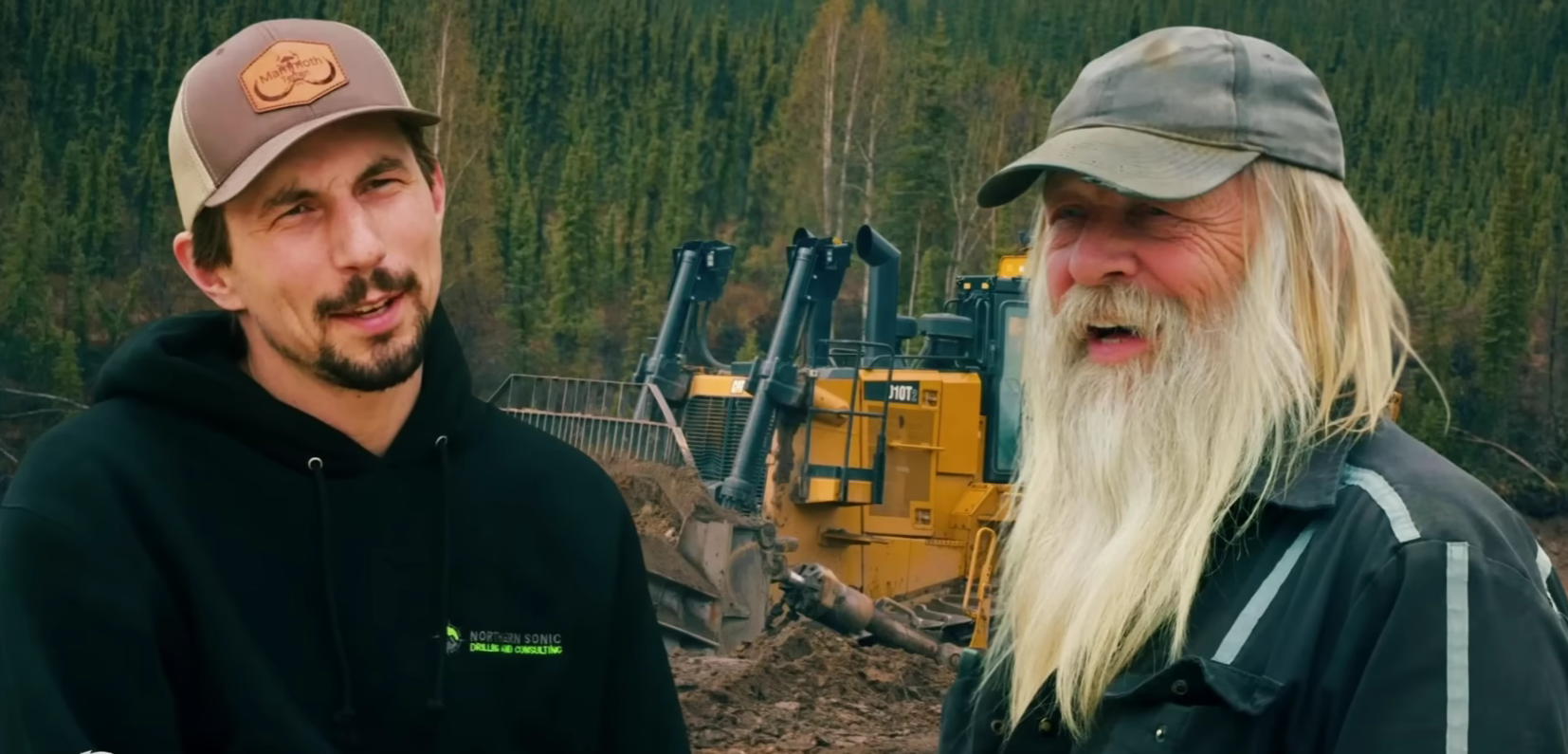
Their rivalry now defines the landscape of Gold Rush. It shapes strategy, influences equipment markets, and fuels some of the show’s most compelling storylines. Each season, they push each other to dig deeper, invest harder, and innovate faster. What began as a lopsided mentor-protégé dynamic has evolved into a clash of titans.
And this failed negotiation, small as it may seem, is a microcosm of the battle ahead.
Tony still needs more machines to maintain his season pace. Parker still evaluates every decision through the lens of long-term strategy. Both men are chasing dominance in a mining season that has already broken records and expectations.
But one thing is certain: if a simple dozer deal can ignite this much tension early in the season, the Yukon has far more fireworks in store.