Midseason Klondike: When Technical Mistakes Start to Pay the Price
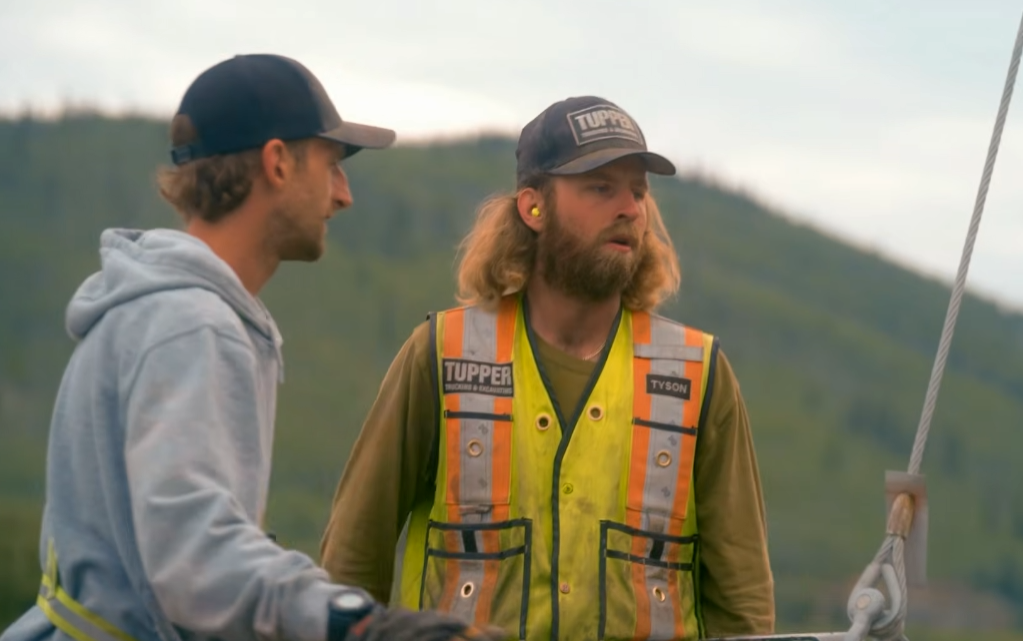
As the subarctic sun refuses to set, the pressure in the Klondike is reaching a boiling point. Halfway through the 2026 mining season, the region’s top operations are facing a shared crisis: a dwindling supply of veteran miners and a desperate reliance on “new blood” to keep the wash plants humming. From Parker Schnabel’s high-stakes Dominion Creek to Rick Ness’s sludge-filled pits, the difference between a record-breaking season and financial ruin now rests on the shoulders of rookies.
Dominion Creek: The High Cost of Attitude
At Parker Schnabel’s sprawling operation, the “wheels on the bus” are being held on by a thin margin. Despite banking over $18 million in gold so far this year, Schnabel has been plagued by a high turnover rate. The tension culminated this week in the firing of a veteran hand, Tav, whose “attitude” during a management dispute led to his immediate removal from the site.
“Working here is not easy,” Schnabel remarked. “We need good people we can count on.”
Stepping into the void is rookie India Greenhal, a loader operator with less than a month of mining experience. Tasked with feeding the “Wash Plant Bob,” Greenhal faced her first major test when a massive rock jam threatened to tear the conveyor belt. Though her frantic “Help” text message briefly panicked foreman Tyson Lee, Greenhal successfully shut down the plant before permanent damage occurred. The quick thinking paid off; Schnabel’s crew hauled in 505.4 ounces this week, bringing their staggering season total to 5,855.9 ounces.
Vegas Valley: A One-Ounce Teaser
Over at Vegas Valley, Rick Ness is battling a different kind of demon: a thick layer of industrial sludge that has brought his operation to a standstill. To reach the gold-rich “pay” dirt, mechanic Ryan Kent was forced to fabricate a custom 12-inch intake basket for the pumps—a “quick fix” designed to handle the debris-heavy water.
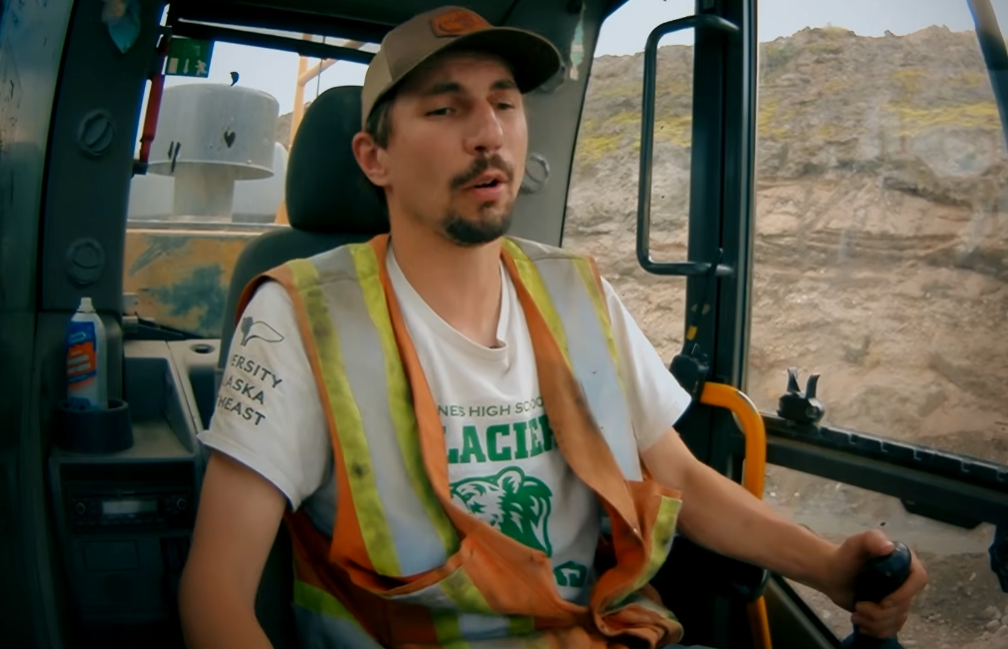
The engineering gamble worked, clearing the pit enough for a trial run. While Ness was only able to extract two truckloads before the pit became too dangerous to mine, the results were electrifying. The trial yielded exactly one ounce of gold.
“It doesn’t look like much, but that tells us there is a lot of gold down there,” Ness said. With a season total of 438.46 ounces, Ness now faces a gut-wrenching decision: spend weeks expanding the dangerous Vegas Valley pit or abandon the site for untested ground.
The Beets Dynasty: A 24/7 Turnaround
Perhaps the most significant momentum shift belongs to Kevin Beets. After a rocky start to the year characterized by the loss of key veterans, Beets has transitioned to the new 7-acre “Sphinx Cut.”
The operation has moved to a grueling 24/7 schedule, relying on new hires like Taven to handle the night shifts. Taven proved his worth during his first ten hours on the job, successfully clearing a “humongous” rock blockage using the plant’s grizzly bars. The relentless pace has yielded Beets’s best weigh-in of the season: 250.245 ounces over a two-week period. Valued at roughly $876,000, the haul brings Beets’s season total to 583 ounces, crossing the $2 million mark.
Season Outlook

As the season enters its second half, the narrative in the Yukon is clear: the “old ways” are failing. Survival in the 2026 season requires a blend of rookie enthusiasm and aggressive mechanical improvisation. Whether these green crews can sustain the momentum through the grueling autumn freeze remains the multi-million dollar question.