New Ground Shows Signs of Gold, But a Surprising Update Changes Everything for Rick Ness

At a critical point in the latest season of Gold Rush, miner Rick Ness finds himself pulled between two competing priorities: a promising new cut at Lightning Creek and the long-awaited return to a proven gold-rich ground at Duncan Creek’s Vegas Valley. What unfolds is not just a logistical decision, but a test of leadership, timing, and financial pressure.
The scene begins with cautious optimism. At Lightning Creek, Rick’s crew identifies a new area dubbed the “boulder cut,” where large rocks embedded in the pay layer suggest the potential for significant gold deposits. The geological logic is sound. These heavy boulders, shaped by glacial movement more than 150,000 years ago, often signal gold settling zones where valuable material accumulates alongside dense rock formations.
There is visible excitement among the crew. Compared to earlier efforts, particularly the underperforming “diamond cut,” this new ground appears far more promising. The presence of coarse material and larger stones raises expectations that the wash plant could finally process more lucrative pay dirt.
However, the momentum is quickly disrupted by mechanical failure. The team’s 750 excavator—essential for feeding pay dirt into the plant—breaks down due to a damaged hydraulic hose. Without it, operations grind to a halt. In gold mining, downtime is more than an inconvenience; it directly translates into lost revenue.
A rapid on-site repair effort follows. Diagnosing the issue as a worn and leaking pilot hose, the crew works to replace the damaged component and restore hydraulic pressure. Once fixed, the excavator regains full functionality, capable of moving six-yard loads of pay dirt once again. The restart brings relief, but also underlines the fragility of mining operations, where even minor mechanical issues can derail progress.
With the plant back online, the team pushes forward. The results, while improved, remain modest. A weekly gold weigh-in yields 22.35 ounces, valued at approximately $78,000. It marks a threefold increase compared to previous weeks, but still falls short of what the crew believes is achievable.

Then comes a turning point.
Rick receives confirmation that his water license for Lower Duncan has been reinstated, with an extension granted until November 2025. This development changes everything. The Vegas Valley site, previously abandoned due to regulatory constraints, is once again accessible—and with it, a stockpile of pay dirt believed to contain substantial gold reserves.
Historically, Lower Duncan has been one of Rick’s most productive claims, delivering nearly 6,000 ounces over four years. Even more compelling is the existing pay pile left behind, estimated to hold over $1.4 million worth of gold. The opportunity is undeniable.
Yet the decision is far from straightforward.
Rick has financial obligations tied to Lightning Creek. In order to secure the claim, he owes landowner Troy a payment of 100 ounces of gold—roughly a quarter of a million dollars. Walking away prematurely is not an option. The current site, despite its inconsistencies, remains the only active source of gold income.
This creates a strategic dilemma.
On one hand, Vegas Valley offers higher potential returns and a clearer path toward the season’s ambitious 1,800-ounce target. On the other, transitioning operations requires time—time that could result in zero production during the setup phase. For a crew already under pressure, halting operations entirely carries significant risk.
Within the team, opinions begin to diverge. Some argue for an immediate shift to Vegas Valley, emphasizing the long-term gains and stronger gold prospects. Others advocate staying the course at Lightning Creek until the new site is fully operational, ensuring a steady, if limited, flow of gold.
Rick, caught in the middle, opts for a measured approach.
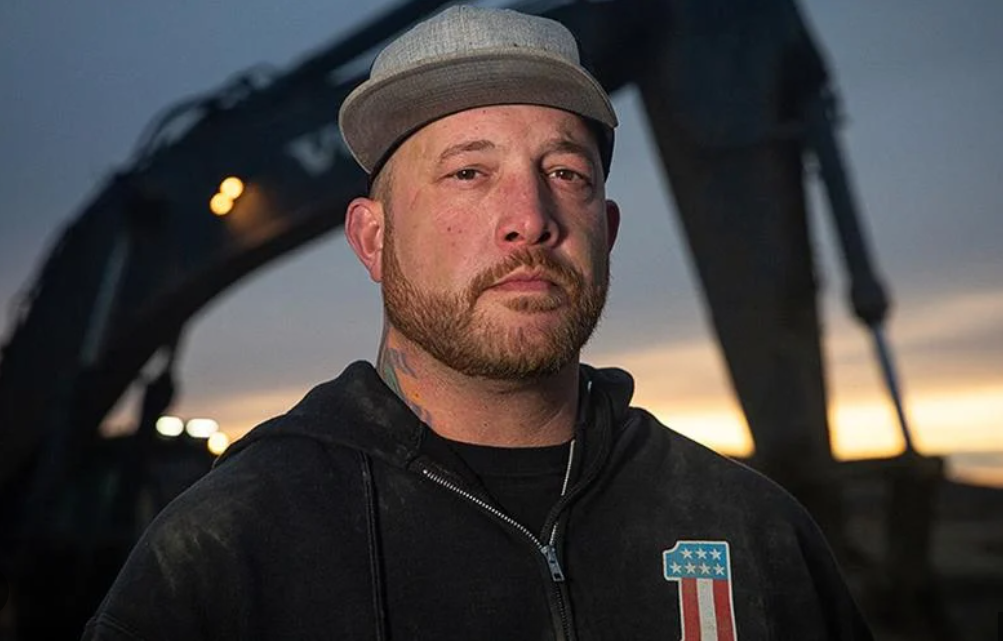
He acknowledges the importance of Vegas Valley but insists on maintaining production at Lightning Creek in the interim. The plan is to continue mining the boulder cut while preparations begin for a return to Duncan Creek. It is a balancing act—one that requires careful timing and coordination.
The decision reflects a broader reality in gold mining: success is rarely about a single breakthrough. Instead, it depends on managing risk, maintaining cash flow, and making calculated moves under pressure.
As the episode closes, the uncertainty remains. The improved gold weigh offers a glimpse of potential at Lightning Creek, but not enough to secure the season’s goals. Meanwhile, Vegas Valley looms as both an opportunity and a logistical challenge waiting to be tackled.
For Rick Ness and his crew, the path forward is clear in theory but complex in execution. The question is no longer whether Vegas Valley holds the gold—it is whether they can reach it in time without sacrificing everything they have built at Lightning Creek.
In a season defined by shifting fortunes and tough calls, this moment may ultimately determine whether Rick’s operation rises to meet its target or falls short under the weight of competing priorities.